Made to drawing or sample
Geometry, material condition, tolerances, threads, finish, and inspection points are reviewed for each custom part.

Custom CNC machining turns carbon steel and alloy steel into strong, durable components for machinery, vehicles, hydraulic equipment, industrial automation, energy systems, and demanding mechanical assemblies. We manufacture precision CNC steel parts to customer drawings, 3D models, or physical samples, covering CNC turning, CNC milling, 3-axis machining, 4-axis machining, 5-axis machining, drilling, reaming, threading, grinding, and coordinated heat treatment and surface finishing. Production can scale from one-off steel prototypes and replacement parts to low-volume orders and repeat batch production.
Geometry, material condition, tolerances, threads, finish, and inspection points are reviewed for each custom part.
Flexible routing supports prototypes, repair components, bridge quantities, small batches, and recurring production.
Rotational, prismatic, indexed, and complex steel components can be produced with fewer unnecessary setups.
Calipers, micrometers, gauges, 2D optical measurement, and CMM inspection are selected to suit the drawing.
Steel is often selected when a component must carry substantial load, resist impact or fatigue, maintain stiffness, accept heat treatment, or provide a wear-resistant working surface at a practical material cost. Grade selection should consider more than nominal strength: part size, stock condition, machining route, welding, heat treatment, distortion risk, surface treatment, operating temperature, corrosion exposure, and the required service life all influence the final result.
Carbon steel derives most of its strength and hardness behavior from carbon content. Low-carbon grades such as 1020 provide ductility, weldability, formability, and economical raw material. Medium-carbon grades such as 1045 offer greater strength, hardness, and wear resistance, with useful response to quenching, tempering, and induction hardening. Free-machining grades such as 1215 are chosen when fast cycle times, stable chips, and good turned finishes matter more than weldability or severe-impact performance.
Alloy steels contain elements such as chromium, molybdenum, nickel, or manganese to improve hardenability and mechanical performance. Grades such as 4140 and 5140 suit heavily loaded shafts, couplings, gears, spindles, and hydraulic components. Carburizing grade 8620 is especially useful when a component needs a hard, wear-resistant case with a comparatively tough core. Alloy condition must be specified clearly because annealed, normalized, quenched-and-tempered, prehardened, carburized, and nitrided material can machine and perform very differently.
A successful CNC steel part begins with the required function, not a familiar grade name. The following operating demands frequently point designers toward carbon steel or alloy steel.
Steel provides useful stiffness, tensile strength, yield strength, and fatigue capability for shafts, pins, structural blocks, fasteners, and drive components.
Carburizing, nitriding, induction hardening, and quench-and-temper routes can improve gear teeth, bearing seats, splines, cams, and sliding surfaces.
A suitable alloy and temper can combine hardness with core toughness, reducing brittle behavior in couplings, drive parts, tooling, and off-highway equipment.
With an appropriate process sequence, stress relief, heat treatment, and finish machining, steel can hold close bores, journals, shoulders, threads, and datum relationships.
Material condition can be tailored to hardness, case depth, tensile properties, wear, machinability, and final grinding requirements.
Common steel bar and plate grades combine broad supply with efficient turning and milling, supporting competitive custom-part costs at varied order quantities.
Many low-carbon grades work well in machined-and-welded assemblies. Higher-carbon and alloy grades need grade-specific preheat, filler, and post-weld planning.
Reverse engineering from a usable sample can support obsolete shafts, sleeves, pins, spacers, and equipment components when original drawings are unavailable.
These six grades cover economical general-purpose machining, medium-carbon mechanical parts, free-machining production work, high-strength alloy components, and case-hardened transmission parts. Listed characteristics are practical selection guidance rather than guaranteed properties; actual performance varies with specification, stock form, section size, heat-treatment condition, and test method.
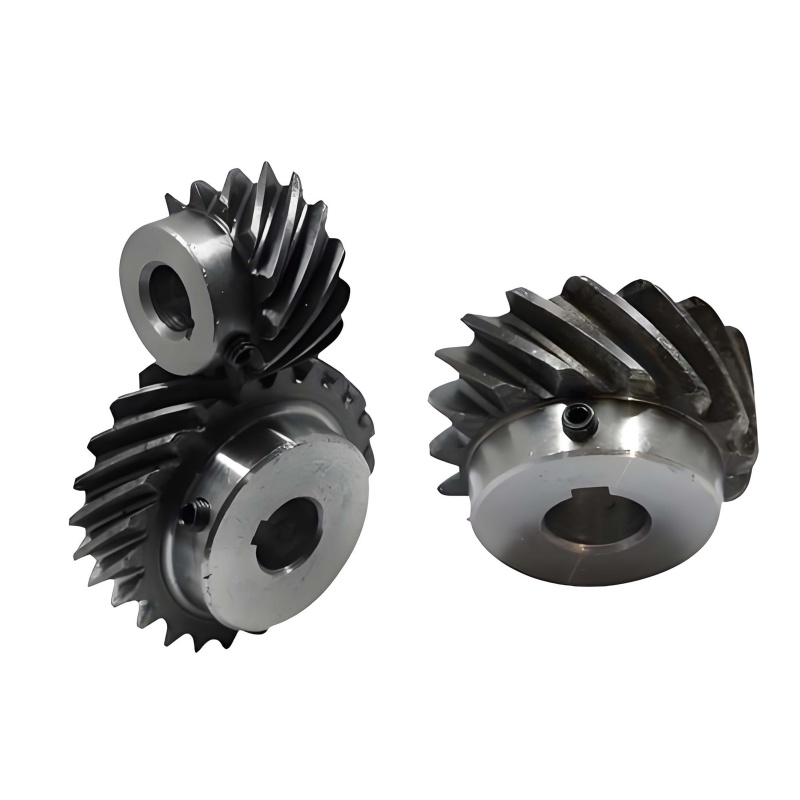
A versatile low-carbon steel selected for ductility, weldability, formability, moderate strength, and economical machinability. It is a useful base material when localized case hardening is preferred over high through-hardness.
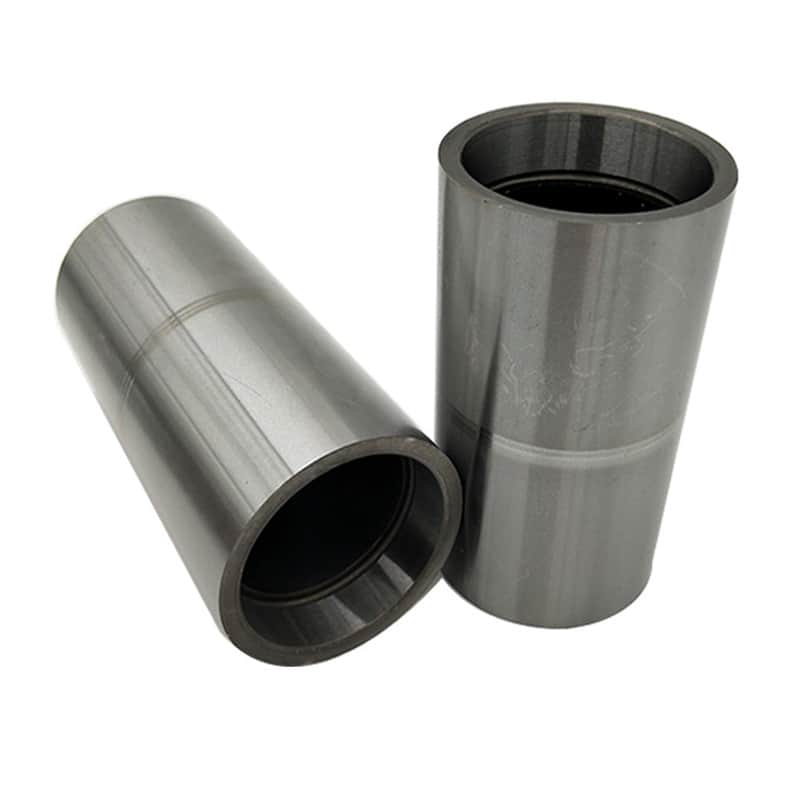
A widely used medium-carbon steel with a practical balance of strength, toughness, wear resistance, machinability, and raw-material cost. It responds to quenching and tempering and can be induction hardened on selected working surfaces.
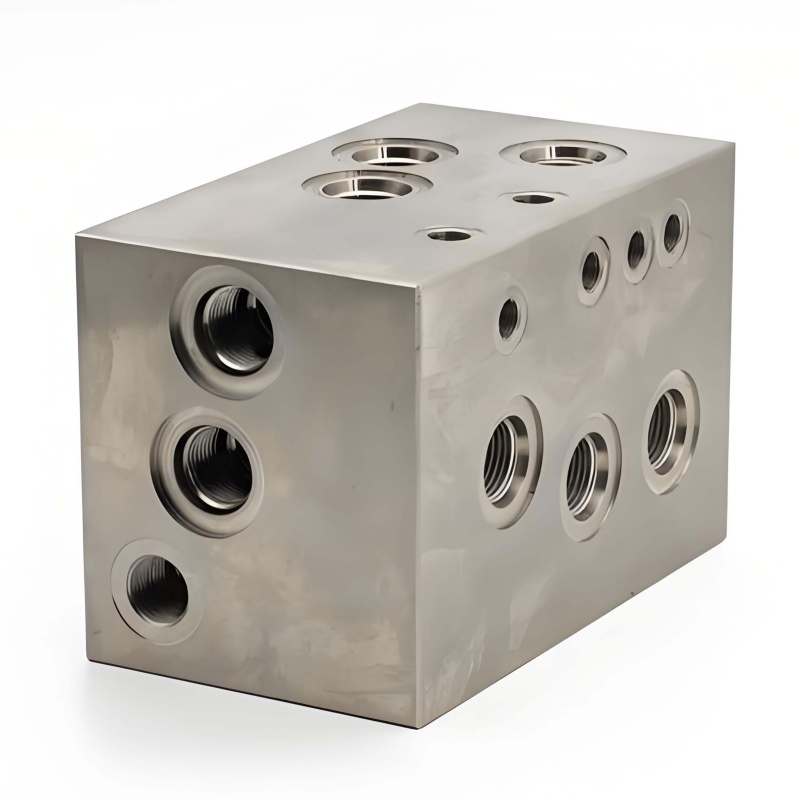
A strong and tough Cr-Mo steel used for loaded mechanical components. Its hardenability, fatigue performance, torsional strength, and response to quench-and-temper treatment make it a common upgrade from plain medium-carbon steel.
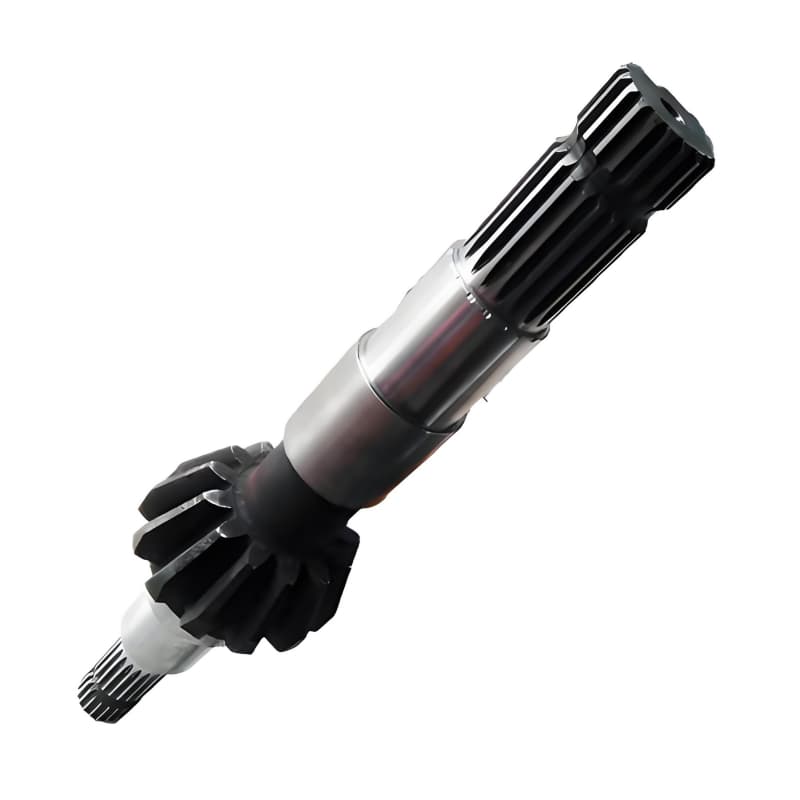
A low-carbon alloy steel engineered for carburized components. After a controlled case-hardening cycle, it can provide a hard, wear-resistant outer layer while retaining a tougher and more shock-resistant core.
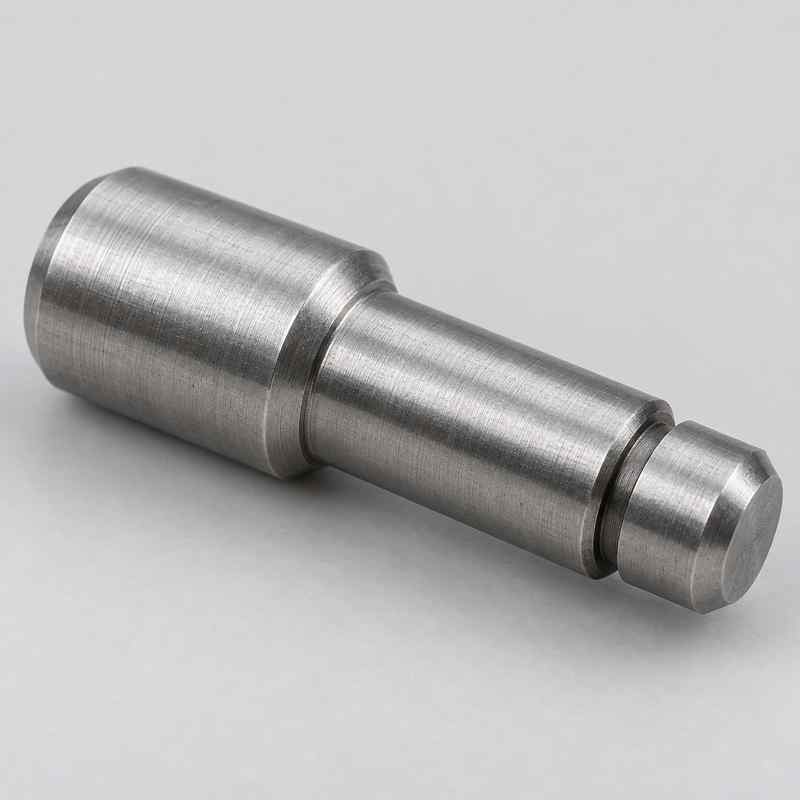
A resulfurized free-machining grade designed for efficient automatic turning, controlled chip formation, high cutting rates, and clean surface finishes. It is especially valuable for repeat quantities of small to medium turned components.
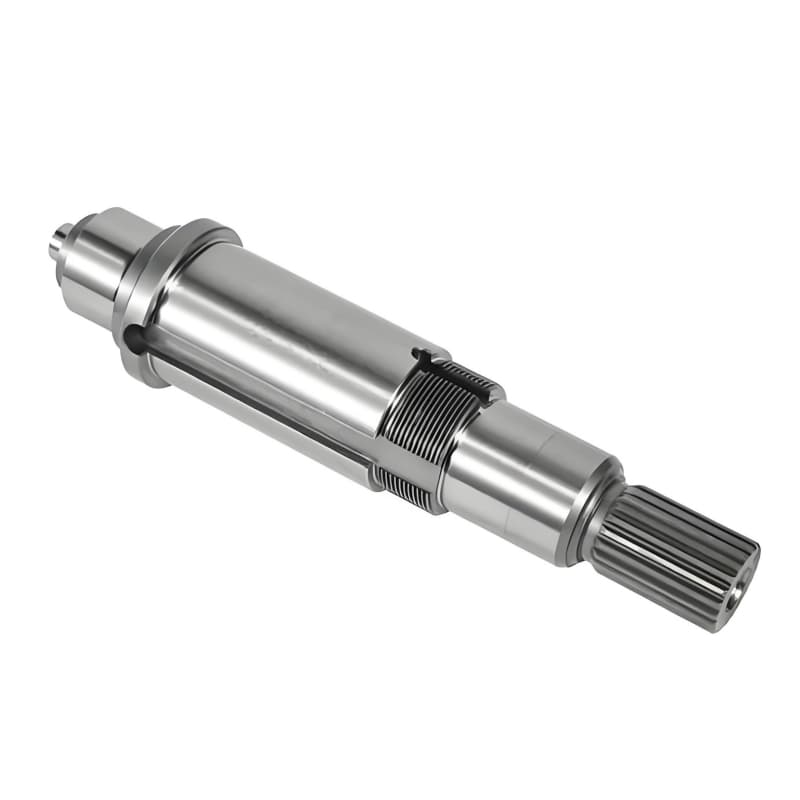
A medium-carbon chromium steel offering useful hardenability, strength, wear resistance, and fatigue capability. It is frequently considered for quenched-and-tempered or surface-hardened mechanical components.
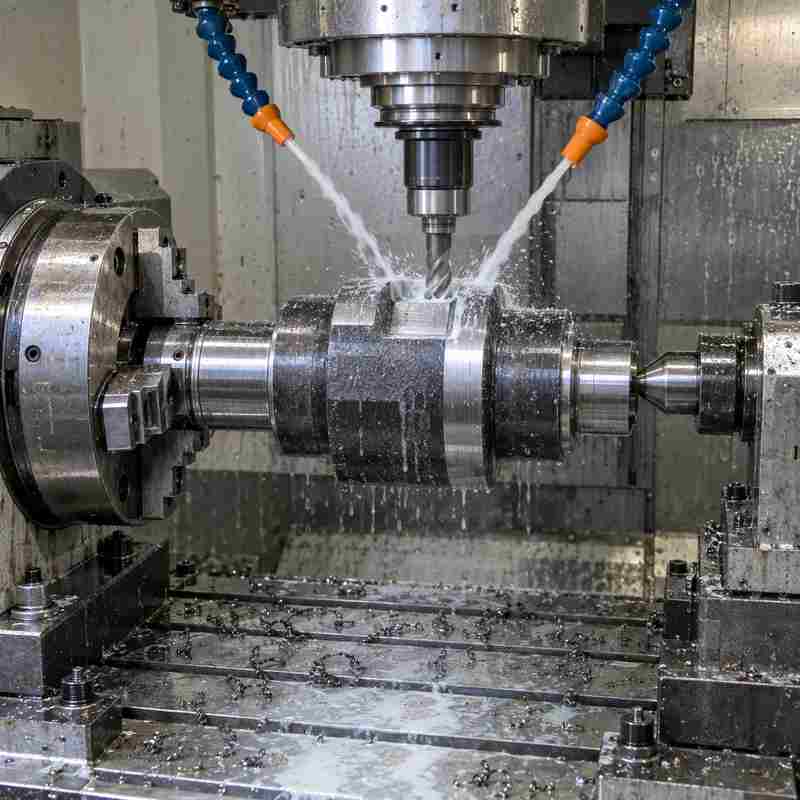
The machining route is selected around part geometry, tolerance relationships, material hardness, quantity, and finishing requirements. Combining operations and reducing setups can improve consistency between datums, holes, faces, diameters, and angled features.
Shafts, pins, sleeves, collars, bushings, threaded parts, tapered features, grooves, and concentric internal and external diameters.
Plates, blocks, brackets, pockets, faces, slots, hole patterns, keyways, counterbores, and general prismatic steel components.
Indexed machining around shafts and bodies, circumferential holes, flats, slots, splines, and multi-side features with improved datum continuity.
Complex contours, compound angles, deep access features, multi-face machining, and parts that benefit from fewer reclamping operations.
Drilling, boring, reaming, tapping, thread milling, single-point threading, countersinking, spot-facing, and custom thread features.
Surface and cylindrical grinding, honing, broaching, keyseating, wire EDM, deburring, heat treatment, coating, marking, and assembly support as specified.
Not every surface needs the same tolerance or roughness. A functional tolerance plan identifies locating datums, bearing fits, sealing faces, thread classes, gear or spline interfaces, and cosmetic areas. This helps concentrate precision where it affects assembly and service while avoiding unnecessary machining cost elsewhere.
| Feature or process | Practical capability target | Typical use | Engineering consideration |
|---|---|---|---|
| General CNC machined dimensions | Commonly ±0.05 mm where no tighter feature control is needed | Profiles, lengths, non-critical faces, pockets, and clearance features | Part size, wall thickness, hardness, and datum scheme influence achievable consistency. |
| Precision turned or milled features | Approximately ±0.01 to ±0.02 mm on reviewed critical features | Bearing seats, shoulders, accurately related faces, bores, and assembly locations | Tighter values require feature-by-feature review, suitable access, temperature control, and measurement planning. |
| Ground diameters and faces | Approximately ±0.005 mm may be possible on suitable geometry | Journals, seal areas, press fits, precision spacers, and hardened parts | Grinding stock, heat-treatment movement, center condition, and roundness requirements must be planned. |
| Reamed or finish-bored holes | Drawing-specified fit classes such as H7 can be evaluated | Locating dowels, bushings, bearings, pivots, and hydraulic assemblies | Hole depth, interrupted cuts, material hardness, and wall stability can affect size and cylindricity. |
| Standard as-machined surfaces | Often Ra 1.6 to 3.2 μm | General turned and milled functional surfaces | Tool path, feed, insert geometry, rigidity, and material condition determine the actual result. |
| Fine machining | Ra 0.8 to 1.6 μm on suitable accessible features | Improved bearing, sliding, sealing, or cosmetic areas | A fine finish alone does not define flatness, roundness, waviness, or sealing performance. |
| Grinding, honing, or polishing | Ra 0.2 to 0.8 μm, with lower values subject to process review | Hydraulic bores, seal surfaces, precision journals, gauges, and wear interfaces | State the measurement method, cutoff, direction of lay, and any coating or hardening sequence. |
| Geometric tolerances | Flatness, parallelism, position, runout, concentric relationships, and perpendicularity per drawing | Assemblies where feature relationships matter more than simple plus-or-minus size | Use functional datums and avoid conflicting or redundant controls. |
Untreated carbon and low-alloy steel can oxidize when exposed to moisture. A suitable surface treatment may provide corrosion protection, lower friction, increase wear resistance, improve appearance, prepare a paint base, or create a hardened working layer. Coating thickness, masking, edge condition, thread allowance, hydrogen-embrittlement risk, treatment temperature, and post-treatment inspection should be considered during machining—not after the part is finished.
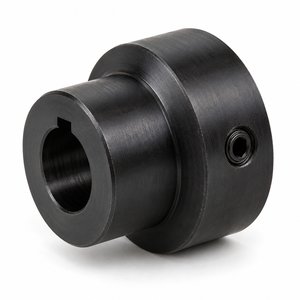
A thin conversion finish that creates a dark appearance with minimal dimensional change. Oil or wax is normally used to improve mild corrosion protection. It is common for tooling, fixtures, fasteners, gears, shafts, and indoor mechanical components.
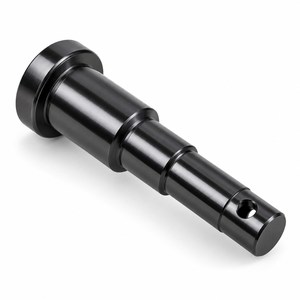
Diamond-like carbon coatings can provide low friction, high surface hardness, and strong wear performance for sliding or reciprocating parts. Substrate hardness, coating family, deposition temperature, edge geometry, and mating material require application-specific review.
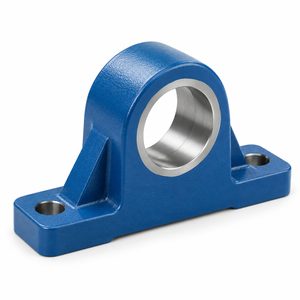
A durable decorative coating available in many colors and textures. It suits guards, brackets, frames, housings, and exposed equipment parts. Precision bores, ground faces, electrical contacts, threads, and assembly datums normally need masking.
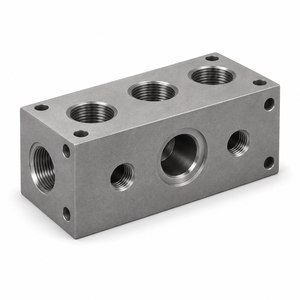
Blasting removes scale, evens appearance, and prepares steel for paint or powder coating. It is a surface-preparation process rather than corrosion protection by itself. Media, pressure, masking, edge rounding, and surface roughness should match the drawing.
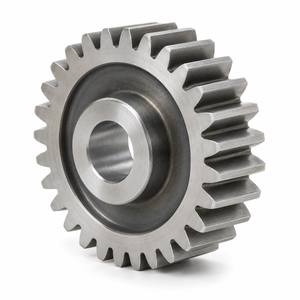
Selected areas such as journals, teeth, splines, or wear tracks are heated and quenched to create a hard surface with a tougher core. Grade, target hardness, hardened depth, transition zone, distortion, and post-hardening grinding allowance must be specified.
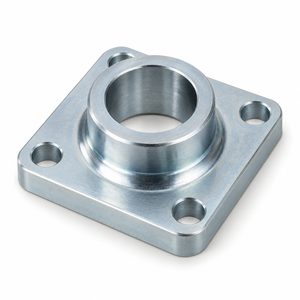
Zinc provides sacrificial corrosion protection and is widely used for fasteners, brackets, fittings, turned parts, and general industrial components. Specify coating type, color, thickness, passivation, masking, thread allowance, and any hydrogen-relief requirement for high-strength steel.
The same nominal steel grade can deliver very different service behavior after heat treatment or coating. Functional requirements should define the process, with sample approval or testing added where appearance and performance are sensitive.
Provides comparatively uniform coverage over complex geometry and can improve corrosion and wear resistance. Build-up on precision fits and threads must be included in dimensional planning.
Zinc or manganese phosphate can support oil retention, running-in behavior, corrosion protection, or paint adhesion on gears, fasteners, tools, and mechanical parts.
Diffuses carbon, or carbon and nitrogen, into the surface before hardening. It is used for gears, pins, cams, and 8620 parts requiring a wear-resistant case with a tougher core.
Creates a hard, wear-resistant surface at a lower process temperature than many quench-hardening routes. Suitable alloy chemistry and pre-treatment condition are important for the intended result.
Adjusts the strength, hardness, and toughness of grades such as 1045, 4140, and 5140. Section size, tempering temperature, distortion, and finish-machining sequence require planning.
Can improve wear, sliding behavior, and rebuild worn diameters on suitable parts. Grinding may follow plating to achieve final size and surface finish.
Offers flexible colors and coating systems for large housings, weldments, covers, and machinery components. Surface preparation and primer selection influence adhesion and durability.
Temporary rust-preventive oils, vapor-phase protection, and suitable packaging help protect uncoated machined steel during storage and international transport.
Custom CNC steel parts are checked at stages appropriate to the drawing and manufacturing sequence. First-piece verification helps confirm setup and offsets; in-process measurement controls tool wear and critical dimensions; final inspection verifies completed features after machining, heat treatment, grinding, or coating as applicable.
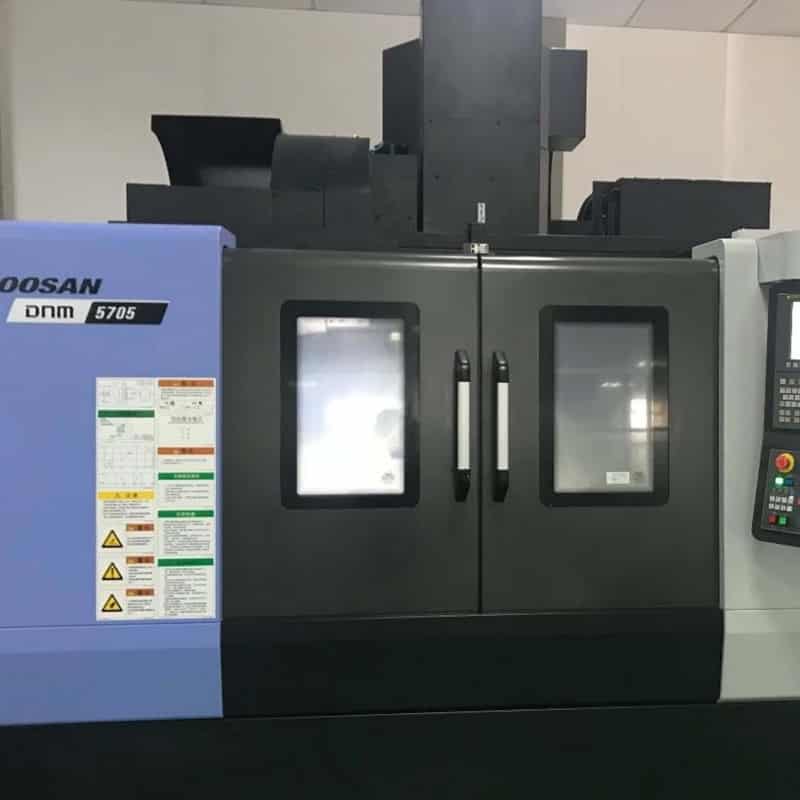
Workholding, datum selection, cutter access, stock allowance, and setup sequence are planned around pockets, contours, faces, slots, bores, and positional relationships.
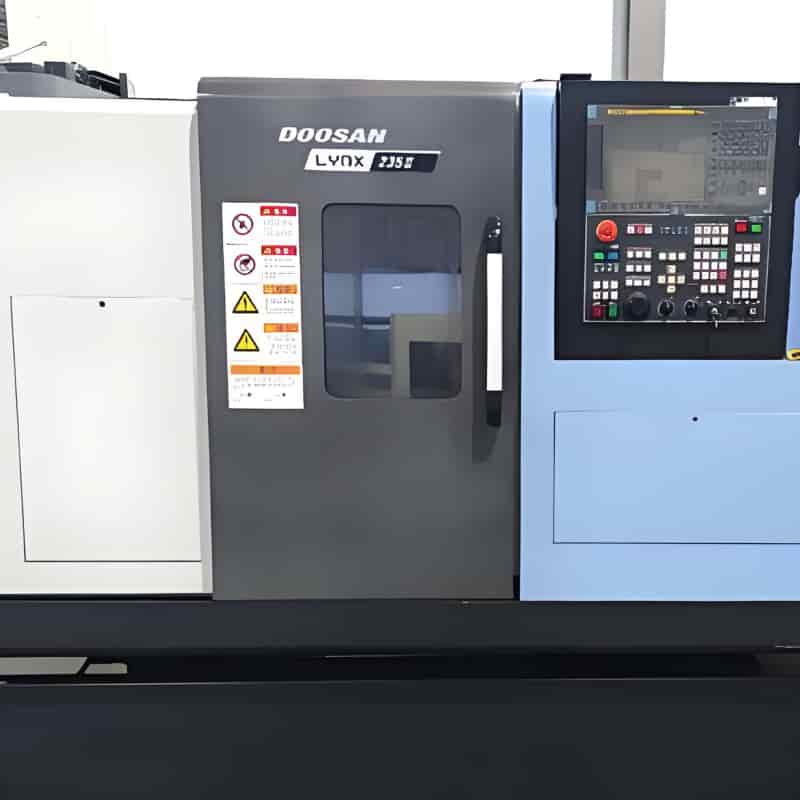
Turning processes control concentric diameters, faces, shoulders, grooves, tapers, bores, and threads for shafts, pins, bushings, fittings, sleeves, and other round steel parts.
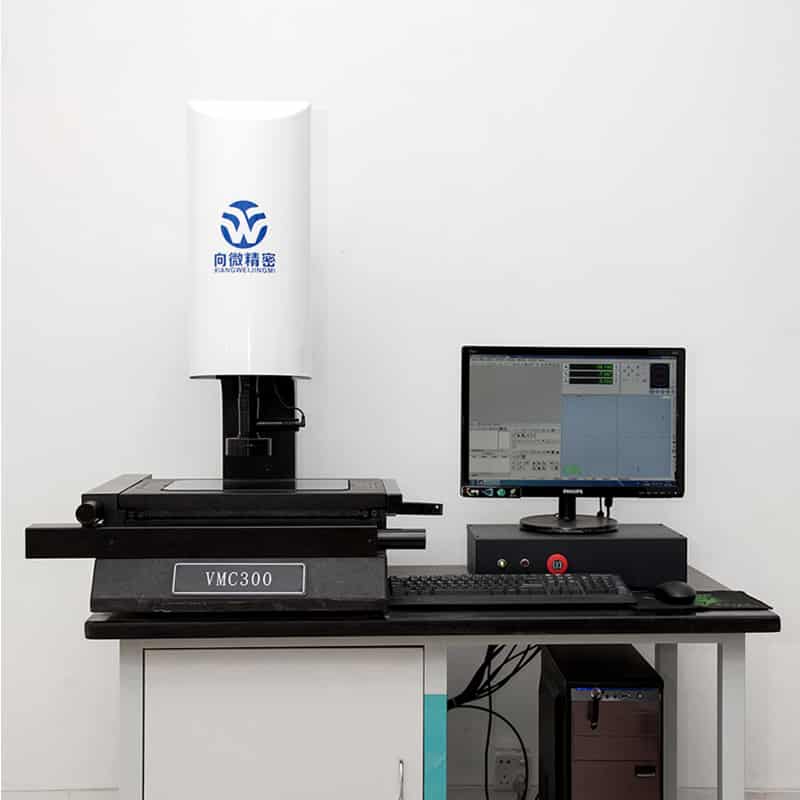
Optical measurement is useful for profiles, radii, angles, edge geometry, small features, and dimensions that are difficult to check reliably with direct-contact hand instruments.
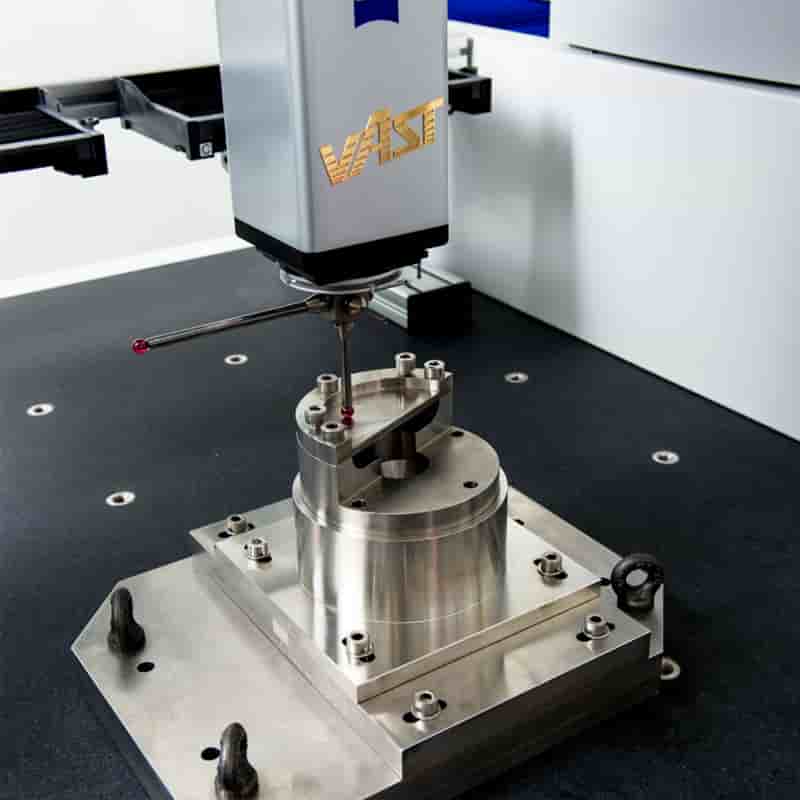
CMM inspection supports complex datum structures, true position, profiles, angles, feature relationships, and repeatable dimensional reporting for selected drawing characteristics.
Grade, stock form, condition, size, and project-specific documentation requirements are confirmed before machining begins.
Critical dimensions and setup relationships are checked before the production quantity proceeds.
Tool wear, offsets, bores, diameters, lengths, and other control features are monitored at planned intervals.
Completed parts are checked against the drawing with measurement equipment selected for feature size, tolerance, and geometry.
A defined process helps expose missing specifications before production and connects material, machining, heat treatment, surface finishing, and inspection into one practical route.
2D drawings, 3D models, samples, quantity, application, tolerance, and delivery priorities are assessed.
Steel grade, governing standard, stock form, hardness condition, and required heat treatment are clarified.
Machining access, datum structure, tool reach, wall stability, radii, threads, and inspection feasibility are evaluated.
Turning, milling, multi-axis work, grinding, EDM, fixtures, stock allowance, and operation sequence are defined.
Programs, tools, offsets, workholding, coolant, cutting data, and in-process control points are prepared for production.
Specified hardening, stress relief, blasting, plating, coating, polishing, or marking is sequenced with finish machining.
Dimensions, geometry, threads, finish, appearance, and agreed inspection records are completed against the drawing.
Parts are cleaned, protected against corrosion and contact damage, separated where needed, and packed for shipment.
Tooling, programming, inspection frequency, and workholding are adjusted to the order stage. A prototype may prioritize speed and design learning, while a recurring production part benefits from dedicated fixtures, stable tool-life control, documented setup logic, and packaging suited to repeated shipments.
Replacement shafts, repair parts, obsolete components, validation pieces, and special tooling manufactured from drawings or usable samples.
Functional steel prototypes used to evaluate fit, motion, assembly, load paths, heat treatment, finishing, and design changes.
Small batches for specialist machinery, product launches, aftermarket demand, equipment upgrades, and bridge production.
Production routing, fixtures, tool monitoring, sampling plans, and packaging can be standardized for stable recurring requirements.
Carbon steel machining and alloy steel machining serve applications ranging from simple locating hardware to heat-treated power-transmission parts. The best process depends on load, motion, accuracy, wear, environmental exposure, service access, and cost target.
Stepped shafts, eccentric shafts, drive shafts, bearing journals, motor shafts, keyed shafts, and threaded spindles for rotating equipment.
Gear blanks, pinions, sprockets, splined components, hubs, couplings, and drive adapters for industrial and vehicle power transmission.
Valve blocks, valve stems, pistons, gland parts, fittings, manifolds, sleeves, pump components, and pressure-system hardware.
Mounting plates, brackets, frames, guide parts, tooling blocks, fixtures, locators, robotic interfaces, and assembly equipment components.
Transmission elements, steering parts, suspension hardware, drivetrain components, pivots, pins, bushings, and special vehicle fittings.
Wear pins, rollers, link parts, hubs, drive components, bearing housings, clevis parts, and rugged replacement components.
Couplings, flanges, shaft parts, valve components, supports, fasteners, and custom machined hardware for equipment assemblies.
Jigs, nests, mandrels, clamping parts, wear plates, guide bushings, gauge components, die details, and production tooling.
These answers address common sourcing questions about custom CNC machining steel components, material choice, accuracy, production volume, and finishing.
Yes. A complete 2D drawing and 3D model are the best starting point. The drawing should control material, tolerances, threads, geometric requirements, heat treatment, coating, and inspection. A physical sample can also support reverse engineering when a usable drawing is unavailable.
One-off parts and prototypes can be produced, subject to material availability, geometry, process feasibility, and setup requirements. The same service can scale into small batches and repeat production after the design and process are confirmed.
Carbon steel properties are driven mainly by carbon and processing condition, while alloy steels use elements such as chromium, molybdenum, or nickel to improve hardenability, strength, toughness, fatigue, or wear behavior. Alloy steel can require lower cutting speeds and more deliberate tool and heat-treatment planning.
1020 can suit lightly loaded, welded, or case-hardened shafts; 1045 is common for general mechanical shafts; 4140 and 5140 can support greater strength and fatigue demands; and 8620 is useful for carburized spline or gear shafts. Diameter, loading, heat treatment, welding, and surface requirements determine the final choice.
1215 is frequently selected for productive turning, chip control, and good surface finish on fittings, pins, spacers, inserts, and screw-machine components. It should not be substituted where welding, severe impact, or high toughness is a major design requirement.
Yes, depending on hardness and geometry. A typical route may include soft machining, heat treatment, and then grinding, hard turning, honing, EDM, or limited hard milling on critical features. Sufficient finishing stock and distortion allowance must be planned before heat treatment.
General turning and milling often produce approximately Ra 1.6 to 3.2 μm, while fine machining can improve suitable features. Grinding, honing, or polishing may reach approximately Ra 0.2 to 0.8 μm or lower after review. Geometry, hardness, access, and measurement method affect the result.
Inspection may use calipers, micrometers, bore gauges, height gauges, thread gauges, surface-roughness instruments, a 2D optical projector, and a CMM. Equipment is selected according to feature geometry, tolerance, datum structure, and required reporting.
Zinc plating, electroless nickel, paint, powder coating, phosphate plus oil, and suitable protective systems can improve corrosion resistance. Black oxide offers a dark appearance and mild protection when sealed. The best option depends on exposure, appearance, thickness allowance, friction, and service life.
Yes. A shaft or fitting may be turned first and then receive milled flats, slots, cross holes, keyways, or indexed features. Appropriate mill-turn or multi-setup processing can preserve relationships between rotational and prismatic geometry.
Buyers may describe the same sourcing need in different ways. This page addresses OEM CNC machining, precision CNC steel parts, carbon steel machining, alloy steel machining, custom-turned steel parts, CNC-milled steel components, multi-axis steel machining, prototype manufacturing, and production machining from customer drawings.
From a single replacement component to recurring production quantities, each custom steel machining project can be planned around the required grade, hardness, datum scheme, dimensional accuracy, surface finish, heat treatment, coating, inspection method, and packaging protection. Clear specifications at the beginning create a more reliable route from carbon steel or alloy steel stock to an assembly-ready precision machined component.