
Surface polished CNC machined investment casting 304 stainless steel parts from China
We are a China-based custom manufacturing workshop specialized in silica sol (lost-wax) investment casting, precision CNC machining and high-gloss surface polishing of 304 / 304L austenitic stainless steel parts. By combining near-net-shape investment castings with in-house CNC milling, CNC turning, drilling, tapping, grinding and mirror buffing, we deliver smooth, dimensionally accurate and visually refined stainless steel components that are ready for assembly or for decorative, appearance-critical applications.
Every component is produced to order from customer drawings (PDF, DWG, DXF, STEP, IGES, STL, X_T) or directly from physical samples through reverse engineering. We support one-off prototypes and single machined castings as readily as repeat high-volume production batches, and we routinely supply CNC machined tight-tolerance investment casting 304 stainless steel parts for marine and yacht fittings, furniture hardware, jewelry findings, architectural and glass hardware, bathroom and kitchen fixtures, lighting trim, food equipment and general industrial machinery.
Material
304 / 18-8 austenitic stainless steel, with 304L, 316/316L, 17-4 PH and other cast alloys available
Forming Process
Silica sol lost-wax investment casting for complex, thin-walled, near-net-shape blanks
Finishing Process
CNC milling, CNC turning, grinding and mechanical polishing down to a mirror-bright surface
Order Volume
From a single prototype or sample-made piece to small batches and large-volume series production
Custom investment casting and CNC machined stainless steel parts
A representative selection of polished and machined silica sol investment castings produced from customer drawings and samples — complex geometry, clean surfaces and repeatable batch quality.
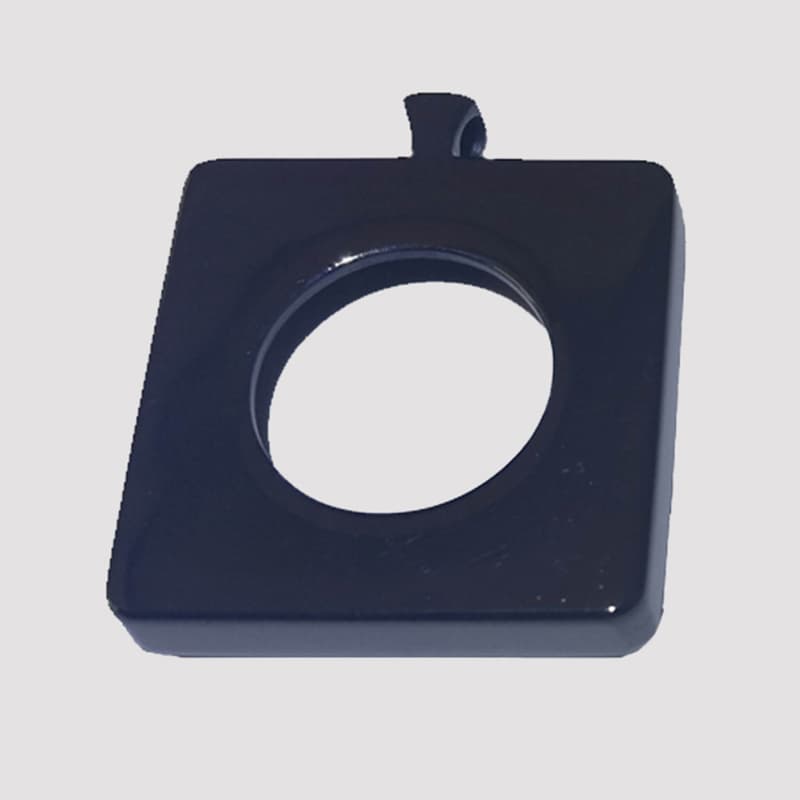
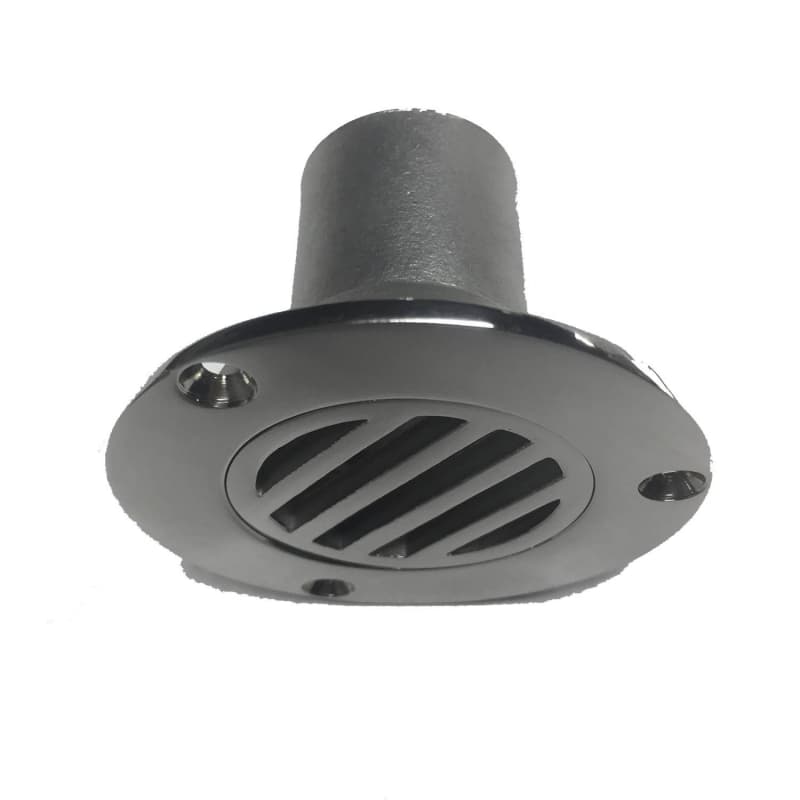

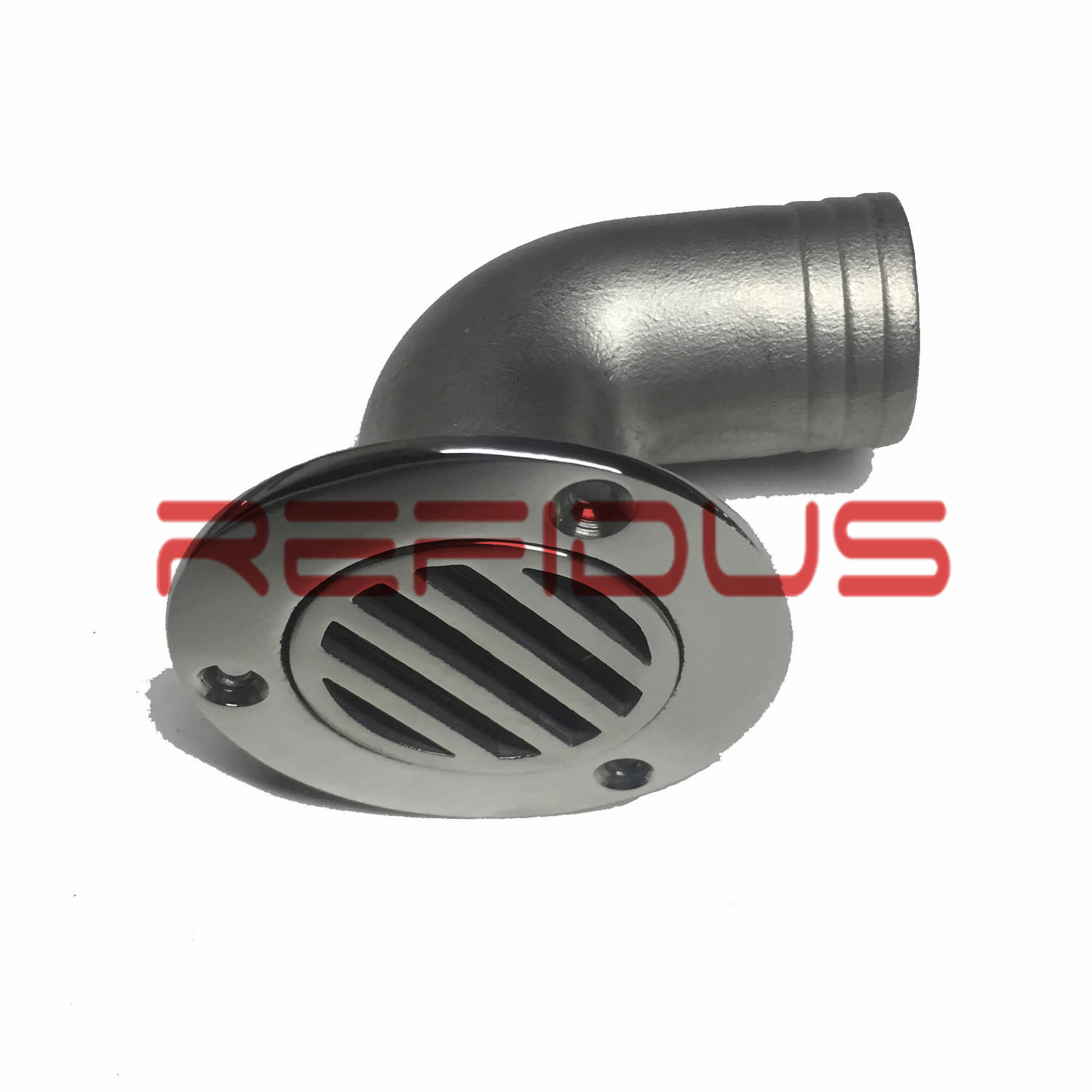

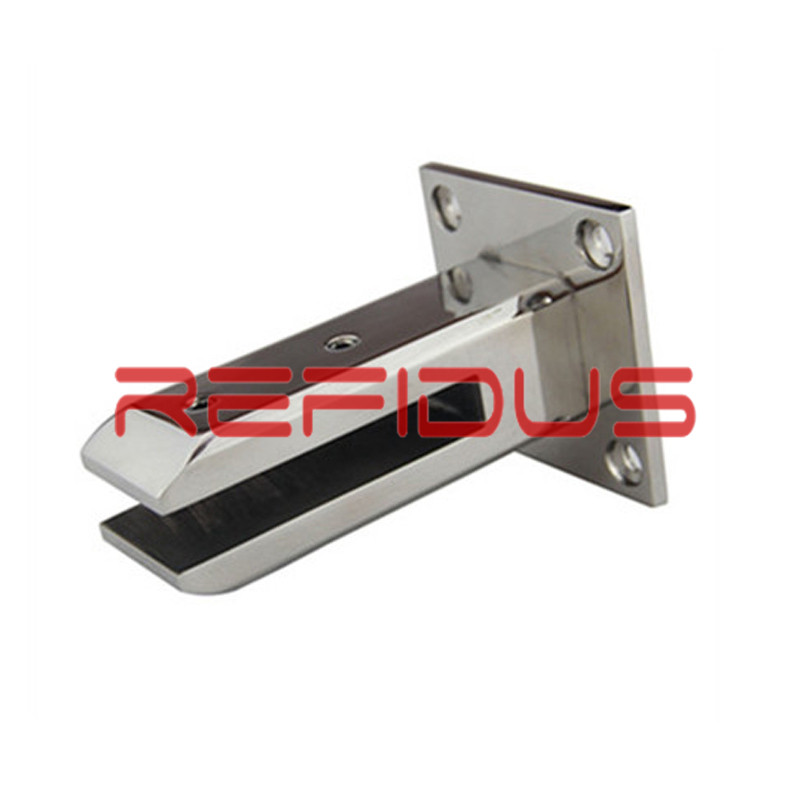
From drawings and samples to polished 304 stainless steel castings
Silica sol investment casting — also called precision lost-wax casting — builds a smooth ceramic shell around an injected wax pattern, so molten 304 stainless steel reproduces fine detail, thin walls and complex internal and external geometry that sand casting or pure machining cannot reach economically. The cast blank is then CNC machined and polished in the same production chain.
Drawing review and DFM
Drawings or physical samples are reviewed for wall thickness, fillets, draft, machining allowances, gating and polishing access. Samples are measured and redrawn when no CAD file exists, and a manufacturable casting scheme is proposed before tooling starts.
Wax pattern tooling and injection
A precision aluminum wax die is machined, and wax patterns are injected under controlled pressure and temperature. Wax patterns reproduce fine contours, logos, lettering and thin sections with high repeatability from piece to piece.
Tree assembly and shell building
Wax patterns are assembled onto sprue runners and repeatedly dipped into silica sol ceramic slurry and refractory sand. Each coat dries into a strong, dimensionally stable ceramic shell built up in several alternating layers.
Dewaxing and high-temperature roasting
The shell is steam-dewaxed in an autoclave and then roasted at high temperature, removing residual wax and moisture while sintering the ceramic into a rigid, gas-permeable mold ready to receive molten 304 stainless steel.
Melting and controlled pouring
304 stainless steel is induction melted with controlled chemistry (roughly 18% chromium and 8% nickel), and poured into the hot shell under controlled temperature to guarantee complete filling of thin walls and delicate decorative detail.
Shell removal and gate cutoff
The ceramic shell is removed by vibration and shot or sand cleaning, and individual castings are cut from the pouring tree. Sprue remnants are ground flush so the part approaches its final near-net shape.
CNC machining to final dimensions
Mating faces, bores, threads, holes and sealing surfaces are finished by CNC milling, CNC turning, drilling, tapping and surface grinding, converting the as-cast blank into a fully dimensioned, assembly-ready component.
Polishing, measuring and packing
Visible surfaces are brushed, satin-finished or mirror-buffed; roughness and dimensions are checked with profilometer-compatible standards, 2D projector and CMM, and finished parts are cleaned, passivated where required and packed for delivery.
Common materials used for investment casting parts
Although this page focuses on CNC machined investment casting 304 stainless steel parts, the same silica sol process and downstream machining and polishing chain is routinely applied to the following cast metals. Material can be selected to balance corrosion resistance, strength, hardness, magnetism, polishability and cost.
304 / 304L stainless steel
The classic 18-8 austenitic stainless steel. Good all-round atmospheric corrosion resistance, excellent weldability and outstanding polishability; the default choice for decorative, sanitary, outdoor and appearance investment castings.
316 / 316L stainless steel
Molybdenum-bearing austenitic grade with stronger resistance to chloride, salt spray and marine environments, often selected for yacht deck hardware, chemical equipment and components exposed to seawater or de-icing salt.
17-4 PH stainless steel
Precipitation-hardening stainless steel combining high strength, good toughness and moderate corrosion resistance; suited to load-bearing machined investment castings such as levers, brackets, shafts and mechanical OEM parts.
410 / 420 martensitic stainless
Hardened, magnetic stainless grades that can be heat treated for wear resistance and cutting edges, used for hinges, pins, valve internals and parts requiring higher hardness than austenitic grades.
Carbon steel castings
Grades such as 1020, 1035, 1045 and WCB / WCC cast carbon steel for general structural and pressure-containing parts where strength and economy lead, typically supplied machined and with painting or other protective finishes.
Low-alloy steel
Alloyed cast steels such as 4140, 42CrMo4 and similar grades for higher tensile strength, toughness and fatigue performance in machinery, agricultural equipment, transmission and heavy-load engineering components.
Duplex 2205 / 2507
Duplex and super-duplex stainless grades offering very high strength together with excellent pitting and crevice corrosion resistance for demanding marine, offshore, pump and valve investment castings.
Heat and wear resistant grades
310S, 330 and similar heat-resisting alloys, together with manganese and wear-resistant steels, for furnace fixtures, exhaust components and parts that must keep strength at elevated temperature or under abrasive wear.
Surface treatments for investment casting stainless steel parts
Surface finishing is selected together with function and appearance: decorative and exterior parts need a uniform, defect-free visual surface, while functional parts need controlled roughness on sealing and mating faces. The finishes below are applied in-house or through long-established local finishing partners as part of the same order.
Mirror mechanical polishing
Multi-stage grinding, sisal and cloth buffing with progressively finer compounds brings 304 stainless steel to a bright, reflective mirror surface, hiding the casting skin and producing the high-gloss look expected on appearance, jewelry and yacht hardware parts.
Satin and brushed finishing
Controlled directional or circular hairline finishing delivers an even, soft satin sheen with consistent grain direction, widely used on furniture hardware, architectural trims, kitchen equipment and consumer-facing components that should not show fingerprints.
Electropolishing
Electrochemical removal of a thin surface layer levels micro-roughness, brightens recessed areas that mechanical wheels cannot reach and improves cleanability and salt-corrosion resistance on complex 304 castings.
Sand and bead blasting
Fine glass-bead or ceramic-sand blasting produces a uniform matte, silvery surface, removes residual shell and oxidation, and creates an even basis for subsequent polishing or for a deliberately non-reflective technical finish.
Passivation
Chemical removal of free iron and embedded surface contamination after machining restores the natural chromium-rich passive layer of 304 stainless steel, supporting clean, corrosion-resistant surfaces for sanitary, marine and outdoor use.
Vibratory and barrel finishing
Mass tumbling and vibratory deburring with ceramic or plastic media round sharp edges, remove machining burrs and blend gate remnants evenly across large batches at stable, repeatable cost.
Pickling and descaling
Acid pickling removes heat scale and oxides formed during casting or welding, restoring a uniformly clean stainless surface before final polishing or assembly.
PVD and decorative plating
For fashion, jewelry and interior parts, polished 304 castings can carry PVD color coatings (gold, champagne, black, bronze) or decorative nickel and chrome plating over a defect-free polished substrate.
Surface quality and dimensional accuracy we can achieve
Precision is built in three layers: the silica sol investment casting already delivers a smooth, near-net-shape blank; CNC machining then locks in functional dimensions; final polishing establishes the visible surface. The values below describe typical achievable ranges; exact tolerances are always confirmed against part size, geometry and drawing requirements.
As-cast surface quality and casting tolerances
With silica sol ceramic shells, 304 stainless steel investment castings typically leave the foundry at a surface roughness of about Ra 3.2–6.3 µm, with little residual sand and no coarse sand-casting texture. General linear casting tolerances fall around CT5–CT7 grade; on small dimensions up to roughly 25 mm, deviations can be held near ±0.10 mm, widening proportionally with overall size.
The process supports wall thickness down to roughly 1.5–2 mm on suitable geometry, fine lettering and logos, and complex curved or cored shapes. Casting surfaces that will remain visible are planned with extra polishing stock, while mating faces are planned with CNC machining allowance.
CNC machined dimensional accuracy
Finish machining on CNC milling and turning centers typically holds IT6–IT8 tolerances, with selected critical features such as bored holes, turned diameters and ground faces reaching IT5 class. Bore and diameter tolerances around ±0.01 mm, controlled concentricity, perpendicularity, parallelism and flatness are routine for machined investment castings.
Standard machined surfaces reach Ra 0.8–1.6 µm; fine turning, reaming and surface grinding can reach Ra 0.4 µm or better on sealing and bearing surfaces. Threads are cut or tapped to standard metric and inch specifications, and cross-hole positions are verified against drawing datum schemes.
Polished surface quality on 304 stainless steel
On polished precision cast 304 stainless steel, satin and hairline finishes are typically controlled around Ra 0.4–0.8 µm, while full mirror buffing reaches approximately Ra 0.1–0.2 µm and below on well-supported faces, producing a clear, reflective surface with no visible casting skin, pits, wheel marks or orange-peel texture.
Because polishing removes a thin layer of material, high-gloss parts are engineered with uniform polishing allowance and softened external edges; flat and gently curved faces polish most evenly, and recessed pockets are pre-smoothed by CNC or blasting before final buffing so the visual surface is consistent across the whole component.
From first article to batch consistency
A first-article inspection confirms dimensions, roughness and appearance before series production. In-process checks cover critical setups at every operation, and final inspection samples each batch for appearance, dimensions and thread function. Casting chemistry and hardness are checked per heat so that material, geometry and finish remain stable from the first piece to repeated repeat orders.
Appearance-critical polished parts are additionally inspected under fixed lighting for grinding lines, buffing shadows, dents and uneven reflection, so decorative, jewelry and yacht components leave the line visually uniform rather than merely dimensionally acceptable.
| Production stage | Typical surface roughness | Typical dimensional accuracy | Main role of the stage |
|---|---|---|---|
| Silica sol investment casting (as cast) | Ra 3.2–6.3 µm, smooth near-net-shape surface | CT5–CT7 casting tolerance; roughly ±0.10 mm on small dimensions, scaling with size | Forms complex geometry, thin walls and fine detail with minimal material removal |
| CNC milling / turning / grinding | Ra 0.8–1.6 µm standard; Ra 0.4 µm or finer on ground faces | IT6–IT8 typical; IT5 and ±0.01 mm-level control on selected critical features | Locks in bores, threads, mating faces, datum planes and assembly dimensions |
| Polishing on 304 stainless steel | Satin Ra 0.4–0.8 µm; mirror buffing around Ra 0.1–0.2 µm and below | Follows the machined substrate; controlled polishing allowance keeps geometry intact | Establishes the uniform, reflective appearance required of visible exterior parts |
| Final inspection stage | Appearance check under fixed lighting plus roughness reference samples | 2D projector and CMM verification against drawing datums, thread gauging | Confirms that every shipped batch matches the approved first-article standard |
Common uses of polished investment casting 304 stainless steel parts
Polished precision cast stainless steel is chosen wherever a component must be structural and beautiful at the same time — corrosion resistant enough for wet and outdoor environments, smooth enough to touch and clean, and reflective enough to serve as a visible design element. The following applications are produced regularly from customer drawings and samples.
Decorative appearance parts
Visible trim, covers, caps, collars, bezels, escutcheons and design shells for products whose exterior surface sells the product; mirror or satin cast 304 replaces welded fabrications with one seamless, polished body.
Jewelry and fashion components
Jewelry findings and accessories such as clasps, connectors, pendants, charms, beads, settings, buckles and bracelet links, cast in small, intricate shapes and polished to a bright, skin-friendly, nickel-stable finish.
Yacht and marine deck fittings
Boat and yacht hardware including cleats, bollards, chocks, hinges, latches, hasps, rail fittings, anchor rollers and deck rings, mirror polished to resist salt spray and stay bright with minimal maintenance.
Furniture and cabinet hardware
Furniture accessories such as handles, pulls, knobs, feet, connectors, shelf supports, hinges, brackets and glass-gripping parts for cabinets, wardrobes, tables, chairs, doors and high-end interior installations.
Bathroom and kitchen fixtures
Drainers, drain baskets, soap holders, faucet components, shower brackets, robe hooks, shelf brackets and bar accessories that stay bright in humid environments and wipe clean without coating.
Architectural and glass hardware
Glass clamps, handrail brackets, standoffs, spider fittings, balustrade connectors, door stops and curtain-wall components for staircases, balconies, storefronts, hotels and public interiors.
Lighting and consumer goods trim
Lamp bases, lamp holders, decorative rings, appliance trim, bottle and dispenser hardware and other small visible parts where a precision cast, high-polish 304 body conveys a premium feel.
Automotive and motorcycle appearance parts
Exhaust tips, trim brackets, custom fasteners, footpeg and control hardware, caravan and RV fittings and aftermarket accessories that combine mechanical function with a show-quality polished surface.
Industries that use our CNC machined investment casting parts
Our cast-and-machined 304 stainless steel components enter products where corrosion resistance, precise fit and a controlled visible surface matter together. Drawings, samples or worn reference parts from any of the industries below can be turned into repeatable custom production.
Marine, yacht and boating
Salt-spray-resistant deck and cabin hardware, polished fittings, hinges and clamps for sailboats, motor yachts, pontoons and dockside equipment.
Architecture and interior construction
Staircase, railing, façade, glass-fixing and decorative metal components for commercial buildings, hotels, residences and public spaces.
Furniture and home hardware
Handles, hinges, connectors and decorative structural parts for furniture makers, kitchen and wardrobe brands and interior fit-out companies.
Jewelry, fashion and accessories
Small, intricate, highly polished cast findings and hardware for jewelry, bags, belts, watches and lifestyle accessories.
Food, beverage and kitchen equipment
Smooth, cleanable cast components for commercial kitchens, brewing and beverage machinery, food processing and catering equipment.
Bathroom and sanitary ware
Drainers, brackets, holders and faucet-related castings for showers, bathrooms, wet rooms and accessible sanitary installations.
Automotive and transportation
Appearance and functional stainless castings for cars, motorcycles, trucks, caravans, rail interiors and customized vehicle builds.
Machinery and industrial OEM
Pump and valve parts, levers, brackets, couplings, impellers and custom machine components for equipment manufacturers and maintenance fleets.
CNC machined investment casting 304 stainless steel parts we make
The list below illustrates how process, feature, material and part combine in real orders. Each item can be produced from drawings or samples, in 304 stainless steel by default and in alternative cast alloys on request, from one-off pieces to large production batches.
CNC machined mirror polished investment casting 304 stainless steel hinge
Flat leaf faces milled square, hinge pin holes reamed concentrically and all exterior surfaces buffed to a mirror line for doors, cabinets and yacht hatches.
CNC machined tight-tolerance investment casting 304 stainless steel glass clamp
Clamping bores and screw seats machined to accurate pitch and flatness, polished inside and out for frameless glass railings and shower screens.
CNC machined smooth-surface investment casting 304 stainless steel drainer
Slot edges deburred, seating faces turned flat and visible surfaces satin or mirror finished for kitchen, bathroom and food-line drainage.
CNC machined corrosion-resistant investment casting 304 stainless steel marine cleat
Rounded rope contact surfaces, drilled mounting holes and a high-polish exterior built for repeated wet exposure on decks and docks.
CNC machined thread-cut investment casting 304 stainless steel furniture handle
Tapped mounting threads, level seating pads and a flawless satin or mirror finish tailored to furniture and premium cabinet designs.
CNC machined precision-bored investment casting 304 stainless steel shaft coupling
Bored keyways and coaxial bores held to tight runout for torque transmission in machinery, conveyors and transmission assemblies.
CNC machined flat-ground investment casting 304 stainless steel mounting bracket
Ground datum faces, position-controlled hole patterns and deburred edges for stable, repeatable mounting in equipment and structures.
CNC machined finely deburred investment casting 304 stainless steel jewelry clasp
Tiny articulated features cast near-net, precision trimmed and mirror buffed to a smooth, snag-free, skin-friendly surface.
CNC machined angle-accurate investment casting 304 stainless steel door stopper
Contact faces and threaded bases machined to correct seating angles, polished for doors, walls and marine cabin hardware.
CNC machined fine-polished investment casting 304 stainless steel handrail fitting
Tube sockets bored to match standard pipe diameters with polished curved exteriors for staircases, balustrades and boat rail systems.
CNC machined multi-axis investment casting 304 stainless steel pump impeller
Complex vane geometry formed by casting, with bores, keyways and seal faces machined on multi-axis equipment for pump and valve assemblies.
CNC machined net-shape investment casting 304 stainless steel custom OEM part
Any customer-designed component: send a drawing or sample and the casting, machining, threading and polishing chain is built around that geometry.
CNC machining and precision inspection equipment
Casting, machining and inspection run under one coordinated production chain, so casting allowance, datum strategy, clamping method and measuring plan are designed together instead of being passed between unrelated suppliers. The result is stable geometry on complex 304 stainless steel investment castings and measurable, documented accuracy.
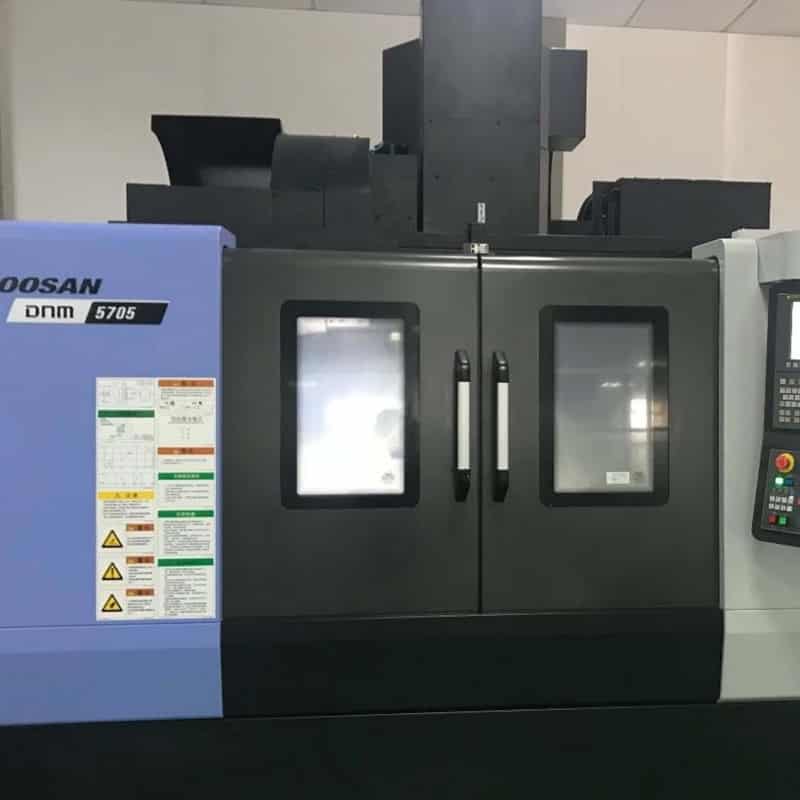
CNC milling
Vertical and horizontal CNC milling centers machine flat mating faces, pockets, slots, grooves, hole patterns and multi-face datums on cast blanks, with fixturing designed around the casting's gating and parting lines to keep clamping deformation off finished surfaces.
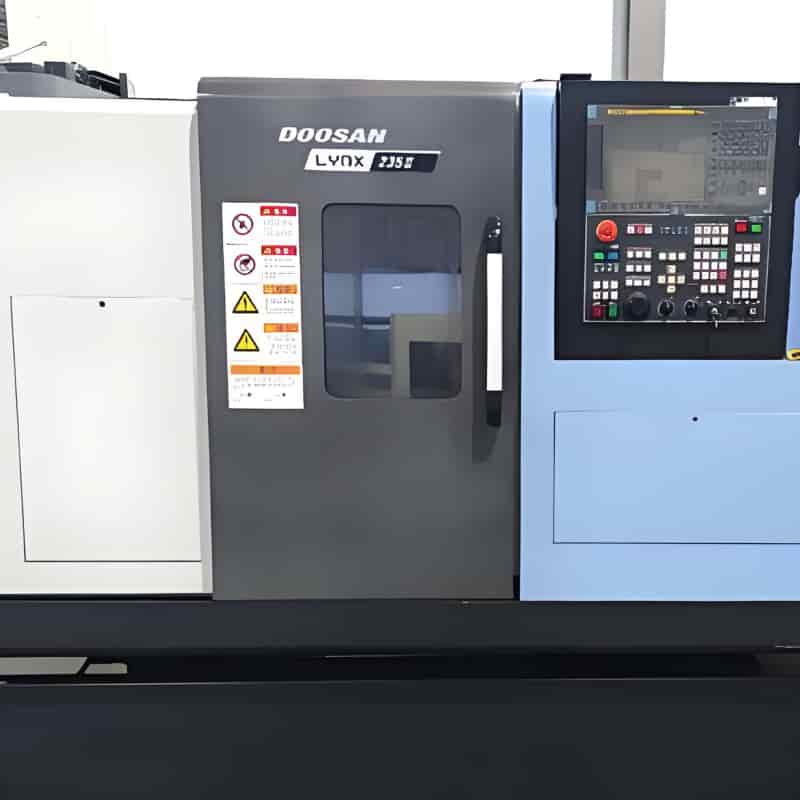
CNC turning
CNC lathes turn round bores, outer diameters, tapers, threads, grooves and sealing seats, controlling concentricity and runout for hinges, fittings, couplings, valve and pump components cast in 304 stainless steel.
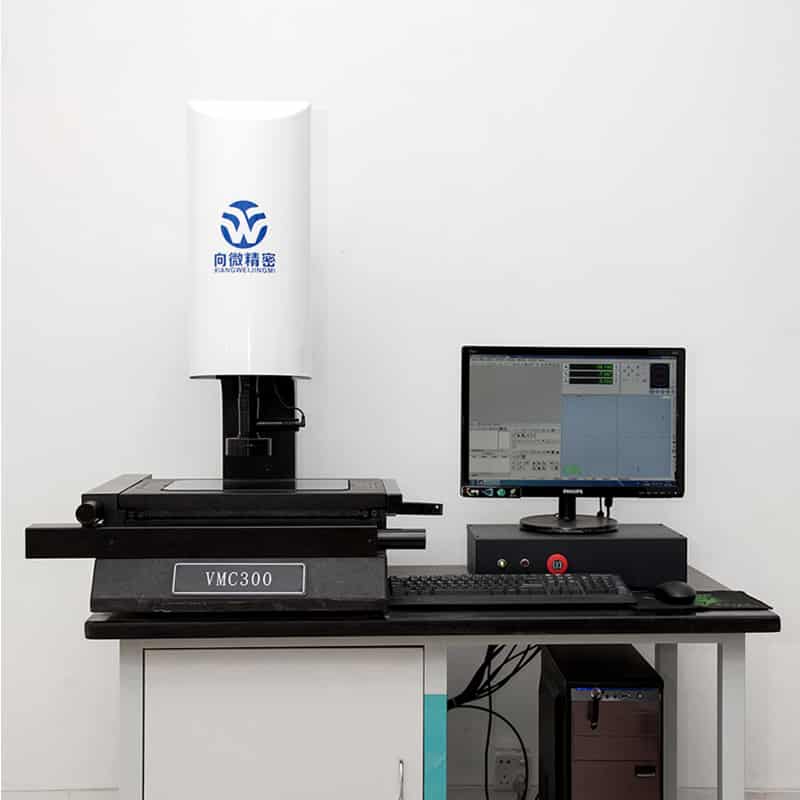
2D profile projector
An optical profile projector magnifies small or complex outlines for fast comparison against drawing profiles — edge contours, radii, angles, thread forms and tiny jewelry or hardware features that are difficult to judge by hand.
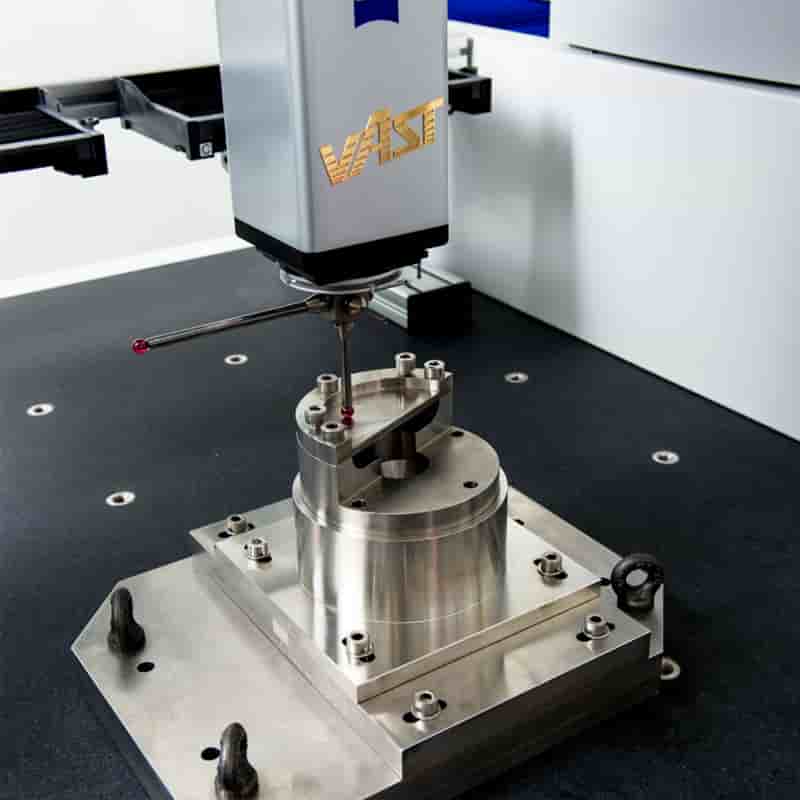
CMM coordinate inspection
A coordinate measuring machine verifies position, true position, flatness, perpendicularity, distances and datum relationships in three dimensions, supporting first-article reports and batch sampling of machined investment castings.
From a single prototype to large-batch production
The same drawing-to-finished-part workflow scales across order sizes. Single pieces and samples are treated as seriously as series orders, while repeat batches benefit from preserved tooling, fixed process parameters and recorded first-article standards.
Prototype and single pieces
One-off CNC machined investment casting 304 stainless steel parts for design verification, fit checks, samples and replacement components; physical samples can be reverse engineered when no drawing exists.
Small-batch production
Small series for product launches, custom builds, niche hardware and aftermarket lines, with quick process adjustment and close attention to appearance consistency on polished parts.
Medium-volume runs
Repeated batches with stable wax tooling, planned machining fixtures and batch-level inspection, balancing unit cost with the dimensional and visual quality required of branded products.
Large-volume series
High-volume ongoing production supported by duplicate tooling, standardized work instructions, sampling plans and heat-level traceability, keeping every delivery interchangeable with previous batches.
Why 304 stainless steel suits polished investment castings
304 is the workhorse austenitic stainless steel: its roughly 18% chromium and 8% nickel content gives dependable resistance to atmospheric corrosion, fresh water, humidity, everyday chemicals and repeated cleaning, while its low carbon behavior supports clean welding and excellent formability. Most importantly for appearance components, 304 polishes beautifully — fine grinding and buffing develop a deep, even mirror luster without the porosity or uneven reaction seen in poorer cast materials, and the finished surface needs no paint or plating to stay attractive.
For parts exposed to seawater or chlorides, 316/316L is the natural upgrade; for load-bearing components, 17-4 PH or alloy steel can be cast and machined on the same line. Material choice can therefore be tuned per part while keeping one supplier, one tooling logic and one quality standard across the whole product range.
Custom parts from drawings and samples, made in China
We manufacture custom silica sol investment casting 304 stainless steel parts strictly to customer drawings and samples: send engineering files or a physical reference part, and we handle casting design review, wax tooling, lost-wax casting, CNC milling and turning, threading and grinding, satin or mirror polishing, deburring, cleaning and dimensional inspection as a single coordinated order.
This integrated route is especially valuable for small, complex, visible components — jewelry findings, yacht fittings, furniture and architectural hardware, bathroom and kitchen drainers, glass clamps, hinges and custom OEM parts — where a smooth polished surface, accurate machined fits and corrosion resistance must all arrive in the same component, whether the order is a single sample-made piece or a repeated mass-production series.