Precision CNC machining parts per drawing
Custom CNC machining parts manufactured in China according to customer drawings,
CAD files, 3D models, specifications, or physical samples. Our CNC machining
capability covers CNC milling, CNC turning, 3-axis machining, 4-axis machining,
5-axis CNC machining, drilling, tapping, precision boring, grinding, and complex
custom machining for prototypes, replacement parts, and production quantities.
Custom CNC machining from drawing or sample
CNC machining parts can be produced directly from engineering drawings,
2D drawings, 3D CAD models, STEP files, DXF files, or physical samples.
The manufacturing process can be adapted to the geometry, material,
dimensional tolerance, surface finish, production volume, and functional
requirements of each custom part.
As a CNC machining China supplier, we support both simple and highly
complex components. Our machining service is suitable for one-off CNC
machined parts, prototypes, low-volume production, repeat orders, and
high-volume manufacturing.
Precision CNC machining China manufacturing
Precision CNC machining combines computer-controlled cutting with
engineered tooling, accurate workholding, controlled machining parameters,
and dimensional inspection. This allows CNC machining parts to be produced
consistently across different production batches.
CNC machining in China is widely selected for custom metal parts, precision
plastic machining, industrial components, automation parts, mechanical
assemblies, hydraulic components, aerospace-related components, marine
machinery, and other engineered products requiring controlled dimensions
and repeatable quality.
Custom CNC Machined Products
CNC machining parts and components
Examples of custom machined products covering CNC turning, CNC milling,
multi-axis machining, plastic machining, stainless steel machining,
aluminum machining, brass machining, titanium machining, impeller machining,
and hydraulic component production.
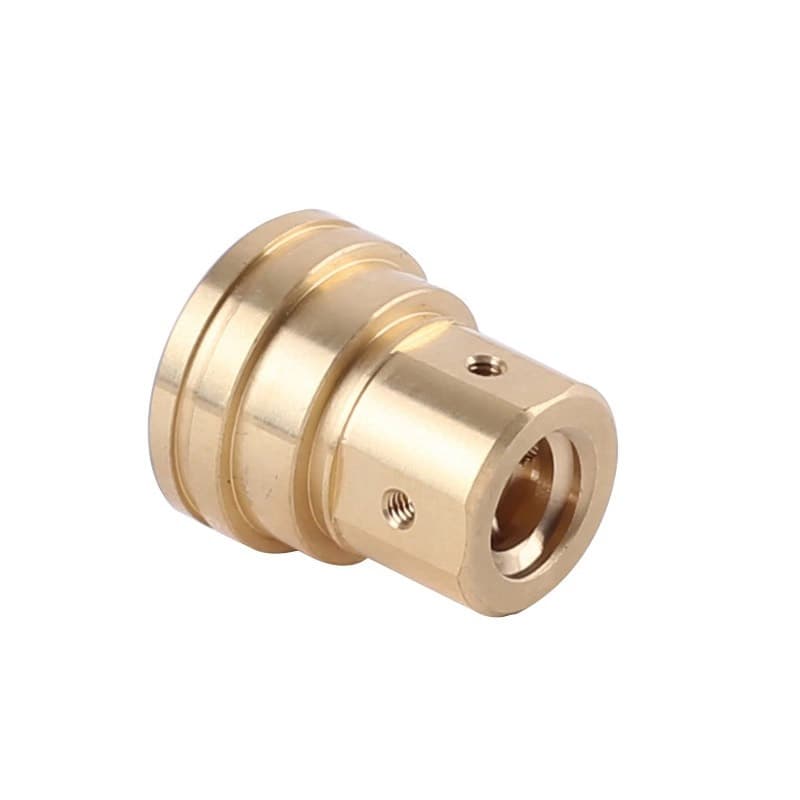
CNC Machined Brass Turning Part
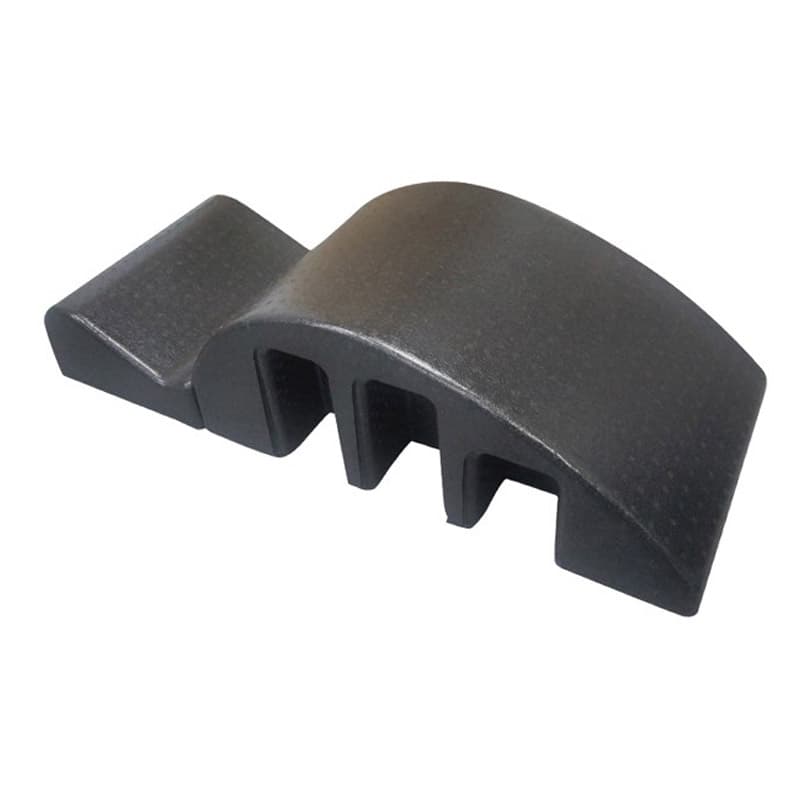
Custom CNC Machined Foam Plastic Part
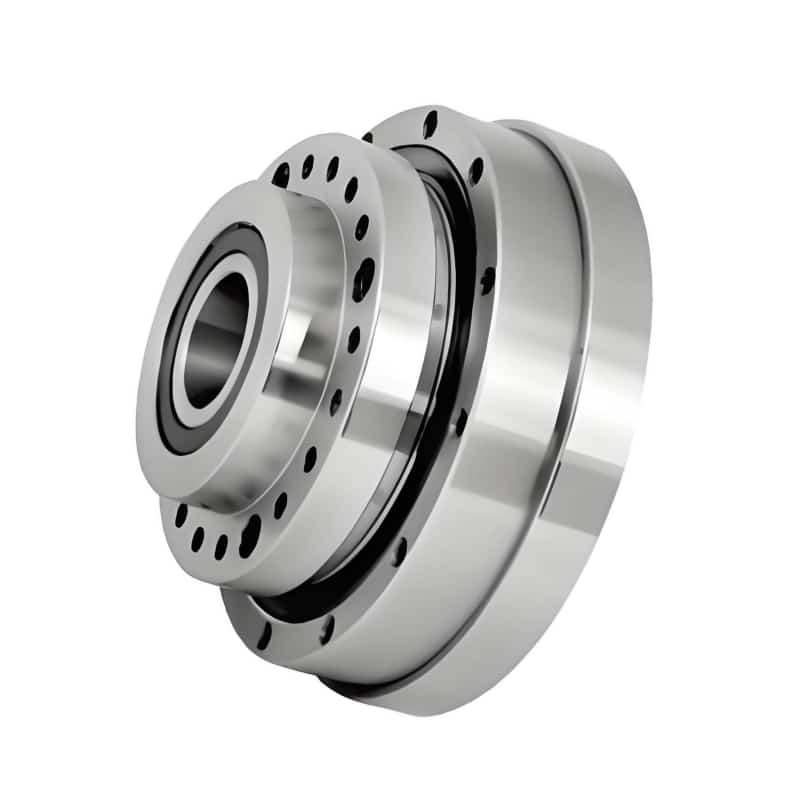
Robot Joint Body
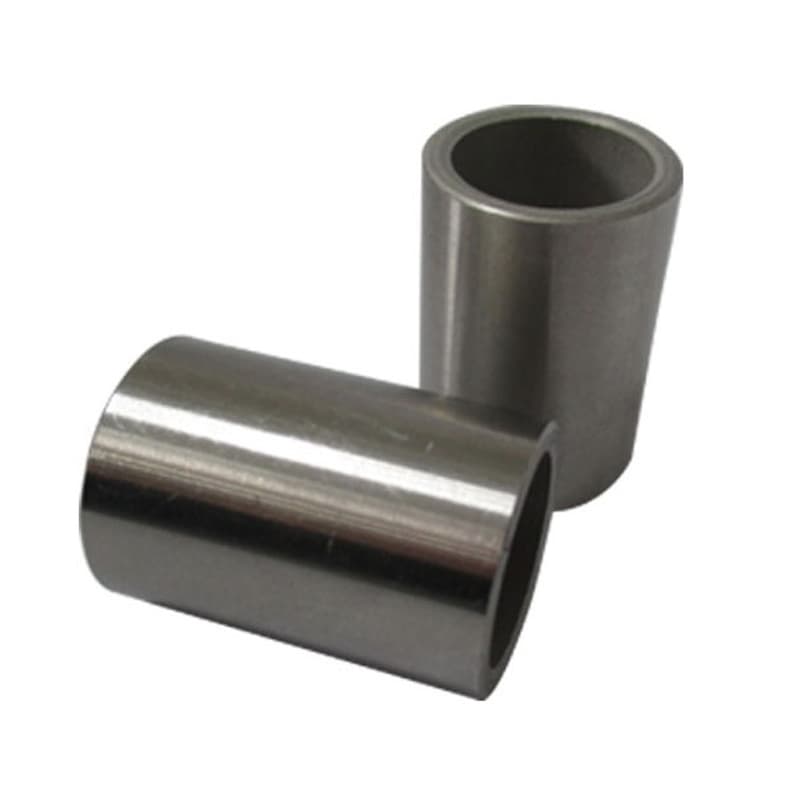
Stainless Steel Precision Bushing
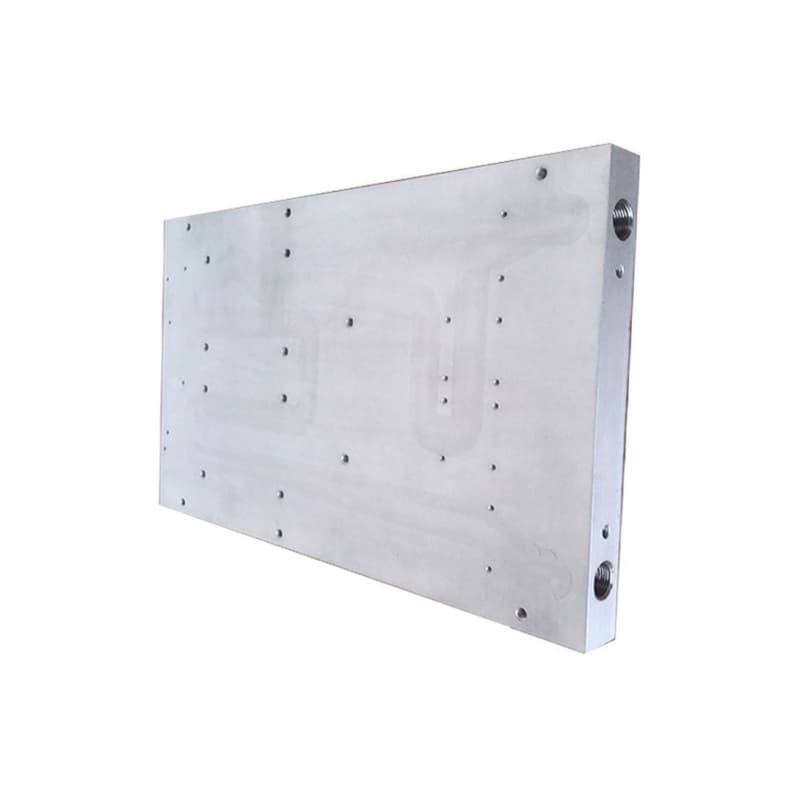
Liquid Cooling Plate
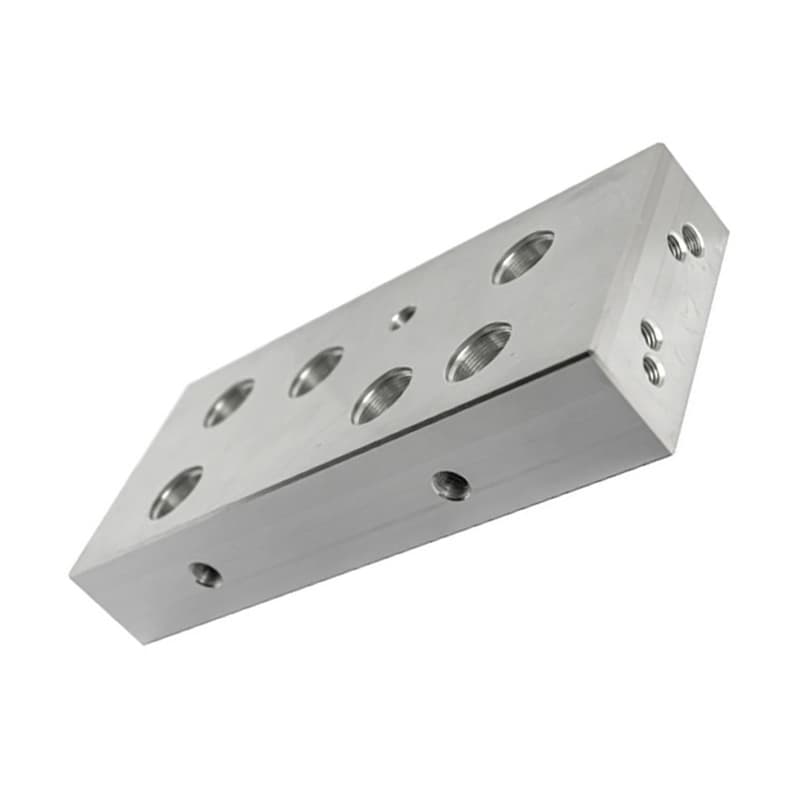
Test System Module Bracket

PA66 Machinery Part
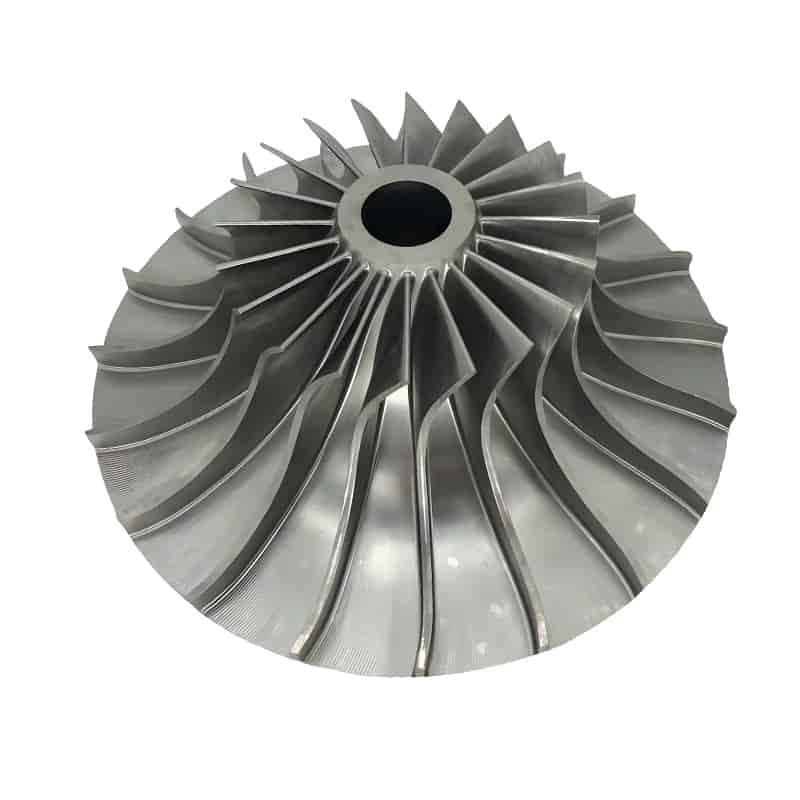
17-4PH Stainless Steel Impeller
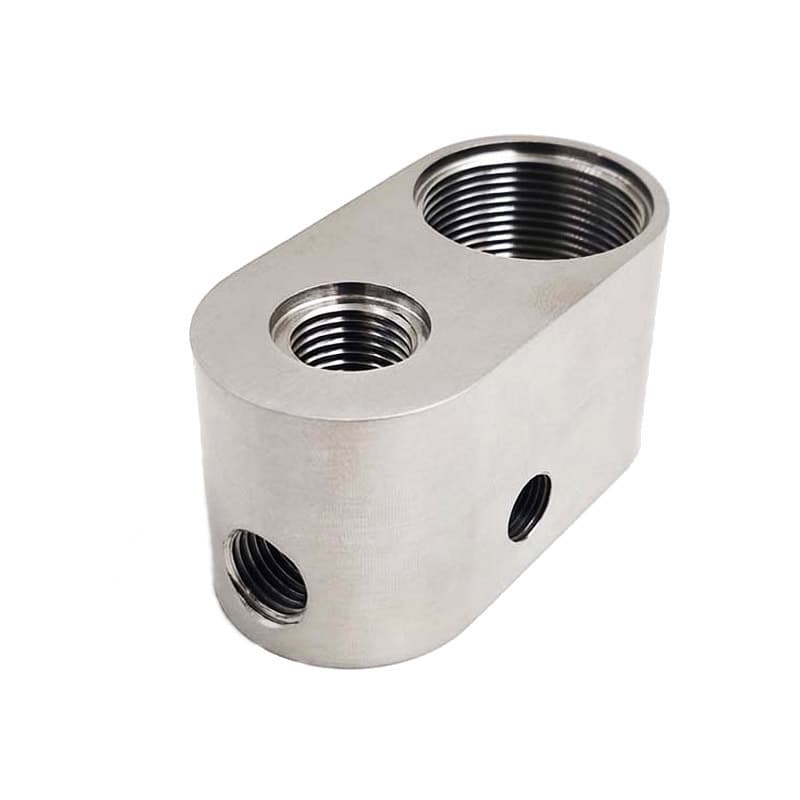
OEM Titanium Alloy Machined Part
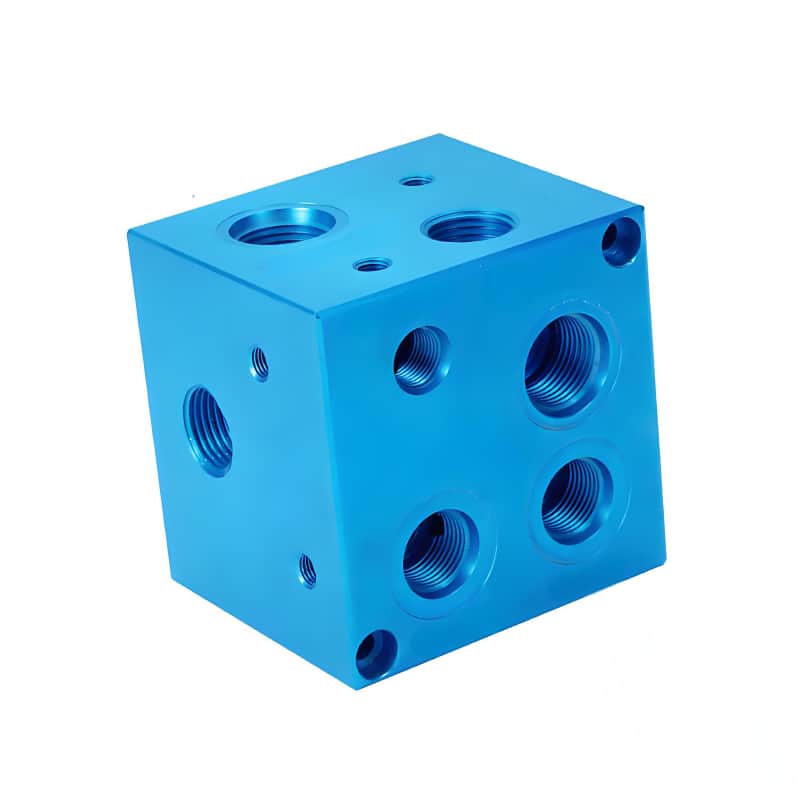
Custom Hydraulic Block
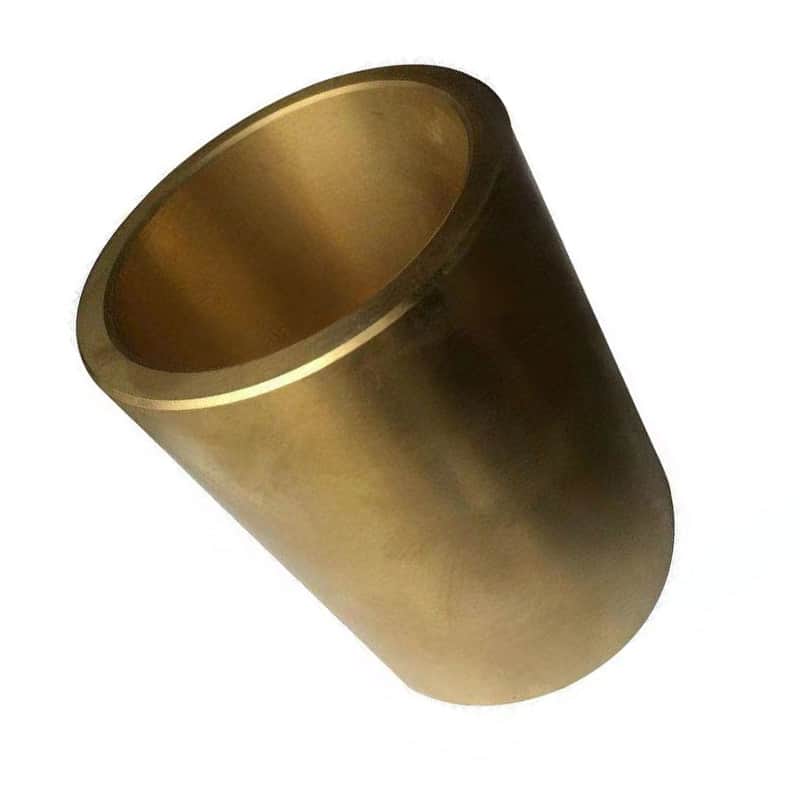
Brass Rod Bushing
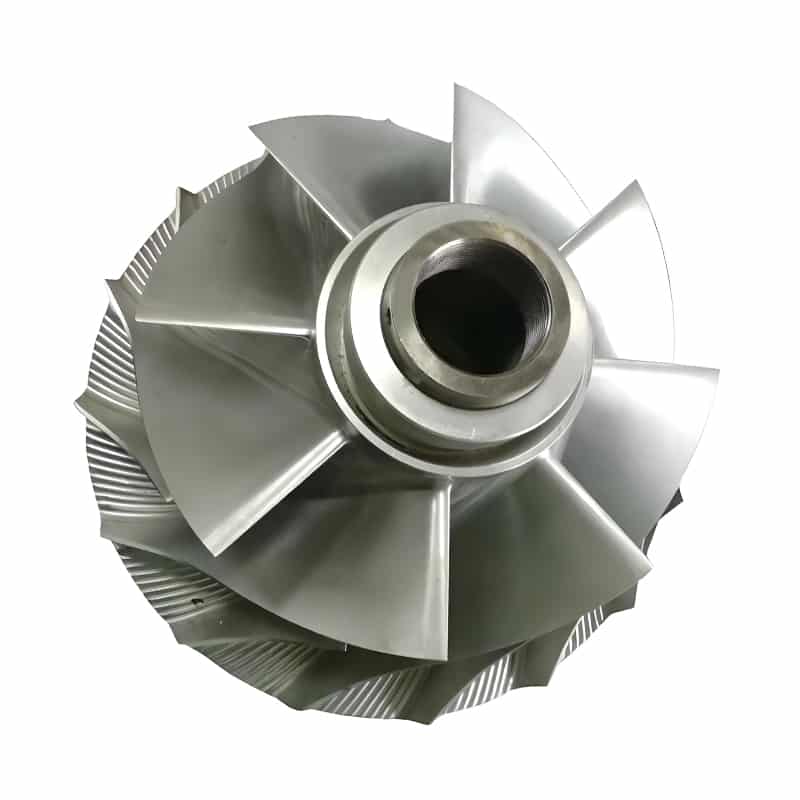
5-Axis CNC Machined Impeller
CNC machining processes for custom parts
Different CNC machining operations can be combined according to the geometry
and functional requirements of the part. A process plan may include roughing,
semi-finishing, finishing, drilling, threading, boring, contour machining,
multi-axis simultaneous cutting, and final dimensional inspection.
CNC Milling
CNC milling is suitable for plates, brackets, housings, blocks, manifolds,
fixtures, structural components, irregular profiles, pockets, slots,
bosses, curved surfaces, and complex 3D components.
CNC Turning
CNC turning is widely used for shafts, pins, bushings, sleeves,
threaded components, rings, spacers, rollers, connectors, cylindrical
components, and precision rotary parts.
3-Axis CNC Machining
3-axis machining provides an efficient solution for many prismatic parts,
flat components, pockets, holes, steps, slots, and conventional machined
geometries.
4-Axis CNC Machining
4-axis machining provides additional rotational positioning for parts
requiring machining on multiple sides while helping reduce repeated
setups and improve positional consistency.
5-Axis CNC Machining
5-axis CNC machining is suitable for complex impellers, blades, curved
surfaces, deep cavities, aerospace-type structures, turbine components,
and parts where several surfaces must be accurately related to one another.
Drilling, Tapping and Threading
CNC machining can incorporate precision drilling, tapping, internal
threading, external threading, countersinking, counterboring, reaming,
and other hole-making operations into a complete machining process.
Precision Grinding
Grinding can be used for specific precision surfaces, close tolerances,
improved dimensional stability, cylindrical surfaces, flat surfaces,
and applications requiring controlled surface roughness.
Complex and Combined Processes
CNC machined parts may combine milling, turning, drilling, tapping,
grinding, EDM, wire cutting, deburring, heat-treatment coordination,
and surface-treatment processes depending on the engineering requirement.
CNC Machining Materials
Common materials for CNC machining parts
CNC machining can be adapted to a broad range of metals, engineering plastics,
corrosion-resistant alloys, high-strength materials, and specialty materials.
Material selection depends on strength, weight, wear resistance, corrosion
resistance, temperature, electrical characteristics, chemical exposure,
and final application.
Aluminum Alloys
Aluminum CNC machining is widely used for lightweight brackets, housings,
frames, fixtures, heat sinks, enclosures, automotive parts, robotics,
automation components, and general industrial CNC machining parts.
Stainless Steel
Stainless steel machining is suitable for shafts, fittings, valves,
hydraulic blocks, food machinery components, marine parts, structural
components, bushings, and corrosion-resistant CNC machined parts.
Carbon and Alloy Steel
Carbon steel and alloy steel are commonly machined for shafts, gears,
pins, mechanical components, heavy-duty parts, tooling components,
industrial equipment, and wear-resistant assemblies.
Titanium Alloys
Titanium CNC machining is used for lightweight high-strength components,
difficult-to-machine structural parts, specialized industrial components,
and applications requiring a favorable strength-to-weight ratio.
Brass and Copper
Brass machining and copper machining are widely used for bushings,
connectors, electrical components, fittings, valves, sleeves, terminals,
precision turned parts, and conductive components.
Bronze
Bronze CNC machining is suitable for wear-resistant bushings, bearings,
sleeves, mechanical components, marine-related parts, and applications
requiring good sliding characteristics.
Inconel and Superalloys
Nickel-based superalloys and other high-temperature alloys can be CNC
machined for demanding environments where heat resistance, strength,
and corrosion performance are important.
Engineering Plastics
POM, PA, PA66, nylon, PP, PE, PTFE, PVC, PC, PEEK, and similar engineering
plastics can be CNC machined for lightweight components, insulation parts,
guides, rollers, bushings, covers, and precision mechanical parts.
Custom Machined Components
CNC machining parts made to drawing
Custom CNC parts can be manufactured in many shapes and configurations,
from small precision components to large mechanical components.
Precision Rotary Parts
- CNC turned shafts
- Drive shafts
- Pins and axles
- Bushings and sleeves
- Spacers and rings
- Rollers and cylindrical components
- Threaded rotary components
Milled Mechanical Components
- Aluminum housings
- Machine brackets
- Mounting plates
- Machined blocks
- Structural components
- Equipment bases
- Custom fixtures
Fluid and Hydraulic Components
- Hydraulic valve blocks
- Valve bodies
- Manifolds
- Hydraulic spools
- Precision fittings
- Flow-control components
- Special threaded connectors
Complex 5-Axis Components
- Impellers
- Blades
- Blisks
- Diffusers
- Guide vanes
- Nozzle components
- Complex curved surfaces
Precision Plastic Parts
- POM machine parts
- PA and PA66 components
- PE and PP components
- PEEK parts
- Plastic bushings
- Insulating components
- Wear-resistant guides
Industrial Custom Components
- Automation machine parts
- Robot components
- Conveyor components
- Food machinery parts
- Test equipment components
- Pump and compressor parts
- Replacement machine components
Applications and Industries
Where CNC machined parts are used
CNC machining China manufacturers supply precision machined components for
many industrial applications where engineering drawings, dimensional control,
repeatability, and material performance are important.
Aerospace and Aviation
Complex aluminum, titanium, stainless steel, and specialty alloy components,
brackets, housings, structural parts, blades, and precision mechanical parts.
Automotive
Prototype automotive parts, shafts, bushings, brackets, housings, fixtures,
engine-related components, and customized replacement parts.
Robotics and Automation
Robot joint bodies, mounting components, precision brackets, frames,
housings, end-effector components, and custom automation machine parts.
Hydraulic and Pneumatic
Valve bodies, hydraulic blocks, manifolds, spools, fittings, sleeves,
adapters, and precision fluid-control components.
Marine and Shipbuilding
Corrosion-resistant stainless steel, bronze, brass, alloy steel, and
specialty alloy components for pumps, valves, propulsion systems, and
marine equipment.
Energy and Power
Turbine-related components, impellers, rotating parts, housings, shafts,
precision fittings, and other engineered mechanical components.
Industrial Machinery
Machine parts, gears, rollers, brackets, housings, fixtures, shafts,
plates, frames, guides, and custom replacement components.
Food and Packaging Machinery
Stainless steel components, plastic parts, conveying screws, rollers,
shafts, guides, brackets, and other custom machinery components.
Medical and Laboratory Equipment
Precision housings, mechanical components, brackets, holders, shafts,
fixtures, and small-batch engineered components.
Electronics and Electrical
Aluminum housings, heat sinks, brackets, mounting parts, copper components,
connectors, and precision mechanical structures.
Construction Equipment
Heavy-duty shafts, pins, bushings, hydraulic components, brackets,
structural parts, wear components, and replacement machine parts.
Custom Engineering Projects
Prototype components, experimental equipment, research parts, reverse
engineered components, legacy replacement parts, and low-volume production.
Machining and Inspection
CNC machining and dimensional inspection
Machining accuracy depends on machine capability, workholding, cutting tools,
material behavior, programming strategy, temperature control, machining sequence,
and inspection methodology. The following production capabilities represent
typical processes used for precision CNC machining parts.
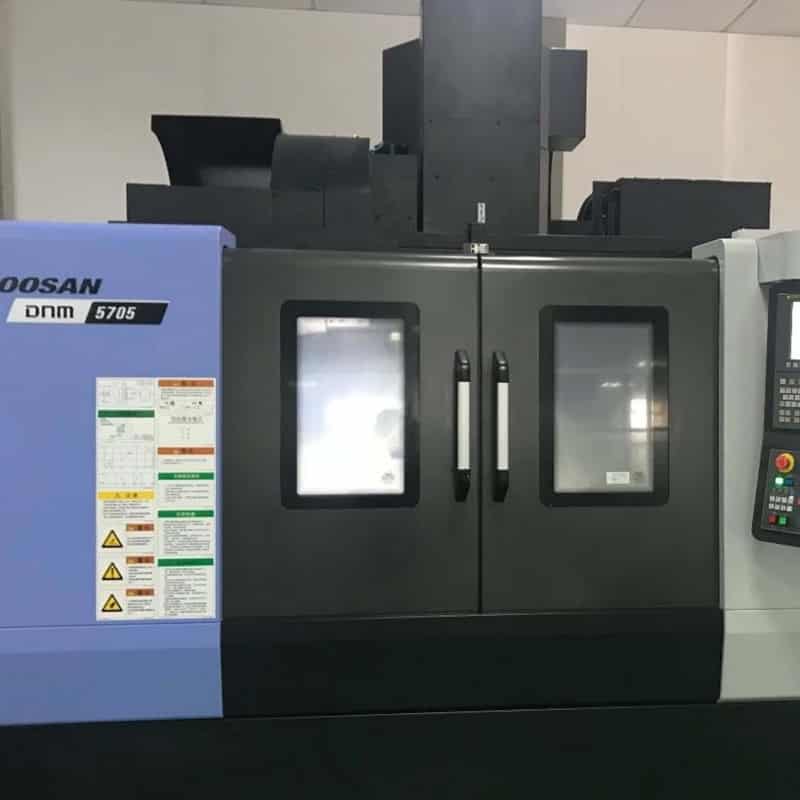
CNC Milling
CNC milling provides accurate machining of pockets, contours, holes,
slots, angled surfaces, complex profiles, and 3D geometries. Multi-axis
CNC machining can reduce setups and improve the relationship between
multiple machined surfaces.
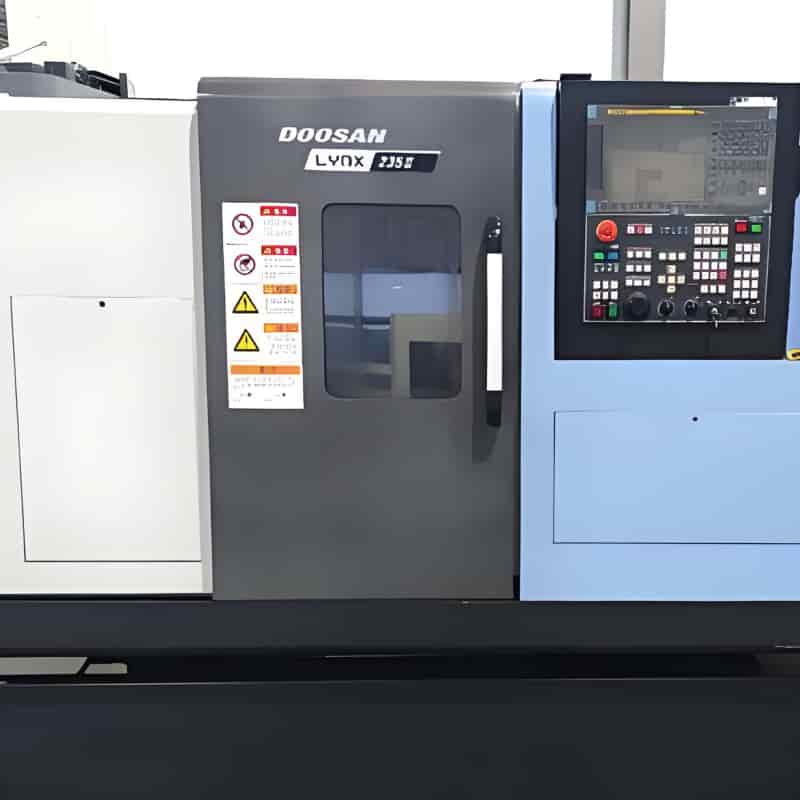
CNC Turning in China
CNC turning is suitable for cylindrical components, threaded shafts,
pins, bushings, sleeves, rings, fittings, and other precision rotary
parts requiring controlled diameter and geometric accuracy.
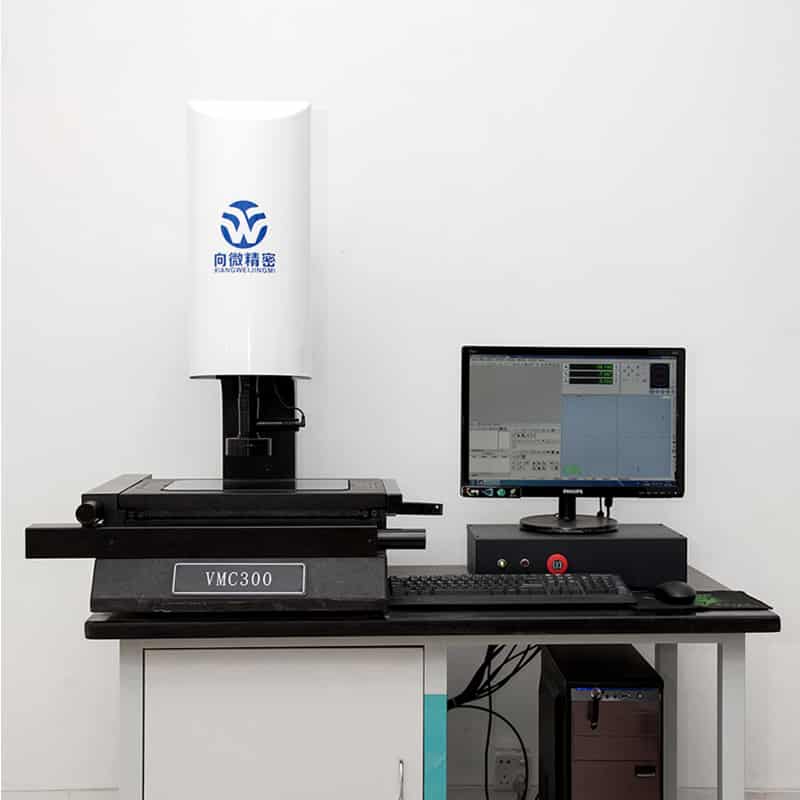
Optical Measurement
Optical measuring systems can be used to inspect profiles, diameters,
hole positions, edges, radii, angles, and other dimensional features
on precision CNC machining parts.
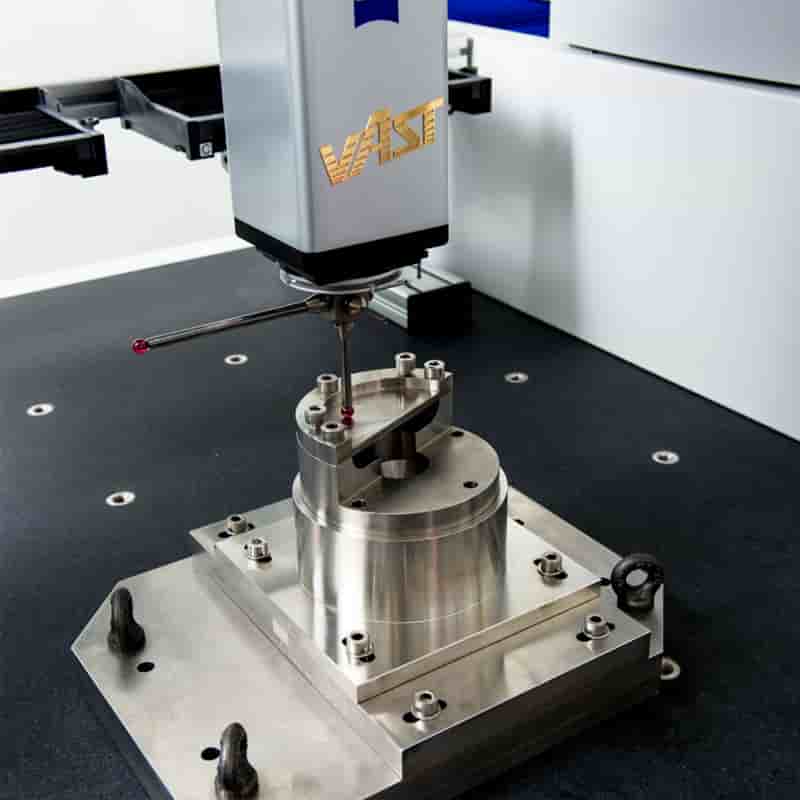
CMM Dimensional Inspection
Coordinate measuring machines can inspect dimensional relationships,
geometric tolerances, datums, hole locations, form, orientation,
position, and other critical features on precision machined parts.
Precision and Surface Quality
Dimensional accuracy and surface finish
Precision CNC machining can be engineered for different tolerance levels
according to part size, geometry, material, machining method, and functional
requirements. The drawing remains the primary reference for the required
dimensions, geometric tolerances, threads, surface finish, and inspection
criteria.
| Machining Requirement |
Typical Capability Direction |
Typical Application |
| Dimensional tolerance |
Fine tolerance machining available according to drawing requirements |
Precision mechanical components and mating parts |
| Position tolerance |
Controlled through datum planning, CNC programming, and inspection |
Multi-hole plates, housings, flanges, assemblies |
| Concentricity |
Controlled with suitable workholding, machining sequence, and measurement |
Shafts, bushings, sleeves, rotating components |
| Parallelism and perpendicularity |
Managed through setup accuracy and controlled finishing operations |
Precision plates, bases, brackets, machine components |
| Flatness |
Can be improved through controlled machining and finishing processes |
Mounting faces, sealing surfaces, precision bases |
| Cylindricity and roundness |
Suitable turning and grinding processes can be applied where required |
Shafts, bores, sleeves, bearings, rotary parts |
| Surface roughness |
Finishing strategy selected according to specified Ra requirement |
Sliding surfaces, sealing surfaces, precision mating surfaces |
| Thread accuracy |
Internal and external threads machined according to specified standard |
Fittings, shafts, valve components, adapters, connectors |
Surface Finish Options
Surface treatment after CNC machining
Surface requirements can be incorporated into the machining plan according
to the application. Different materials and component geometries may call
for different finishing approaches.
As-Machined Surface
Standard CNC machining leaves a controlled machined surface generated by
the selected cutting tool, feed rate, depth of cut, and finishing strategy.
Fine CNC Finishing
Additional finishing passes can be used to reduce tool marks, improve
surface consistency, and achieve tighter dimensional control.
Grinding
Grinding may be selected for precision surfaces requiring improved
dimensional control, surface finish, or geometric stability.
Polishing
Polishing can be applied where a smoother or more visually refined
surface is required for the final component.
Anodizing and Aluminum Finishing
Aluminum CNC machined parts can be processed with suitable anodizing or
other specified surface treatments when additional protection or appearance
requirements apply.
Plating and Coating
Selected steel, copper, brass, and other machined components may be
coordinated with appropriate plating or coating processes according to
the engineering specification.
Production Volume
From one CNC machined part to mass production
CNC machining is suitable for flexible production volumes. Manufacturing
methods, fixture strategy, tooling, inspection plans, and process optimization
can be selected according to annual demand and order quantity.
1 Piece
Ideal for prototypes, testing, reverse engineering, machine repair,
development projects, and one-off replacement components.
Low Volume
Suitable for pilot runs, engineering validation, customized equipment,
specialized machinery, and early-stage product development.
Small to Medium Batch
Suitable for repeat CNC machining parts with consistent process planning,
dedicated fixtures, optimized cutting strategies, and batch inspection.
Large Volume
Production planning can be optimized for repeat manufacturing, standardized
tooling, process stability, production efficiency, and consistent output.
Engineering approach for custom CNC machining
A reliable CNC machining process starts before cutting begins. Drawing review,
material selection, machining datum planning, tooling selection, workholding,
tolerance analysis, machining sequence, inspection planning, and production
control all influence the final result.
Drawing Review
Review dimensions, tolerances, datums, threads, surface requirements,
material specifications, and critical functional features before production.
Manufacturability Analysis
Part geometry can be evaluated for tool access, workholding, machining
orientation, cutter reach, wall thickness, deep cavities, and deformation risk.
Tool Selection
Cutting tools are selected according to material, geometry, tolerance,
surface finish, machining depth, and production volume.
Process Planning
Roughing, semi-finishing, finishing, drilling, threading, and inspection
operations can be arranged to achieve efficient and stable manufacturing.
Fixture and Workholding Strategy
Proper workholding helps control vibration, movement, distortion,
accessibility, datum relationships, and repeatability during machining.
Inspection Planning
Critical dimensions and geometric features can be identified in advance
so inspection methods are aligned with the drawing and application.
Prototype to Production
The same engineering principles can be applied from the first CNC
prototype through repeat orders and larger production quantities.
Reverse Engineering
Existing physical components can be measured and modeled when original
drawings or CAD data are unavailable, subject to the available sample
and required reconstruction accuracy.
CNC Machining Solutions
Precision CNC machining services for engineered parts
The machining strategy can be tailored to the component rather than forcing
every part into the same production method. This is particularly important
when machining difficult materials, thin walls, deep cavities, complex
surfaces, or components with multiple critical datums.
Thin-Wall Machining
Thin-wall components require careful control of cutting forces, workholding,
tool paths, finishing sequence, and deformation. These principles are
important for housings, covers, aerospace-type structures, and lightweight parts.
Deep Pocket Machining
Deep cavities require appropriate cutter selection, tool reach, chip evacuation,
vibration control, and machining strategy to achieve the required geometry.
Complex Curved Surfaces
Multi-axis machining can be used for freeform surfaces, blades, impellers,
aerodynamic profiles, contoured components, and other difficult geometries.
Precision Shaft Machining
Shaft machining may involve rough turning, semi-finishing, precision turning,
threading, keyways, drilling, grinding, and inspection of diameter and
geometric relationships.
Prototype CNC Machining
Prototype CNC machining allows new mechanical designs to be evaluated using
real materials and production-style processes before larger manufacturing runs.
Replacement CNC Parts
Custom machining can reproduce discontinued, damaged, modified, or legacy
mechanical components when original drawings or suitable physical samples
are available.
CNC Machining FAQ
Frequently requested CNC machining capabilities
Can CNC machining parts be made from customer drawings?
Yes. Custom CNC parts can be produced according to 2D drawings, 3D CAD
models, STEP files, dimensional specifications, or suitable physical samples.
Can one-piece CNC machining orders be produced?
CNC machining is suitable for one-piece prototypes, samples, replacement
components, engineering validation parts, and specialized custom products.
What is the difference between CNC milling and CNC turning?
CNC milling is primarily used for prismatic and complex non-rotary features,
while CNC turning is primarily used for cylindrical and rotary components.
Some parts require both processes.
Can aluminum CNC machining and stainless steel machining be combined?
Different materials can be manufactured as separate components of the same
project. Each material requires suitable cutting tools, speeds, feeds,
workholding, and finishing methods.
Can CNC machining produce complex impellers?
Multi-axis and 5-axis CNC machining are commonly suited to complex curved
components such as impellers, blades, diffusers, guide vanes, and similar
freeform geometries.
Can plastic parts be CNC machined?
Yes. Engineering plastics such as POM, PA, PA66, PP, PE, PTFE, PC, and PEEK
can be machined into custom mechanical components when the selected material
and geometry are appropriate.
How are critical dimensions checked?
Inspection methods may include calipers, micrometers, gauges, optical
measuring equipment, and coordinate measuring machines depending on the
required dimensional and geometric characteristics.
Is CNC machining suitable for repeat production?
Yes. CNC machining is highly suitable for repeat production because the
machining program, tooling strategy, fixture setup, process parameters,
and inspection requirements can be standardized.
Custom CNC Machining China
Precision CNC machining, CNC machining parts, CNC machined parts, custom CNC
machining, CNC machining China, CNC machining services, CNC milling China,
CNC turning China, 5-axis CNC machining, precision machining parts,
aluminum CNC machining, stainless steel CNC machining, titanium CNC machining,
brass CNC machining, CNC plastic machining, custom metal parts,
precision CNC parts, CNC prototype machining, low volume CNC machining,
CNC production parts, OEM CNC machining, drawing-based CNC machining,
custom machined components, precision turned parts, precision milled parts,
industrial CNC parts, mechanical CNC components, and custom CNC manufacturing
can all be incorporated into a single engineering-focused machining project.
