
Custom CNC machined aluminum 6061 housing from China per drawing
We manufacture custom CNC machined aluminum 6061 housings directly from your 2D drawings, 3D models or physical samples in our China machining workshop. From a single CNC machined prototype housing to repeat high-volume production runs, every enclosure, case, box, sleeve, shell and cavity body is machined to the dimensions, tolerances, threads, sealing features and surface finish defined on your drawing.
Beyond aluminum 6061, we machine a full range of aluminum housing alloys from billet, saw-cut block and plate stock, extruded profiles and aluminum die-casting blanks. CNC milling, CNC turning, mill-turn machining, precision grinding, deburring and surface finishing are handled under one workflow, so your CNC machined aluminum housing arrives ready for assembly.
Related CNC machined aluminum products
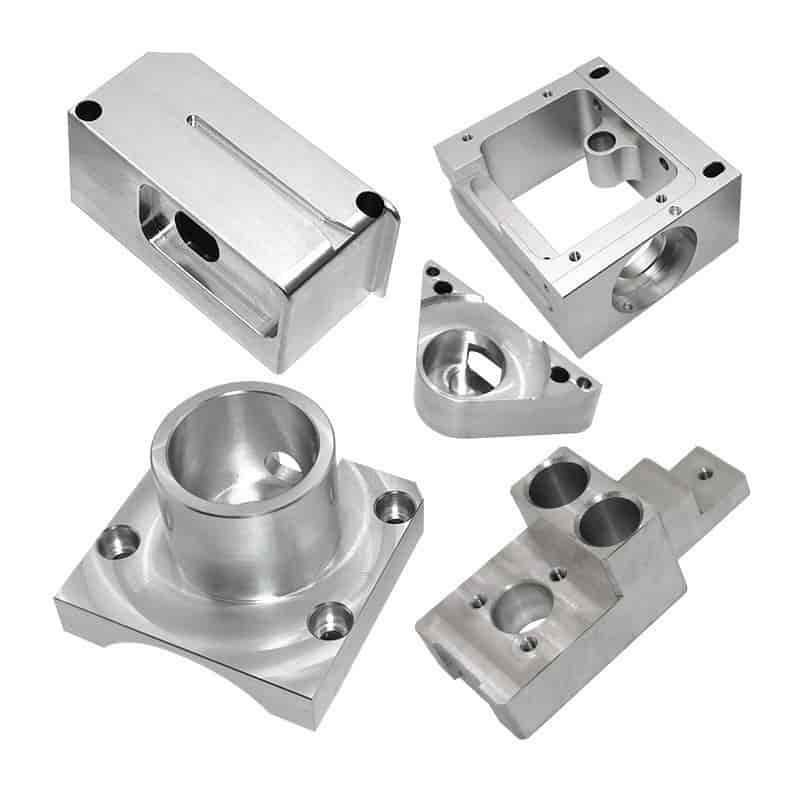
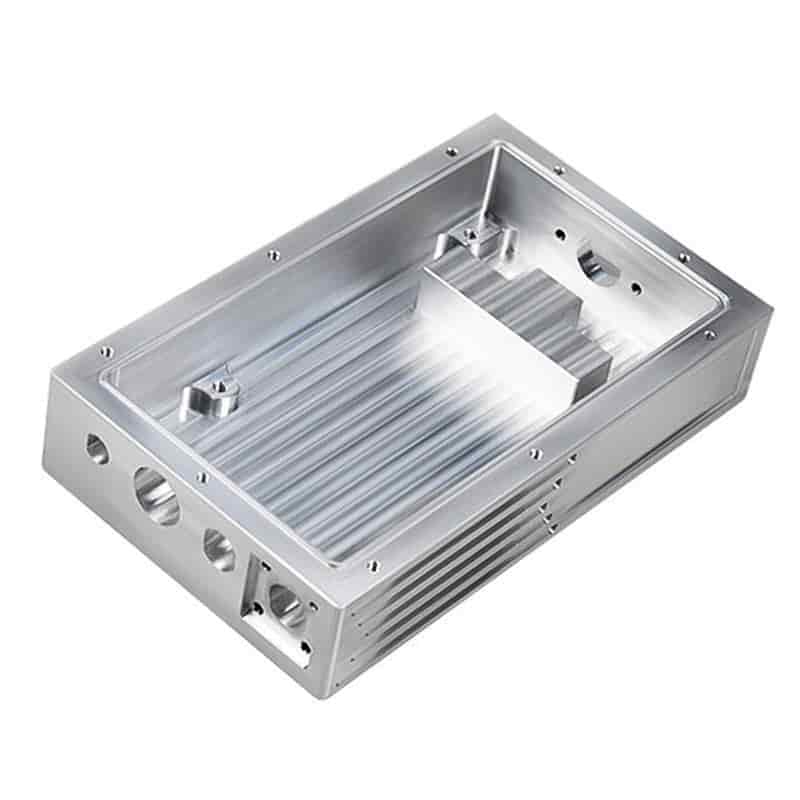
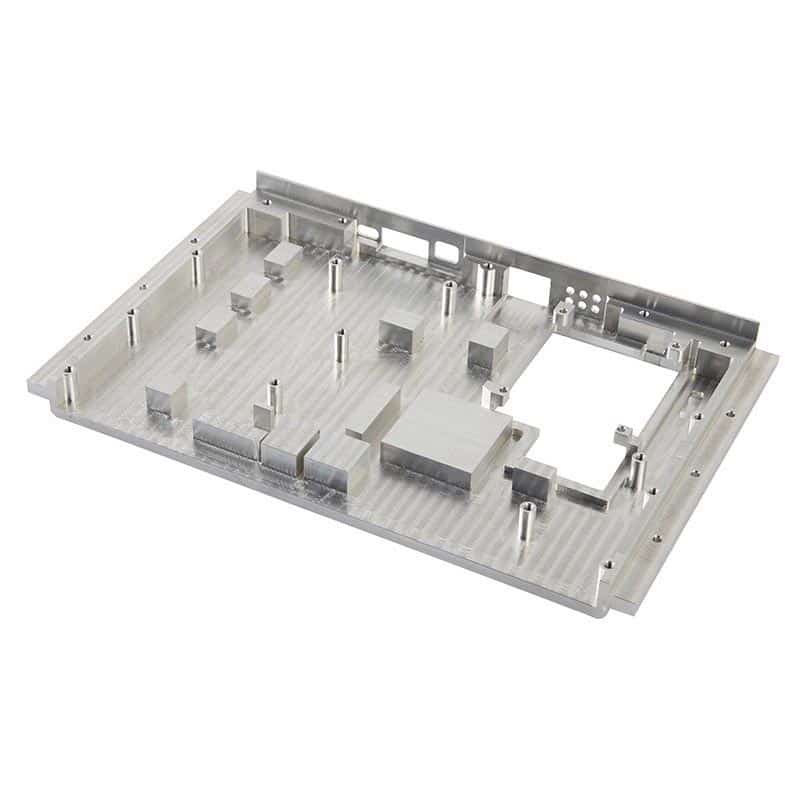
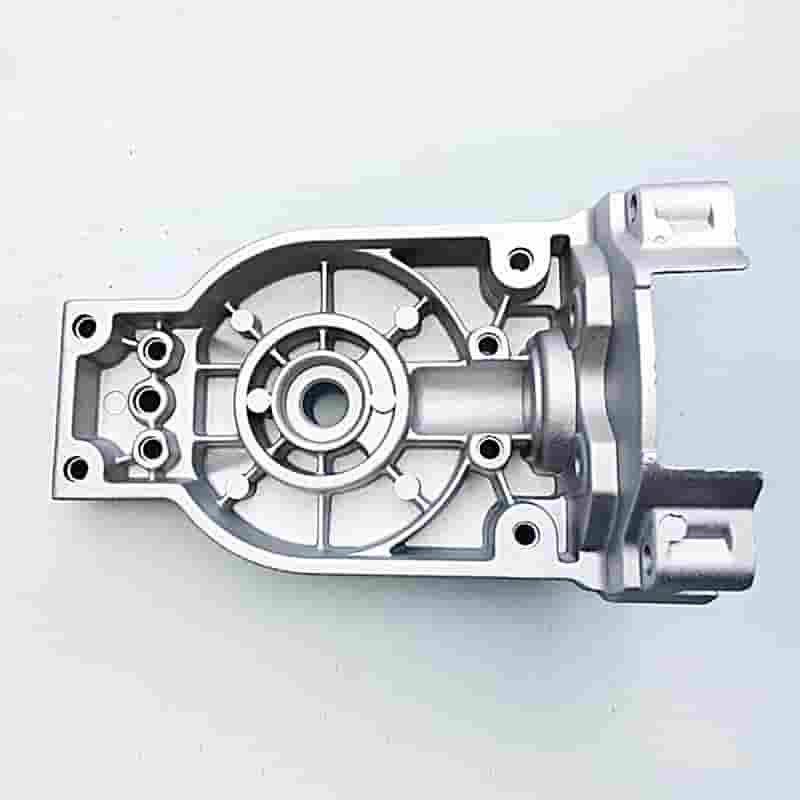
A quick look at the range of CNC machined aluminum housings, boxes, cases and die-cast components we produce per customer drawing. The same equipment cell handles small precision enclosures, deep-pocketed boxes, protective cases and post-machined aluminum die-casting parts.
Common materials for CNC machined aluminum housings
Aluminum is the default housing material when low weight, heat dissipation, corrosion resistance, clean machined appearance and electromagnetic shielding matter together. Aluminum 6061 is our most requested housing alloy, but the material can always be matched to the function, wall thickness, strength target and finish method of your enclosure.
General-purpose structural housing alloy
The standard choice for CNC machined aluminum 6061 housings. Good strength-to-weight ratio, excellent machinability, stable dimensional behavior after machining, natural corrosion resistance and very uniform anodizing results for electronics boxes, instrument enclosures and structural shells.
Smooth-finish extrusion housing alloy
Used for extruded aluminum profile housings split and machined to length. It produces a very smooth surface that takes clear and color anodizing especially well, which makes it popular for communication enclosures, LED driver boxes and slim electronic cases.
High-strength rigid housing alloy
Among the strongest heat-treatable aluminum alloys, selected when a CNC machined housing must carry high load or resist deformation in a compact envelope. Typical uses include high-load mechanical housings, fixture bodies and rugged equipment shells.
Corrosion-resistant forming alloy
Combines good salt-air and moisture resistance with easy forming and welding. It is often chosen for outdoor, marine and handheld device housings, and for panels and cover plates that pair with a CNC machined 6061 housing body.
High-stress fatigue-resistant alloy
A copper-bearing high-strength alloy suited to housings exposed to repeated mechanical stress. It machines cleanly in the heat-treated temper and is used for demanding mechanical and motion-related housing applications where stiffness is critical.
Marine and outdoor housing alloy
Offers outstanding atmospheric and seawater corrosion resistance with good weldability. It suits CNC machined waterproof housings, outdoor sensor enclosures and equipment shells exposed to humid or chemically aggressive environments.
Stress-relieved cast tool plate
A precision cast aluminum plate with very low internal stress and excellent as-supplied flatness. It is ideal for thin, wide housing covers, face plates and fixture-like enclosure parts that must stay flat after pockets and windows are machined out.
Die-casting housing alloys
Standard aluminum die-casting alloys for near-net-shape housing blanks. A die-cast housing is first cast close to form, then CNC machined on mating faces, bores, threads and sealing surfaces to reach the precision a raw casting cannot achieve.
Housings machined from billet, block stock and die-casting blanks
The same housing drawing can be produced from several starting forms. We help select the most economical blank according to geometry, quantity and budget, then machine every functional surface to drawing. Prototypes usually start from solid stock, while larger quantities often move to extruded or die-cast blanks to reduce cycle time and material waste.
Solid billet and round bar stock
Round, square or hexagonal aluminum billet is saw-cut to length and fully machined from solid. This route gives the greatest design freedom for prototypes and low-volume CNC machined housings, with no tooling investment and dense, pore-free material throughout the part.
Block and plate stock
Saw-cut aluminum block and plate blanks are used for box-shaped and rectangular housings, deep cavities, cover plates and flange bodies. Roughing removes the bulk of material quickly, after which finish passes hold tight dimensions on floors, walls and bearing surfaces.
Aluminum die-casting blanks
For medium and high volumes, an aluminum die-cast housing blank keeps wall thickness light and cost low. We finish-machine the casting datum faces, spigots, bores, tapping holes and O-ring grooves so the cast housing meets the same precision as a fully machined part where it matters.
Extruded profiles and tubing
Custom or standard aluminum extrusions and tubes are cut, milled, drilled and tapped into profile housings and sleeve-type shells. Long internal cavities are formed by the extrusion, while CNC machining adds end faces, slots, windows, ports and mounting holes.
CNC machined aluminum housings for every function
The term "housing" covers a wide family of protective and load-bearing enclosure parts. Below are the CNC machined aluminum housing types we produce most often; each can be made from 6061 or another named alloy, from billet, block, extrusion or die-cast blank, with whatever internal cavities, bores, threads and surface treatment the drawing requires.
CNC machined electronics housing
PCB enclosures and instrument boxes with internal pockets, board standoffs, connector cut-outs and lap-fitted covers that protect sensitive electronics and provide electromagnetic shielding.
CNC machined waterproof housing
Sealed aluminum enclosures with machined O-ring grooves, gasket lands, compression lips and smooth mating faces for outdoor, wash-down and immersion-resistant equipment.
CNC machined heat-dissipating housing
Housings with integrated cooling fins, thick thermal floors and machined contact surfaces that conduct heat away from power boards, modules and motor controllers without extra heat sinks.
CNC machined precision instrument housing
Dimensionally stable enclosures for meters, detectors and laboratory instruments, with flat mounting datums, aligned bores and fine cosmetic finishes for panels and bezels.
CNC machined sensor housing
Compact, rugged shells for pressure, temperature, proximity, flow and vision sensors, including thin probe noses, threaded necks, cable glands and precisely located sensing windows.
CNC machined battery housing
Battery pack enclosures and cell holders with deep pockets, vent channels, terminal openings, insulated internal surfaces and rigid walls that contain and protect cells under vibration.
CNC machined motor housing
Motor barrels, end bells and stator sleeves with concentric bores, bearing seats, mounting flanges and finned outer surfaces for servo, stepper, brushless and spindle motors.
CNC machined communication housing
Telecom and networking enclosures, radio shells and gateway boxes with antenna ports, shielded cavities, ventilation slots and rack-mount features for signal equipment.
CNC machined automotive housing
Sensor, controller, actuator and electronic control enclosures for vehicles and EV systems, engineered for clean machined sealing surfaces, vibration resistance and light weight.
CNC machined camera housing
Optical and camera shells with concentric lens bores, filter threads, tripod mounts and matte-finished internal surfaces that protect lenses and imaging modules.
CNC machined power supply housing
Converter, inverter and driver enclosures with heat-spreading base plates, isolated compartments, screw channels and vent patterns for reliable thermal management.
CNC machined audio amplifier housing
Amplifier and audio chassis with brushed or anodized cosmetic faces, knob and socket holes, shielding compartments and thick front panels for a premium solid feel.
CNC machined ruggedized housing
Shock-resistant enclosures with reinforced ribs, corner bosses and thick walls for field instruments, drones, robotics and equipment exposed to impact and vibration.
CNC machined EMI-shielded housing
Conductive aluminum enclosures and two-piece clam-shell designs that block electromagnetic interference, with overlapping lips and continuous contact faces between body and cover.
CNC machined valve and pump housing
Valve bodies, manifold blocks and pump casings with intersecting internal channels, precision spool bores, port threads and flat sealing faces for fluid and pneumatic systems.
CNC machined junction box housing
Terminal and junction enclosures with cable entry holes, DIN-rail features, lid grooves and mounting ears, machined from solid aluminum or post-machined from die-cast blanks.
Where custom machined aluminum housings are used
Because aluminum combines light weight, rigidity, thermal conductivity and natural shielding, CNC machined aluminum housings appear across almost every equipment-building industry. The applications below share the same core requirements we machine every day: accurate mating features, repeatable batch dimensions and a clean, protected surface.
Industrial electronics and IoT
Control boxes, gateway housings, edge-device enclosures and DIN-rail modules for factory automation, smart sensing and connected industrial equipment.
Telecommunications and networking
Base-station modules, antenna housings, router and switch enclosures that need shielding, weather resistance and accurately positioned RF ports.
Automotive and electric vehicles
On-board controller, sensor, charger and BMS housings, as well as post-machined aluminum die-casting parts for weight-sensitive vehicle systems.
LED lighting and displays
LED driver boxes, floodlight housings and strip-light profiles where the aluminum body itself acts as the heat sink to extend component life.
Medical and laboratory devices
Housings for handheld instruments, diagnostic modules and laboratory equipment, with smooth easy-to-clean surfaces and precise panel openings.
Marine and outdoor equipment
Waterproof and corrosion-resistant enclosures made from 5052 or 5083 where salt air, rain wash and wide temperature swings are expected.
Audio and consumer electronics
Amplifier chassis, DAC enclosures, headphone and handheld device shells valued for cosmetic anodized finishes, damping and rigid feel.
Robotics, drones and renewable energy
Lightweight structural housings for robotic joints, drone modules, solar optimizers and battery systems where every gram of weight matters.
Machining and inspection for aluminum housings
Housing quality is decided both when metal is cut and when dimensions are verified. Our workflow pairs CNC milling and CNC turning cells with optical and coordinate inspection equipment, so cavity geometry, bore precision and surface appearance are checked against the drawing before parts move to finishing and packing.
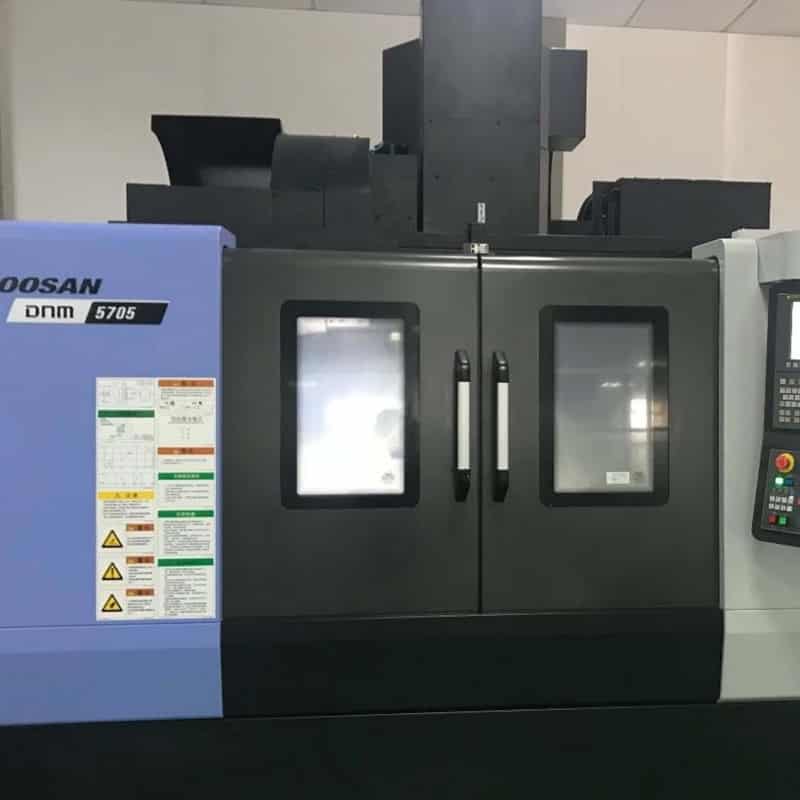
CNC milling service
3-axis, 4-axis and 5-axis CNC milling forms the main body of most aluminum housings: deep pockets and cavities, lid rabbets and step faces, connector windows, cooling fins, bolt-hole patterns, counterbores and tapped holes. Roughing passes remove bulk material quickly while finish passes hold wall thickness, floor flatness and cosmetic surface quality. Multi-axis setups reach several faces of a housing in one clamping, which preserves positional accuracy between features and shortens lead time for complex enclosure geometries.
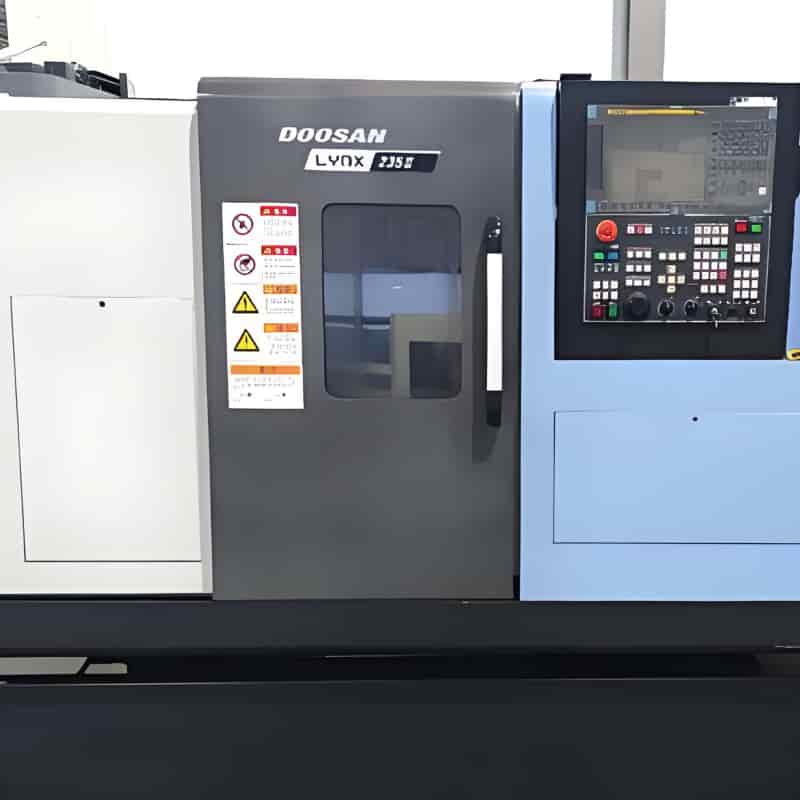
CNC turning service
CNC turning produces cylindrical and rotational housings such as sensor barrels, motor sleeves, lens tubes, ring shells and threaded caps. Concentric bores, bearing seats, external and internal threads, grooves and stepped diameters are cut in a single setup for true runout control. Mill-turn capability adds flats, cross-holes and wrench features without moving the part to a second machine, keeping round and milled features aligned on the same datum.
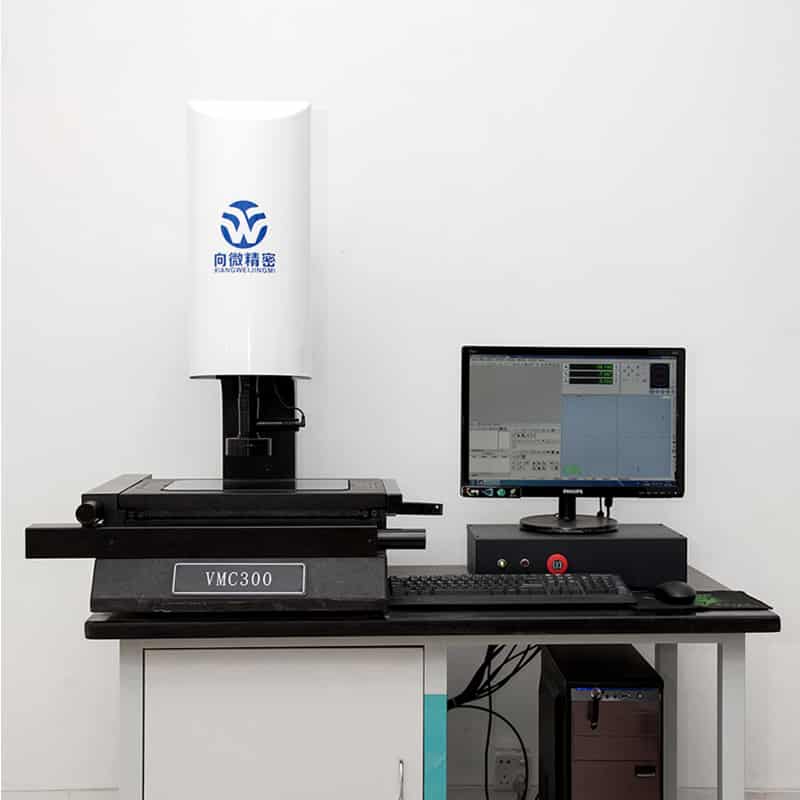
2D profile projector and vision measuring
A 2D optical profile projector and digital vision measuring machine inspect small, complex outlines that are difficult to capture by hand: internal corner radii, chamfer angles, slot widths, thread profiles, wall thicknesses and edge-break geometry. Optical inspection is fast and non-contact, which makes it practical for first-article checks and recurring in-process spot checks across an entire housing batch.
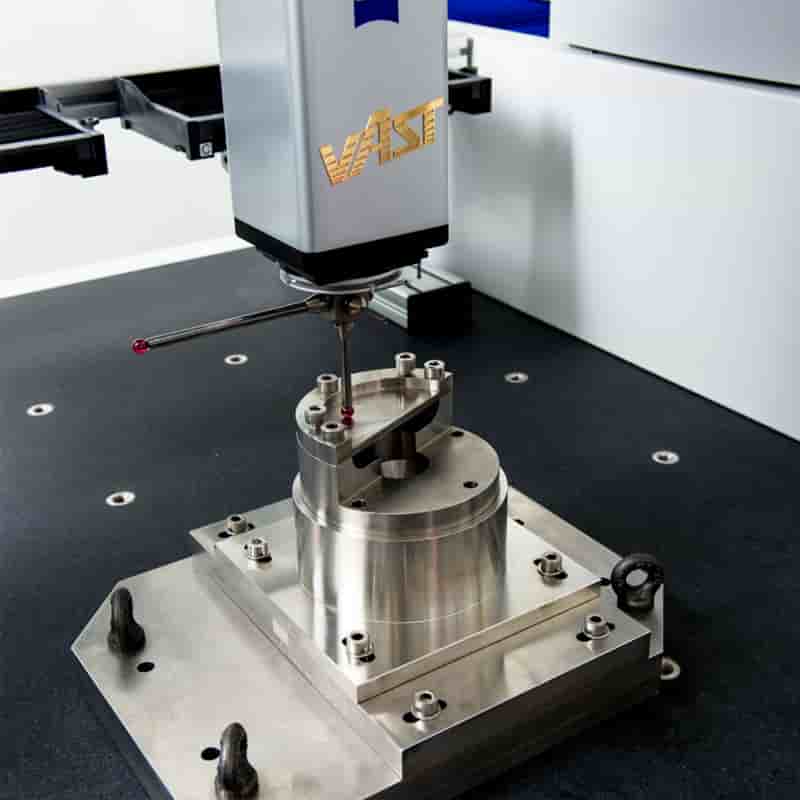
CMM coordinate measuring
A coordinate measuring machine verifies the 3D geometry of finished housings against drawing dimensions: hole positions and true position, bore diameters, depth, flatness, parallelism, perpendicularity and the relationship between mating datums. CMM reports are used for first-article approval and for batch consistency control, so the hundredth CNC machined housing matches the first approved sample.
Achievable dimensional accuracy and surface quality
The precision of a CNC machined aluminum housing is always governed by the drawing: general non-critical faces follow economical tolerances, while sealing faces, bearing bores, locating spigots and mating joints are machined to tighter bands. The capability overview below shows what is routinely achievable on aluminum 6061 and comparable alloys; final values are confirmed against your specific geometry and tolerance call-outs.
Linear dimensional accuracy
Overall housing length, width and height are held to tight, repeatable bands on finish-machined surfaces, with closer control on small critical features. Fixturing is planned around a single datum scheme so dimensions chain correctly across body and cover.
Bore and hole precision
Precision-bored housings, bearing seats and spigots are machined with reamed or bored finishes for roundness and consistent fit. Close sliding and interference fits are produced directly to the fit class specified on the drawing.
Geometric tolerances
Flatness on gasket and lid faces, parallelism between body floor and cover, perpendicularity of bores to mounting faces, concentricity of turned shells and true position of hole patterns are all controlled and CMM-verifiable.
Thread quality
Tapped and milled internal threads (coarse and fine metric, unified and custom pitches), threaded necks and helical-insert-ready holes are cut square to the face, with clean entry chamfers and full thread depth per drawing.
Surface roughness
As-milled aluminum housing faces reach a smooth, uniform finish suitable for most enclosures; fine finish passes, facing and polishing produce progressively lower roughness on sealing and cosmetic surfaces as the application demands.
Batch repeatability
First-article inspection locks machine offsets and inspection results before batch production, so prototype, pilot run and mass-production housings stay interchangeable and covers remain interchangeable across order repeats.
| Housing feature | Typically achievable range | How it is applied on a machined housing |
|---|---|---|
| General linear dimensions | ±0.02 – ±0.05 mm | Outer envelope, non-critical wall steps, clearance openings and general pocket layout. |
| Critical feature tolerance | ±0.005 – ±0.01 mm | Locating spigots, mating shoulders, register diameters and precision mounting faces. |
| Precision bore tolerance | IT6 – IT8 grade | Bearing seats, shaft passages, sensor bores and press-fit locations on housings. |
| Hole position tolerance | ±0.01 – ±0.03 mm | Bolt patterns, flange holes and port locations verified by CMM against the datum scheme. |
| Flatness of sealing face | 0.01 – 0.03 mm | Lid rabbets, O-ring groove lands and gasket faces used on waterproof housings. |
| Roughness as milled | Ra 1.6 – Ra 3.2 | Standard machined cavity walls, external faces and functional non-cosmetic surfaces. |
| Roughness after fine finishing | Ra 0.4 – Ra 0.8 | Fine-faced sealing surfaces, cosmetic faces prepared for anodizing or polishing. |
| Minimum practical wall thickness | from 0.5 – 1.0 mm | Thin walls and pockets are confirmed per alloy, depth and fixturing to avoid chatter. |
| Internal corner radius | from R0.5 upward | Pocket corners carry an end-mill radius; matching external ribs use the same radius for fit. |
| Thread and insert range | M2 – M24 and equivalents | Tapped holes, threaded necks, and holes prepared for self-clinching or helical inserts. |
Surface treatments for CNC machined aluminum housings
Surface treatment controls corrosion resistance, wear resistance, cosmetic appearance, emissivity and light reflection of a housing. Machining and finishing are coordinated in one workflow, with critical mating dimensions machined with the treatment layer thickness already compensated, so an anodized housing still assembles exactly as drawn.
Clear and color anodizing
Sulfuric anodizing builds a hard, uniform oxide layer in natural clear silver or dyed colors such as black, blue, red and gray. It is the most common finish for CNC machined 6061 electronics housings and adds wear and corrosion resistance with a clean matte or satin look.
Hard anodizing
A thicker, harder oxide layer for housings exposed to abrasion and heat, such as motor barrels, pump bodies and outdoor enclosures. Hard-anodized surfaces resist scuffing during repeated assembly and raise thermal emissivity.
Sand and bead blasting
Fine glass-bead or sand blasting removes tool marks and creates an even matte texture before anodizing, hiding minor machining lines and giving aluminum housings a premium, non-reflective surface.
Brushed and satin finishing
Directional brushing produces the fine linear grain seen on audio, amplifier and consumer-electronics housings. Grain direction and density can be aligned across body and cover for a consistent cosmetic face.
Mirror and mechanical polishing
Buffed high-polish or mirror finishes are used on decorative housings, bezels and optical shells. Polished areas can be left bright or protected under a clear anodized layer to slow oxidation.
Powder coating
A durable painted film in matte, satin or textured finishes and a wide color range. Powder-coated housings resist chipping and outdoor weathering, suited to rugged industrial and exterior equipment enclosures.
Laser marking and engraving
Permanent part numbers, port labels, orientation marks, logos and serial sequences are laser-etched onto machined or anodized housing faces without ink that can wear off in service.
Micro-arc oxidation
A ceramic-like oxide coating for housings needing high hardness, heat resistance and insulation, often selected for heavy-duty mechanical, marine and thermal-stress enclosure applications.
From drawing or sample to finished aluminum housing
Custom housings can be launched from engineering drawings, 3D models, or a physical sample when no drawing exists. In sample-based projects the part is measured, reconstructed into drawings and confirmed with the customer before any material is cut, so reverse-engineered housings still reach defined dimensions rather than copied guesswork.
Drawing or sample review
Drawings, models or samples are reviewed for critical dimensions, tolerance feasibility, wall thickness, corner radii, thread and finish requirements; samples are measured and redrawn for confirmation.
Material and blank planning
The alloy (6061 by default) and starting form are chosen — billet, saw-cut block, extrusion or die-cast blank — and blanks are sized to leave clean, uniform machining allowance on every face.
CNC programming and fixturing
Tool paths, clamping schemes and datum strategy are programmed so body, cover and internal features share one reference frame; soft jaws and dedicated fixtures protect thin walls and cosmetic faces.
Rough and finish machining
Roughing opens cavities and removes mass, stress-relieving steps keep thin housings stable, and finish passes on milling and turning equipment establish final dimensions, bores and threads.
Deburring and edge control
Every edge is deburred to the defined break or chamfer, cross-holes are blended, threads are cleaned and housings are checked for burrs that could interfere with seals, boards or assembly.
Surface treatment
Anodizing, blasting, brushing, powder coating or other selected finishes are applied with mating threads and precision bores protected or pre-compensated for coating thickness.
Dimensional and visual inspection
Calipers, micrometers, height gauges, 2D profile projector and CMM verify dimensions and geometry, while appearance is checked against the agreed finish and color standard.
Cleaning, packing and repeat supply
Housings are cleaned, dried and individually protected against scratching, then packed for transport; approved programs and inspection records are retained for consistent repeat orders.
From one prototype housing to high-volume production
Aluminum housing projects move through different quantity stages, and the manufacturing approach changes with each. Prototypes prioritize fast iteration from solid stock, while high-volume production uses optimized fixturing, multi-part setups and cast or extruded blanks to drive stable cycle time and unit cost.
Prototype: 1 – 10 pieces
Single-piece and small prototype runs machined directly from billet or block with no tooling investment. Ideal for fit checks, design verification and first samples built straight from the first drawing revision.
Low volume: 10 – 500 pieces
Pilot and low-volume batches with soft-jaw fixturing and first-article approval, allowing design refinements between runs while keeping housings fully interchangeable.
Mid batch: 500 – 5,000 pieces
Repeated batch production with optimized tool paths, multi-part work holding and scheduled in-process inspection to hold consistent dimensions and surface quality across the run.
High volume: 5,000+ pieces
Mass production built around die-cast or extruded near-net blanks, dedicated fixtures and standardized offset records, delivering repeatable housings with controlled cost on every order.
Design points for a machinable aluminum housing
A few design decisions made at the drawing stage greatly improve housing precision, cost and appearance. These points apply equally to CNC machined 6061 boxes and post-machined die-cast housings, and we review every one of them during the drawing or sample evaluation.
Wall thickness and pocket depth
Balanced wall thickness prevents distortion after machining; deep pockets keep generous corner radii so tools stay rigid and floor surfaces remain chatter-free.
Internal corner radii
Milled pocket corners are always radiused. Slightly larger radii allow stronger tools, faster cycles and smoother walls; matching radii on internal ribs guarantees assembly fit.
Hole and bore layout
Holes normal to the surface, sufficient edge distance and clearly defined fit classes make bores more accurate and avoid drill drift on thin housing walls.
Threads and inserts
Adequate thread engagement length, chamfered entries and helical or pressed inserts for frequent disassembly extend the service life of soft aluminum threads.
Sealing grooves
O-ring and gasket grooves need flat groove lands, controlled radii and defined compression; precise groove geometry is what makes a CNC machined waterproof housing truly seal.
Cooling fins and thermal floors
Integrated fins and flat thermal contact floors spread heat through the housing itself; uniform fin spacing also keeps machining forces balanced across thin structures.
Mounting features
Bosses, standoffs, dovetails, mounting ears and locating spigots should be designed from one common datum so the housing locates repeatably in the customer assembly.
Allowance on cast blanks
Aluminum die-casting housing blanks need machining allowance on every critical face, draft angles on deep walls, and gates or overflows placed away from cosmetic and sealing surfaces.
One workshop for custom aluminum housing machining
Custom housing work usually splits across suppliers — blank preparation, milling, turning, finishing and inspection — which adds lead time and blurs responsibility for final dimensions. Keeping these steps in one coordinated workflow means every feature of a CNC machined aluminum housing is controlled against the same drawing and the same approved first article.
Per drawing and per sample
Build directly from PDF, DWG, STEP or other model files, or reconstruct a housing from a supplied sample with measured drawings confirmed before production.
Any size, from miniature to large
Tiny sensor shells and handheld enclosures through to deep boxes, long profile housings and large flange-mounted bodies are handled on matched equipment.
All common aluminum starting forms
Billet, saw-cut block and plate, extruded profiles and aluminum die-casting blanks are all machined in-house, so blank choice follows cost and quantity — not supplier limits.
Tight, verifiable precision
Critical bores, faces and positions are machined to drawing and verified with profile projection and CMM measurement, with records available for first articles and batches.
Machining plus finishing together
Milling, turning, deburring, anodizing, blasting, brushing, powder coating and laser marking are coordinated so coating thickness never breaks the fit of mating parts.
Flexible quantity, stable repeats
One-off prototypes share the same datum logic and archived programs as mass-production runs, so reorders reproduce the approved CNC machined housing without redrawing.
Custom CNC machined aluminum 6061 housing, built exactly per drawing
Whether the project calls for a single CNC machined aluminum 6061 prototype housing or a high-volume series of post-machined aluminum die-casting housings, the same engineering logic applies: select the right alloy and blank, machine every functional feature to its specified tolerance, finish the surface for its service environment, and verify dimensions before packing. CNC milling and CNC turning cover box-shaped, cylindrical and complex-contoured enclosure geometry alike, from electronics housings, waterproof housings and heat-dissipating housings to sensor housings, motor housings, battery housings, communication housings and valve bodies.
Drawings and samples are both accepted as starting points, alloys range from 6061, 6063 and 7075 to 5052, 5083 and ADC12/A380 die-casting material, and finishes span clear and color anodizing, hard anodizing, bead blasting, brushing, polishing, powder coating and laser engraving. With prototype, low-volume, mid-batch and mass-production quantities all supported, a custom CNC machined aluminum housing can move from first sample to repeat supply without changing workshop, datum standard or quality baseline.