
OEM CNC Machined Aluminum Parts Per Specific Drawings in China
As a China-based custom machining workshop, we produce OEM CNC machined aluminum parts per specific drawings for industrial buyers, product designers and equipment builders worldwide. Whether a project is described as aluminum CNC machining in China, CNC machining aluminum per drawing, custom machined aluminum hardware or a long-term OEM machined aluminum component program, the working method stays the same: every dimension, tolerance, thread callout, edge condition and surface note on the drawing is reviewed before cutting, the correct aluminum alloy is selected, and the finished part is machined exactly as the file defines it.
We support both drawing-based and sample-based production. Customers can send STEP, IGES, X_T, SAT, DWG, DXF or PDF files, or simply send a physical sample when no drawing exists. In sample-based work, our engineers measure the part, reconstruct its geometry and turn it into a repeatable CNC production definition. Aluminum prototype machining for a single test piece, pilot runs for design verification and repeat batch orders are all handled on the same production line, so moving from one machined prototype to high-volume manufacturing does not require changing supplier.
The following sections explain the aluminum grades we machine under Chinese, North American, European and Japanese standards, the custom machined aluminum hardware produced most often, our milling, turning and precision measuring equipment, the surface treatments available for aluminum, and the way production quantities scale from a single piece to large repeat batches.
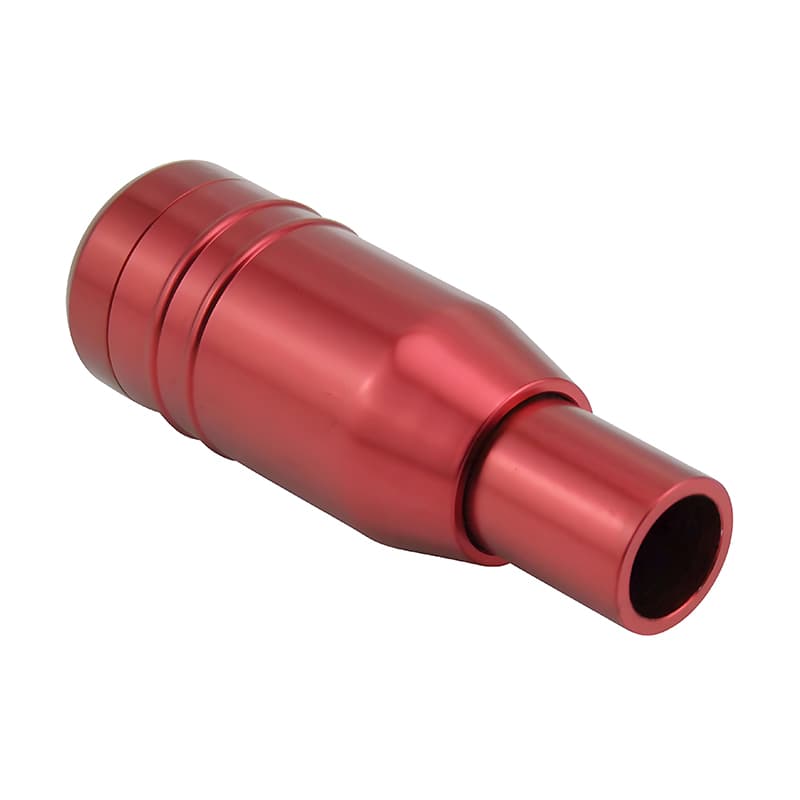
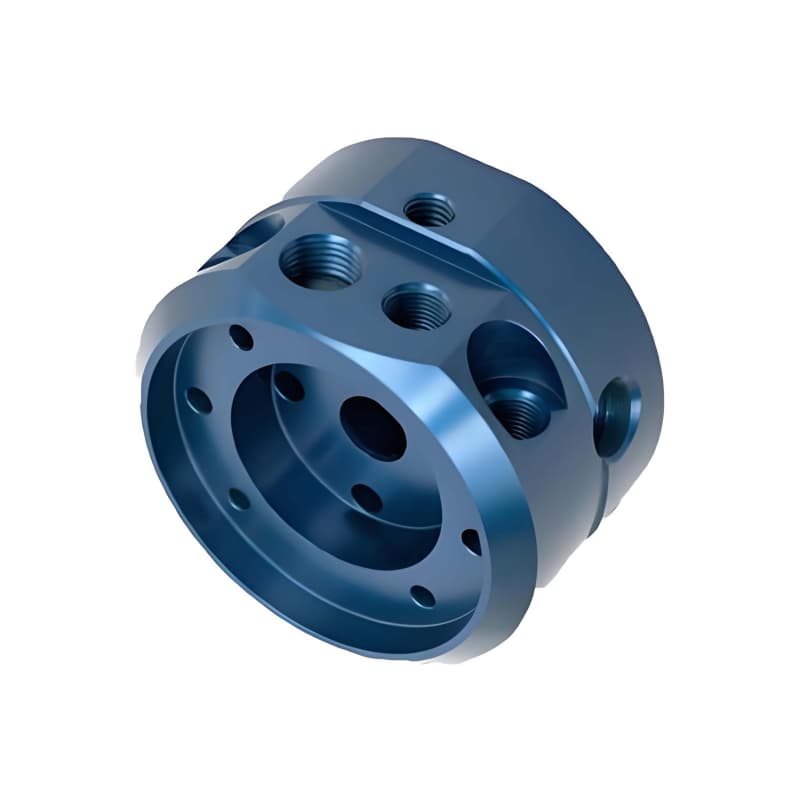
Machined Aluminum Parts Product Samples
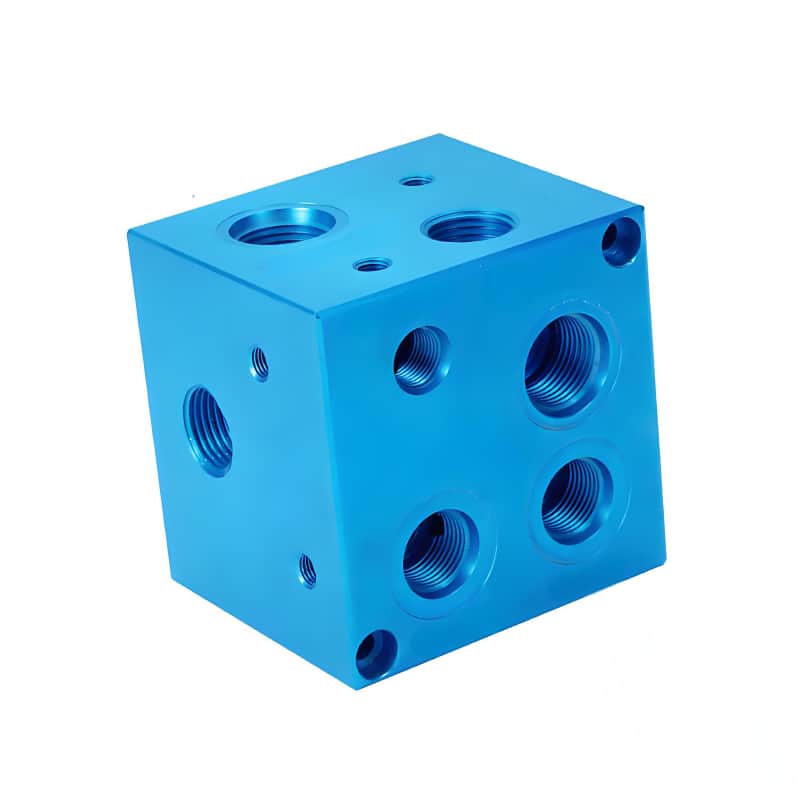
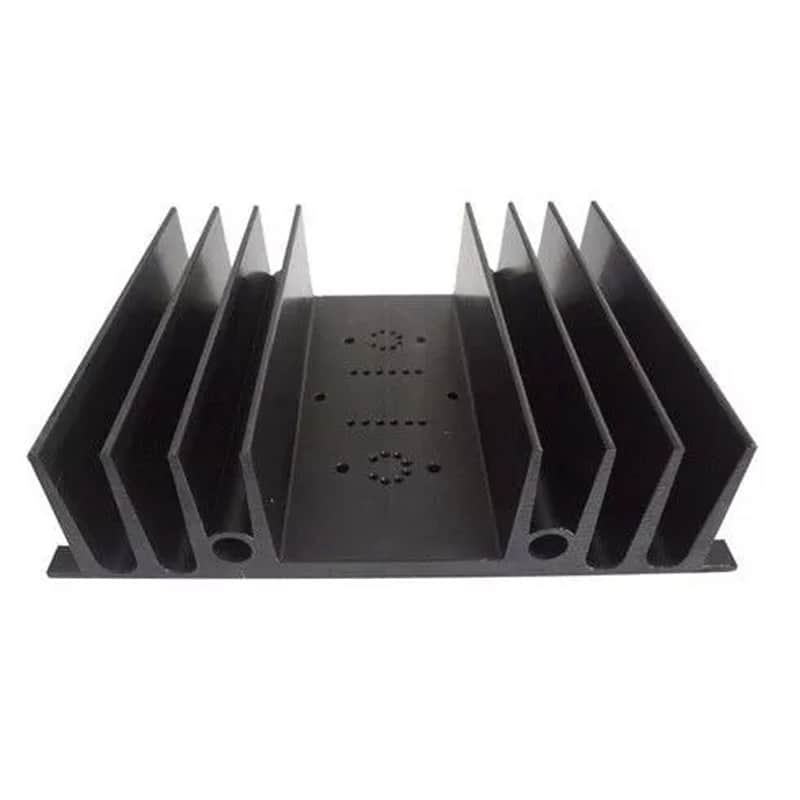
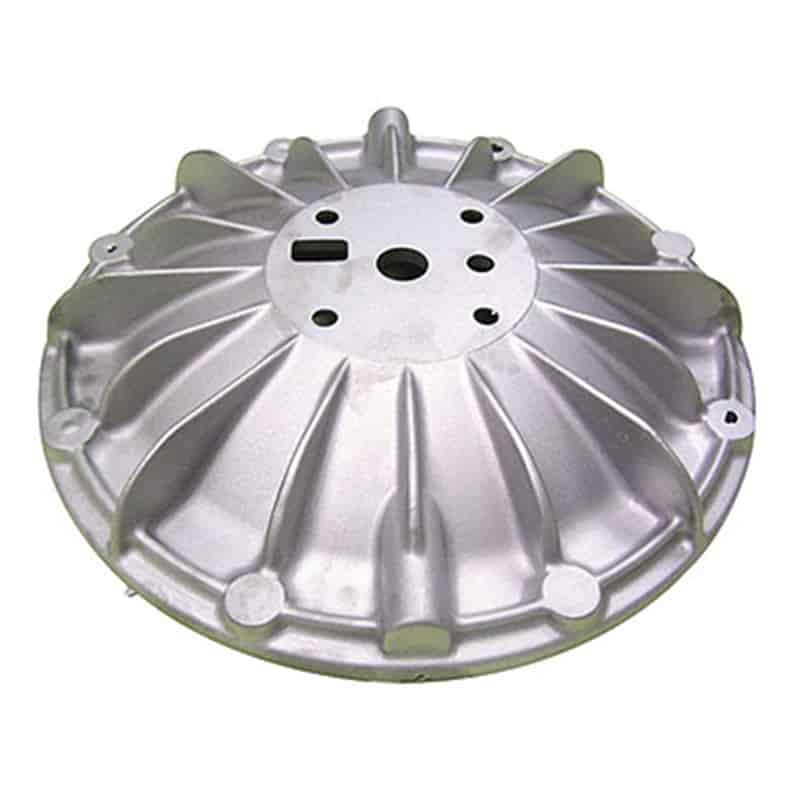
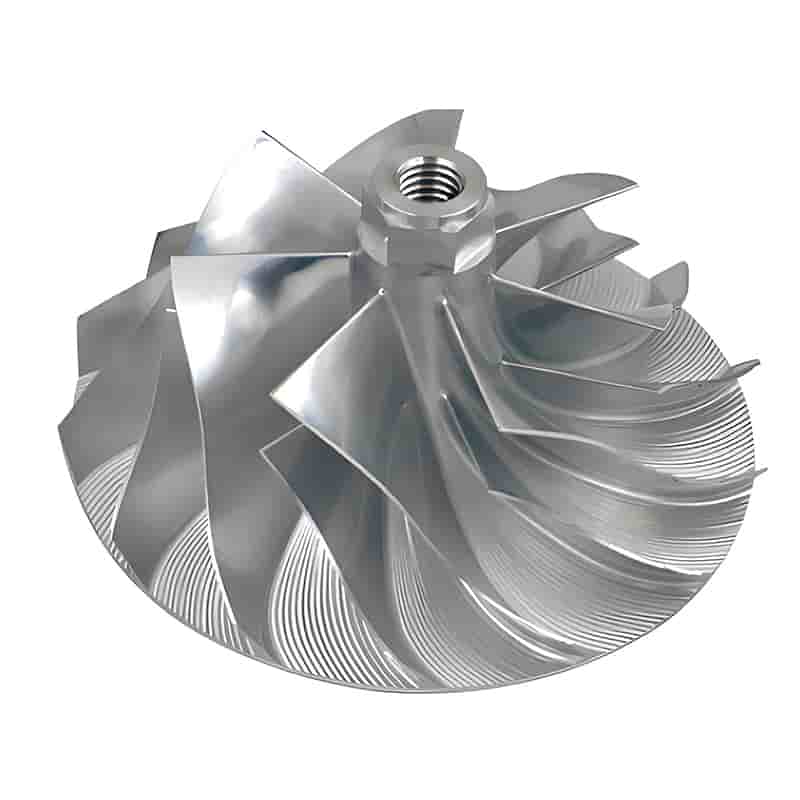
A selection of custom aluminum work produced from customer drawings and samples. Every item below is made to order rather than sold from a fixed catalog.
From Drawings and Samples to Finished Parts
CNC machining aluminum per drawing follows a controlled path from file review to repeatable production, and the same path applies when production starts from a physical sample.
Machining Per Customer Drawing
We machine strictly according to customer-supplied drawings. Accepted file formats include STEP, IGES, X_T, SAT, DWG, DXF and PDF, together with annotated hand sketches. Before any cut is made, each drawing is reviewed for dimensional tolerances, geometric tolerances, thread standards, fit clearances, surface roughness and edge-break notes, so the first machined piece already matches the design intent.
Machining From Physical Samples
When only a physical sample exists, we convert it into a manufacturable definition. Dimensions are captured with calipers, micrometers, height gauges, profile projectors and coordinate measuring equipment, critical features are cross-checked, and a drawing or 3D model is rebuilt before production. This route is commonly used for replacement parts, discontinued components and sample duplication, with or without design improvements.
Aluminum Prototype Machining
Aluminum prototype machining is available from a single piece. Prototypes help customers verify fit, assembly clearance, weight, anodized appearance and interface behavior before committing to volume orders. First-article pieces can be supplied with recorded dimensions for key features, allowing design engineers to confirm the drawing and correct small details before repeat orders are released.
Repeatable Batch Production
Every production order follows the same drawing-controlled setup, tooling plan and inspection points as the approved first article. This consistency is what allows an OEM machined aluminum component to move from prototype to small batch and then to high-volume production without drift in dimensions, thread behavior, surface quality or assembly performance across repeated deliveries.
Aluminum Grades Machined Under Common Material Standards
The same aluminum chemistry often appears under different grade numbers in Chinese, North American, European and Japanese standards. We always machine to the exact grade and temper named on the customer drawing.
Chinese GB / GB-T Aluminum Grades
Under the Chinese GB/T 3190 material system, we regularly machine 2A12, 3A21, 5A06, 5052, 5083, 6061, 6063, 6082, 7A04 and 7075 aluminum in tempers such as O, T4, T5, T6, T651 and H112. These grades cover welded structures, machined plates, extruded profiles and high-strength load-bearing parts. Typical orders include CNC machined 6061 aluminum mounting plates, CNC machined 6063 aluminum profile frames, CNC machined 2A12 aluminum structural brackets and CNC machined 5052 aluminum equipment panels.
North American AA / ASTM Aluminum Grades
Drawings using Aluminum Association and ASTM designations are produced in alloys including 2024, 3003, 5052, 5083, 5086, 6061, 6063, 6082 and 7075, with T6, T651, T7351, H32 and O tempers selected according to the specification. Frequent work includes CNC machined 7075 aluminum high-strength brackets, CNC machined 2024 aluminum load fittings, CNC machined 6061-T6 aluminum manifold blocks and CNC machined 6063 aluminum heat-dissipating profiles.
European EN Aluminum Grades
European drawings use EN AW designations such as EN AW-2024 (AlCu4Mg1), EN AW-5083 (AlMg4.5Mn0.7), EN AW-5754, EN AW-6061, EN AW-6063, EN AW-6082 (AlSi1MgMn) and EN AW-7075 (AlZn5.5MgCu). We match both the material number and the temper called out on the drawing, producing custom CNC machined aluminum machine components, CNC machined EN AW-6082 structural plates and CNC machined EN AW-5083 welded assemblies for European equipment builders.
Japanese JIS Aluminum Grades
For JIS-specified projects we machine A1100, A2024, A3003, A5052, A5056, A5083, A6061, A6063 and A7075 materials in the required temper. Common components include CNC machined A5052 aluminum panels, CNC machined A6061 aluminum jigs and fixtures, CNC machined A7075 aluminum moving parts and CNC machined A5056 aluminum mechanical parts for precision equipment, automation lines and electronic devices.
Custom Machined Aluminum Hardware We Produce
The groups below cover the components machined most frequently. Dimensions, threads, holes, pockets, radii and finishes are all defined by the buyer drawing, not by a fixed product catalog.
Brackets, Plates and Base Plates
Mounting brackets, fixture plates, gussets, base plates and adapter plates are among the most common CNC machined aluminum parts. Typical examples include CNC machined 6061 aluminum mounting bracket, CNC machined aluminum fixture plate, custom CNC machined aluminum base plate and CNC machined 7075 aluminum reinforcement plate, with milled pockets, counterbored holes and tapped holes often completed in one setup.
Housings, Enclosures and Boxes
We mill and turn aluminum housings for electronics, sensors, motors and junction boxes, including CNC machined 5052 aluminum enclosure, custom CNC machined aluminum electronics housing, CNC machined aluminum junction box and CNC machined 6061 aluminum instrument case, complete with machined sealing grooves, connector holes and panel cutouts.
Flanges, Adapters and Fittings
Round and irregular flanges, threaded adapters, couplings and connector fittings are produced by combined milling and turning: CNC machined aluminum flange, custom CNC machined aluminum adapter fitting, CNC machined 6061 aluminum threaded connector and CNC machined aluminum hose fitting, with NPT, G, BSP, metric and unified threads cut to the drawing.
Manifold Blocks and Valve Bodies
Hydraulic and pneumatic manifold blocks require intersecting drilled channels, O-ring grooves and precise port locations. We produce CNC machined 6061 aluminum hydraulic manifold block, custom CNC machined aluminum valve block, CNC machined aluminum pneumatic manifold and CNC machined aluminum fluid distribution block with deburred cross-holes and clean internal passages.
Heat Sinks and Cooling Parts
Heat sinks, cold plates, cooling fins and LED mounting plates are machined from 6061, 6063 and 1060 series aluminum: CNC machined aluminum heat sink, custom CNC machined aluminum liquid cold plate, CNC machined aluminum finned cooling plate and CNC machined aluminum LED base plate, with controlled flatness on thermal contact surfaces.
Spacers, Sleeves and Shafts
Turned and mill-turned round parts include spacers, standoffs, sleeves, bushings, pins and small shafts: CNC machined aluminum spacer, custom CNC machined aluminum sleeve, CNC turned aluminum bushing, CNC machined aluminum threaded standoff and CNC machined aluminum drive shaft, with concentricity and surface roughness controlled per the drawing.
Impellers, Rotors and Wheels
Rotating parts such as impellers, fan wheels, pulleys and rotors are machined from 6061, 2024 and 7075 plate or billet: CNC machined aluminum impeller, CNC machined 7075 aluminum rotor, custom CNC machined aluminum pulley and CNC machined aluminum fan wheel, often using 4-axis indexing for balanced blade geometry.
Panels, Knobs and Handles
Control panels, front panels, knobs, handles and decorative trim combine functional machining with cosmetic finishing: CNC machined aluminum front panel, custom CNC machined aluminum control knob, CNC machined aluminum handle grip and CNC machined aluminum name plate, followed by brushing, anodizing or laser marking as specified.
Machining and Inspection Capabilities
Milling and turning form the parts; optical and coordinate measurement confirm that the finished geometry matches the drawing.
CNC Milling
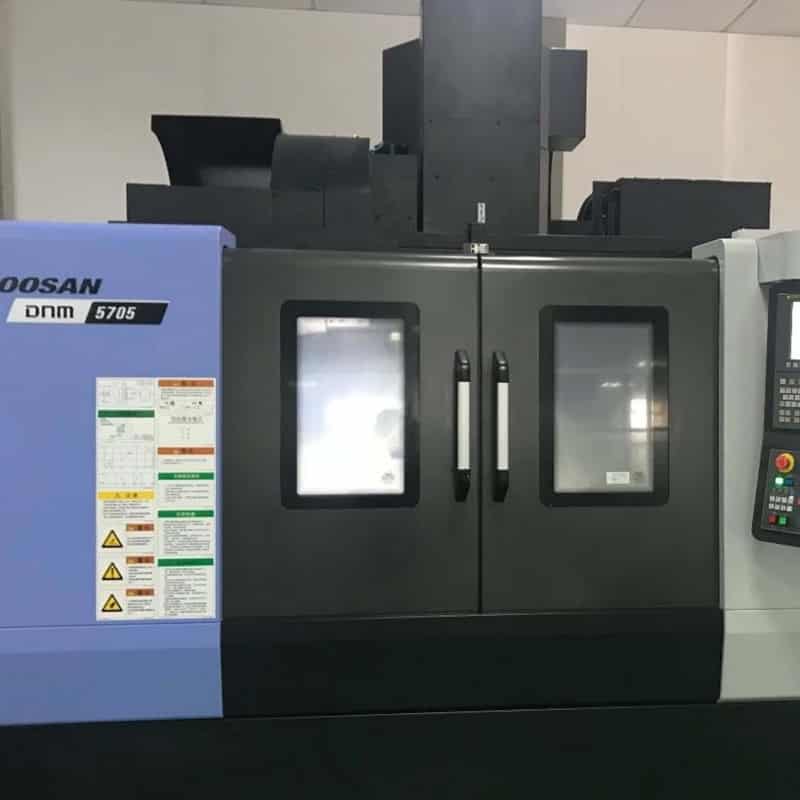
3-axis and 4-axis CNC milling centers process plates, blocks, housings and complex contours, covering face milling, pocket milling, profiling, drilling, reaming and tapping, often in a single clamping setup to protect positional accuracy.
CNC Turning
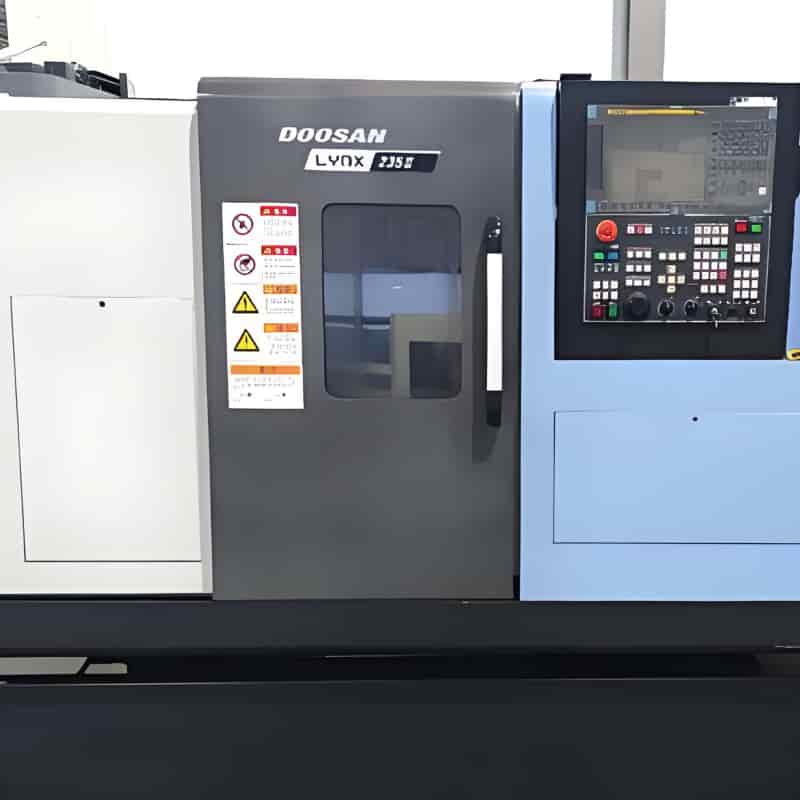
CNC lathes and mill-turn centers produce shafts, sleeves, bushings, fittings, spacers and flanges. Live tooling adds cross holes, flats, keyways and milled features without moving the part to a second machine.
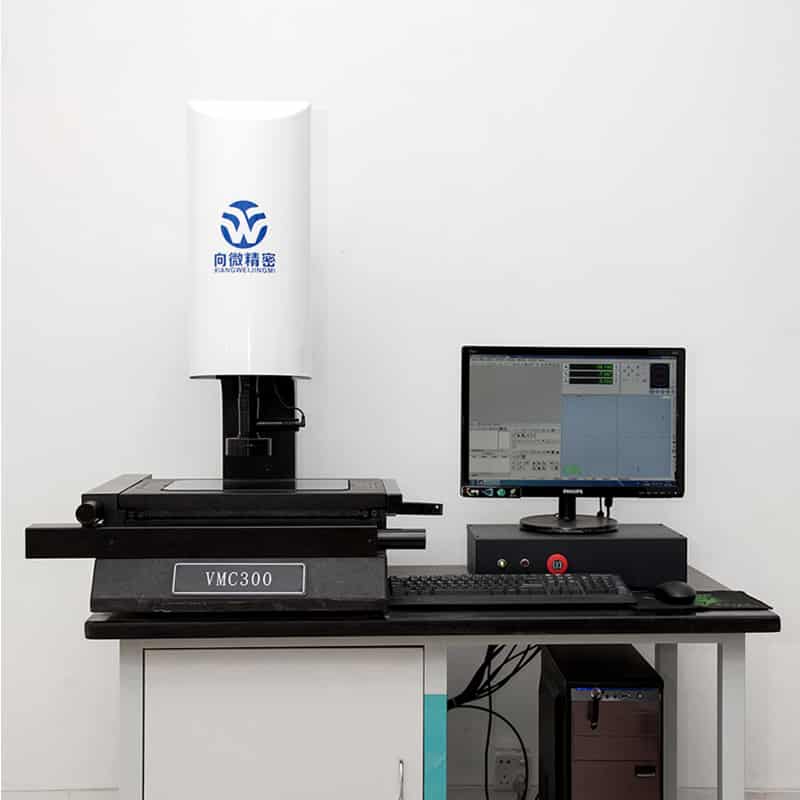
2D Profile Projector Measuring
A 2D optical profile projector magnifies small profiles, radii, chamfers, angles and thread forms for fast comparison with the drawing, supporting first-article checks and in-process inspection of small turned and milled features.
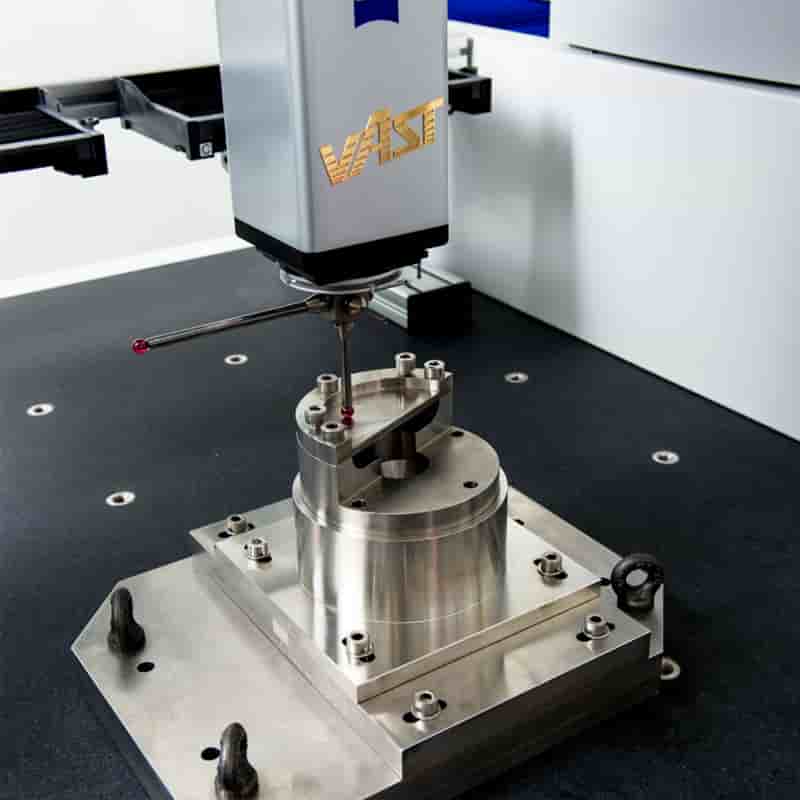
CMM Inspection
Coordinate measuring machines capture three-dimensional point data to verify position, true position, flatness, parallelism, perpendicularity and other geometric tolerances defined on the customer drawing.
Aluminum Surface Treatments and Finishes
Surface treatment changes corrosion resistance, wear resistance, appearance and surface emissivity. Finishing is planned before machining so that layer thickness does not push critical dimensions out of tolerance.
Clear and Color Anodizing
Sulfuric anodizing builds a hard aluminum oxide layer that can be left natural clear or dyed black, blue, red, gold, gray and other colors. Ordinary decorative anodizing is commonly specified at roughly 5 to 25 micrometers, and the porous layer holds dye evenly on CNC machined aluminum panels, knobs and frames.
Hard Anodizing
Hardcoat anodizing produces a thicker, denser oxide layer, commonly specified from around 25 to 50 micrometers or thicker. It suits sliding and wear-loaded surfaces such as cylinders, guides, pistons and custom CNC machined aluminum moving components.
Powder Coating
Electrostatic powder coating forms a uniform, impact-resistant colored skin in RAL or custom colors. It is widely used on outdoor panels, equipment frames, protective covers and CNC machined aluminum brackets that need a durable, non-metallic appearance.
Sandblasting and Bead Blasting
Glass bead blasting and fine sand blasting create a uniform matte texture, hide machining tool marks and prepare the surface before anodizing, painting or powder coating. Blasted aluminum has a soft, consistent look suited to cosmetic housings.
Brushing and Mechanical Polishing
Brushed satin finishes show controlled directional lines, while buffing and mechanical polishing reach a near-mirror gloss. Both are common on CNC machined aluminum front panels, handles, trim strips and decorative hardware before anodizing or chemical protection.
Chemical Film / Conversion Coating
Chromate or chromate-free conversion film keeps the aluminum surface electrically conductive while improving corrosion resistance. It is often selected for electronic enclosures, grounding parts and assemblies that require low electrical contact resistance.
Electroplating on Aluminum
After suitable pre-treatment, aluminum can be plated with nickel, tin, zinc or chromium for wear resistance, solderability or decorative requirements. Plating thickness is planned together with the drawing tolerances of mating parts.
Laser Marking and Engraving
Serial numbers, part numbers, material marks, orientation marks and logos can be laser-engraved with adjustable depth and contrast. Because laser marking adds no coating thickness, it does not affect the dimensions of the CNC machined aluminum component.
From One Single Piece to Large-Volume Production
The same drawing, material and inspection logic applies at every quantity, so parts remain interchangeable when orders grow.
Single Piece and Prototype: 1 to 10 Pieces
One-off aluminum prototype machining supports fit checks, exhibition samples, function tests and design verification. No mold or dedicated tooling investment is required, and design changes can be applied quickly between iterations.
Small Batch: 10 to 500 Pieces
Pilot and bridge production serves field testing, assembly trials and early market supply. Fixtures and cutting parameters are kept identical to later volume runs, so pilot parts behave exactly like future mass-production parts.
Medium Batch: 500 to 5,000 Pieces
Optimized fixturing, grouped machine setups and scheduled in-process inspection balance lead time and unit cost for growing product programs, while every batch is still checked against the same drawing dimensions.
High Volume: 5,000 Pieces and Above
Repeatable CNC production uses fixed machining parameters, batch-level inspection records and standardized packaging for stable long-term supply of OEM machined aluminum components across repeated export orders.
Industries Using Our CNC Machined Aluminum Parts
Drawing-based aluminum machining serves a wide range of equipment fields, each with its own typical parts and finishing habits.
Industrial Machinery
Jigs, fixtures, guide plates, mounting blocks, machine accessories and custom CNC machined aluminum structural parts for production lines and automated equipment.
Automotive and Racing
Custom CNC machined aluminum racing brackets, adapters, pedal components, engine accessories, shift parts and lightweight mounting hardware.
Hydraulics and Pneumatics
CNC machined aluminum manifold blocks, valve bodies, cylinder parts, port adapters and fluid distribution plates with precise internal channels.
Electronics and Telecommunications
CNC machined aluminum enclosures, front panels, heat sinks, shielding frames and custom machined aluminum hardware for communication devices.
Medical and Laboratory Equipment
Instrument frames, equipment trays, support brackets, precision housings and aluminum prototype machining parts for laboratory devices.
Robotics and Automation
Robot arm plates, sensor mounts, coupling components, motion brackets and lightweight custom CNC machined aluminum moving structures.
Marine and Outdoor Equipment
5083 and 5052 corrosion-resistant brackets, deck fittings, weatherproof housings and outdoor mounting parts exposed to moisture.
LED Lighting and Renewable Energy
LED heat sinks, liquid cold plates, mounting rails, solar hardware and CNC machined aluminum thermal parts with controlled flatness.
Drawing Information Needed for Accurate Aluminum Machining
For accurate CNC machining aluminum per drawing, a complete information package usually contains a 3D model in STEP, IGES or X_T format, a 2D drawing with tolerances and surface requirements, the aluminum grade and its material standard, the required quantity, the preferred surface treatment and any packaging or marking requirements. When only a sample exists, clear photographs, measured overall dimensions and notes about the working environment help engineers reconstruct the part correctly and choose a suitable alloy.
Every order of custom machined aluminum hardware is treated as a drawing-specific project. The raw aluminum grade and temper are recorded for each production batch, key dimensions are measured against the drawing before shipment, and burrs, sharp edges and machining oil residue are removed so parts arrive ready for assembly. For buyers comparing aluminum CNC machining in China, the combination of broad grade coverage across GB, AA/ASTM, EN and JIS systems, a full range of anodizing and other surface finishes, aluminum prototype machining that scales smoothly into volume production, and strict drawing-controlled manufacturing provides a stable basis for long-term OEM supply of CNC machined aluminum parts of every shape and complexity.