
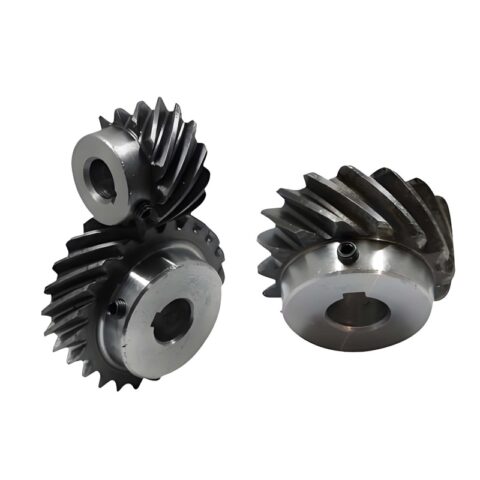
OEM CNC machined gear per customer’s drawings
Custom gear manufacturing, CNC gear machining service, crossed axis helical gear, helical bevel gear, crossed axis bevel gear, industrial gear, custom gear fabrication
OEM CNC machined gear per customer’s drawings
For original equipment manufacturers and engineering teams across power transmission, industrial automation, mining, marine, aerospace, and material handling sectors, gears that perfectly match design specifications are the foundation of reliable, high-performing machinery. Our company delivers end-to-end OEM CNC machined gear solutions produced strictly to customer-provided drawings, turning your precise design requirements into fully functional, precision-engineered gear components. With deep domain expertise in gear geometry, material engineering, and advanced CNC manufacturing, we cater to every project need from custom one-off prototypes to full-scale mass production, ensuring every gear meets your exact dimensional, load, and operational standards.
Comprehensive Range of Custom Gear Types
Our manufacturing portfolio covers a full spectrum of gear configurations to suit diverse motion and power transmission needs, all produced to customer drawings via CNC precision machining.
Spur gears, the most common parallel-axis gearing solution, are widely used in conveyors, machine tools, and gearboxes due to their simple design, high efficiency, and straightforward manufacturing. We produce spur gears with customizable tooth counts, pressure angles, and face widths to meet specific speed and torque requirements, with options for standard or fine pitch designs based on application demands.
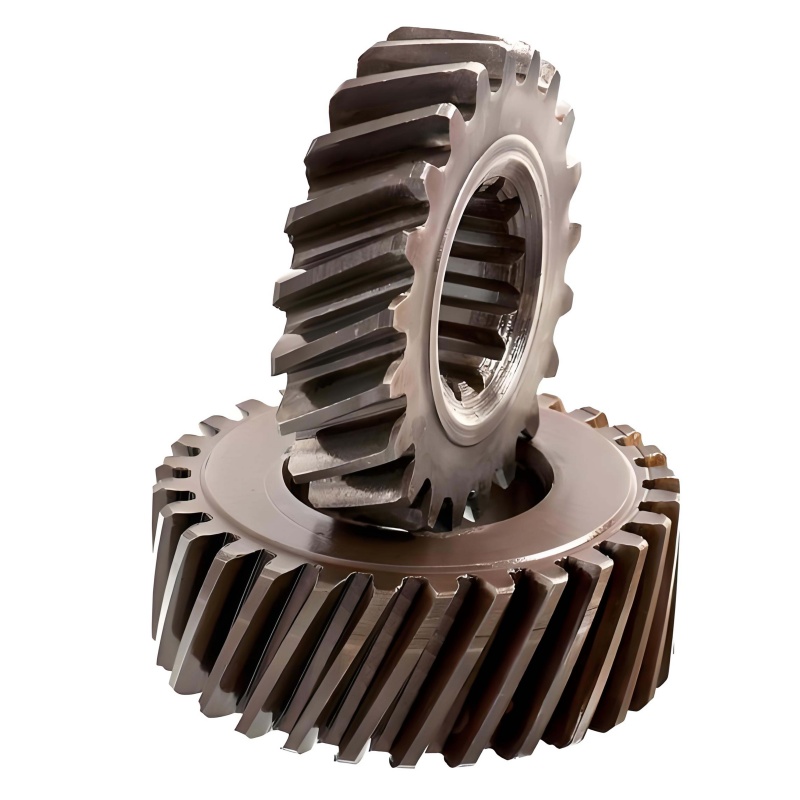
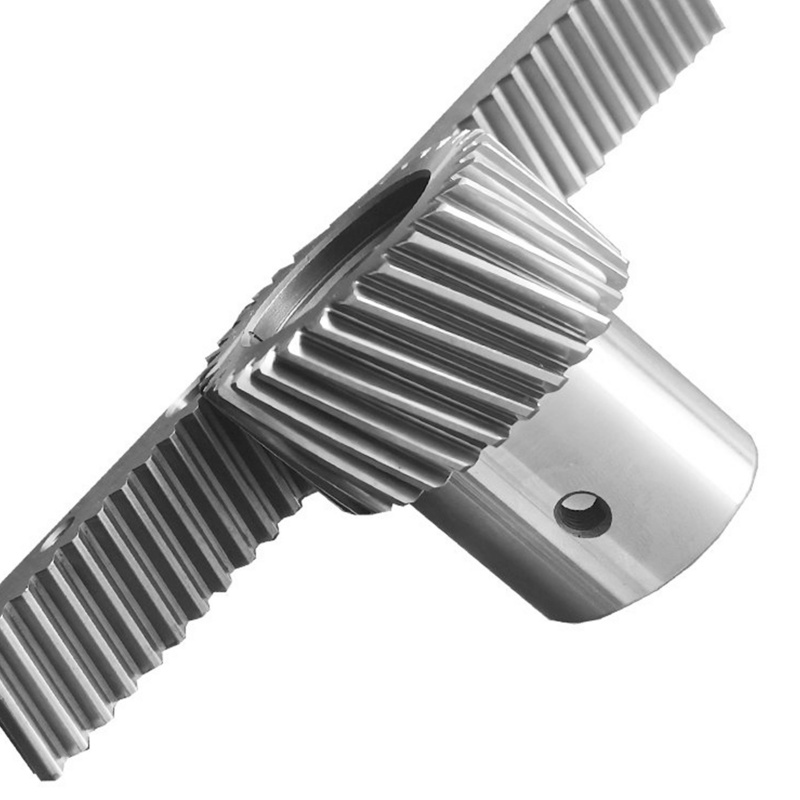
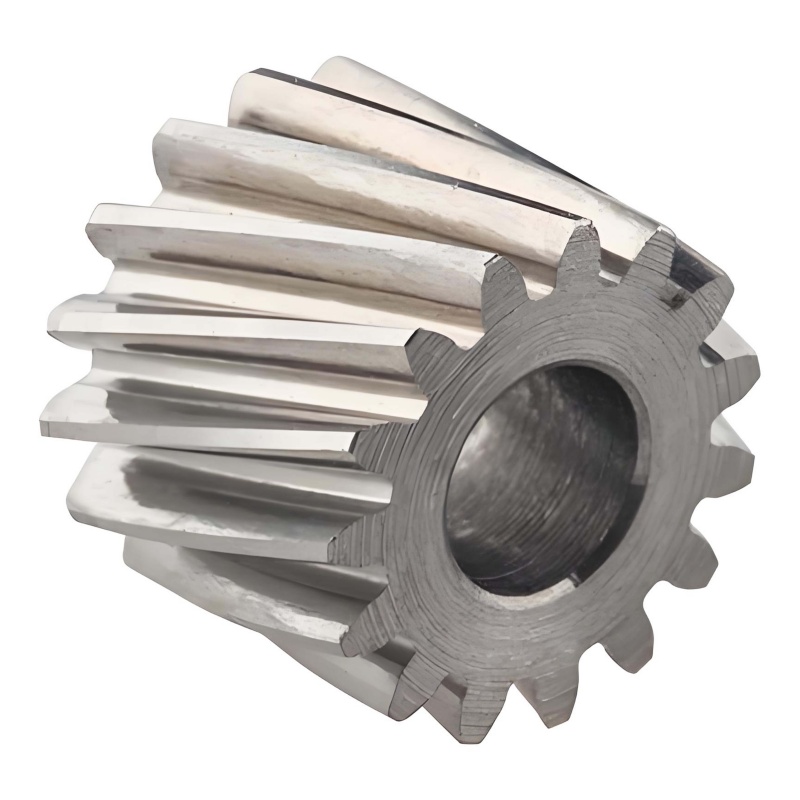
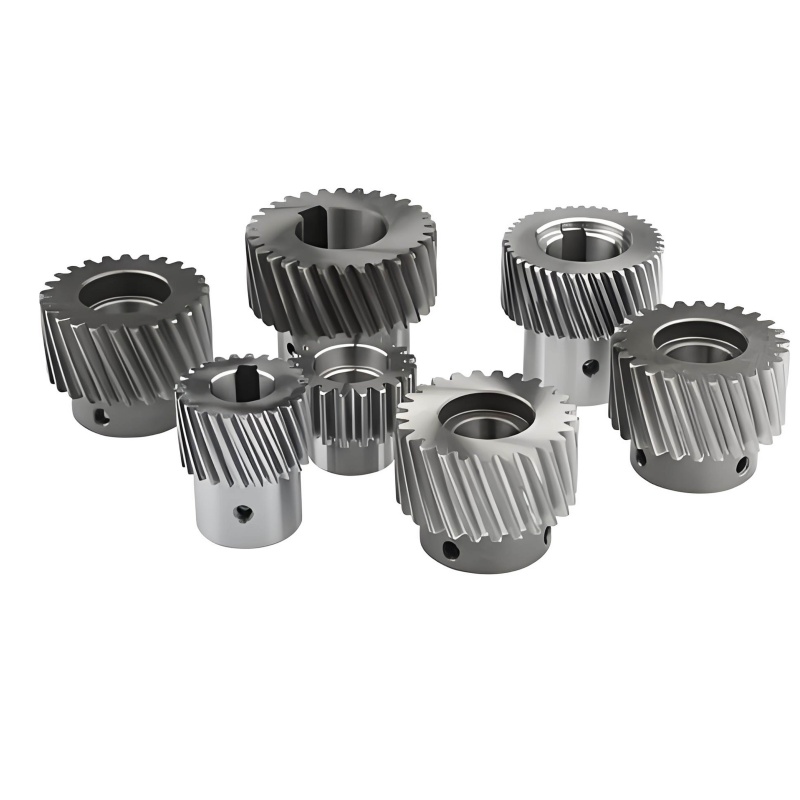
Helical gears operate with smoother engagement and lower noise levels compared to spur gears, making them ideal for high-speed, heavy-load applications such as automotive transmissions, industrial gear units, and wind turbines. Our helical gears can be manufactured with left-hand or right-hand helix angles, optimized for both parallel shaft arrangements and specific load distribution targets, with tooth contact patterns engineered to minimize surface wear and maximize power transfer efficiency.
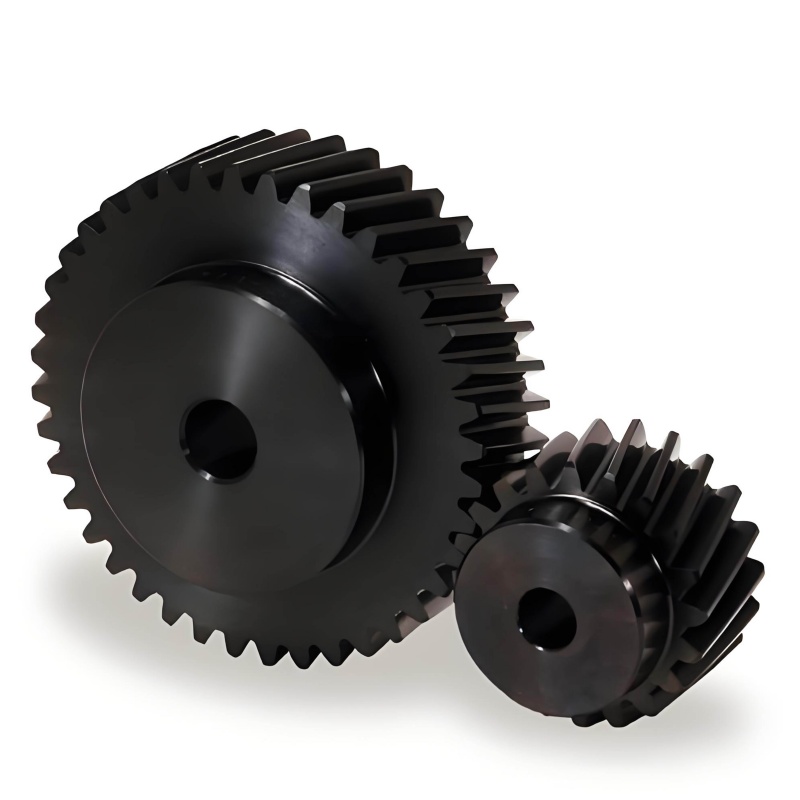
Crossed axis helical gears, also known as screw gears, transmit motion between non-intersecting, non-parallel shafts. They are valued for their quiet operation and compact design in applications where space constraints prevent parallel or intersecting shaft layouts, such as packaging machinery, textile equipment, and small power transmission systems. We can adjust helix angles and tooth profiles to optimize load capacity and reduce sliding wear for crossed axis operating conditions.
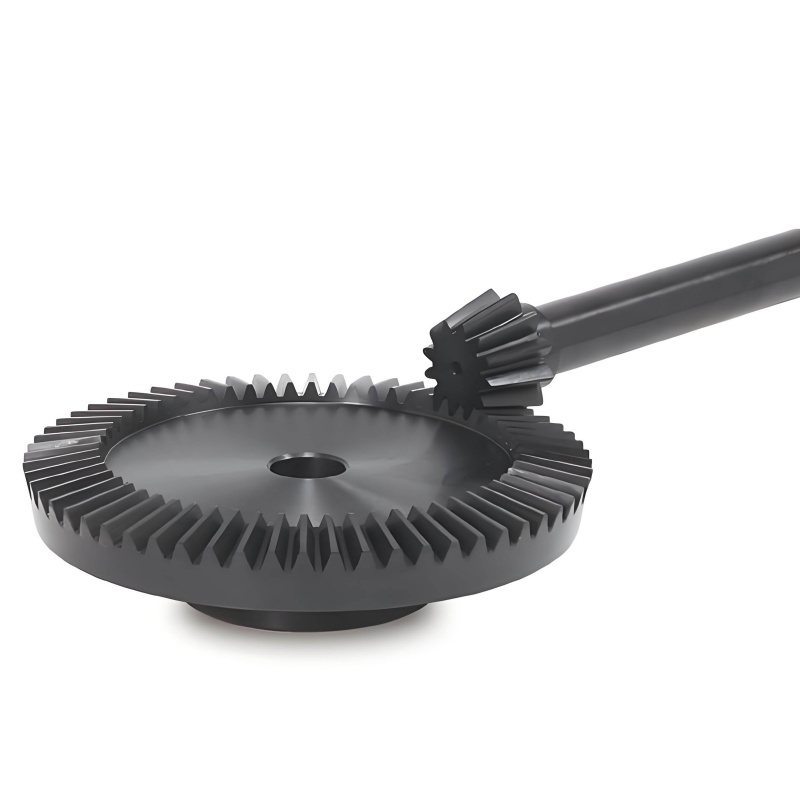
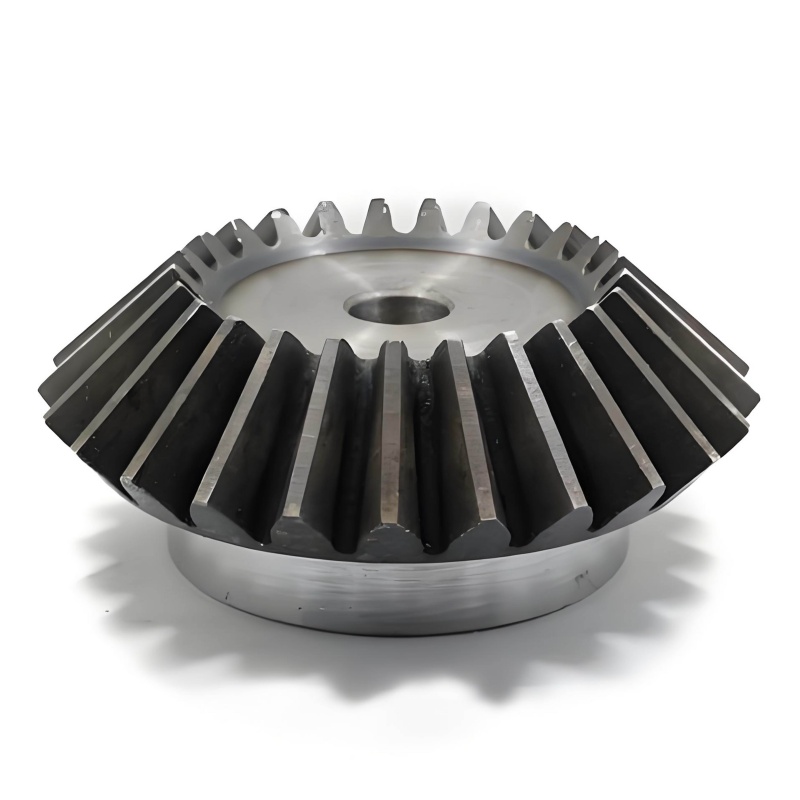
Bevel gears are designed to transfer power between intersecting shafts, typically at 90-degree angles, and are commonly found in differential drives, agricultural machinery, and machine tool spindles. We produce straight bevel gears as well as more advanced configurations to match customer load and speed profiles, with options for different pitch angles and tooth counts to accommodate specific shaft orientation requirements.
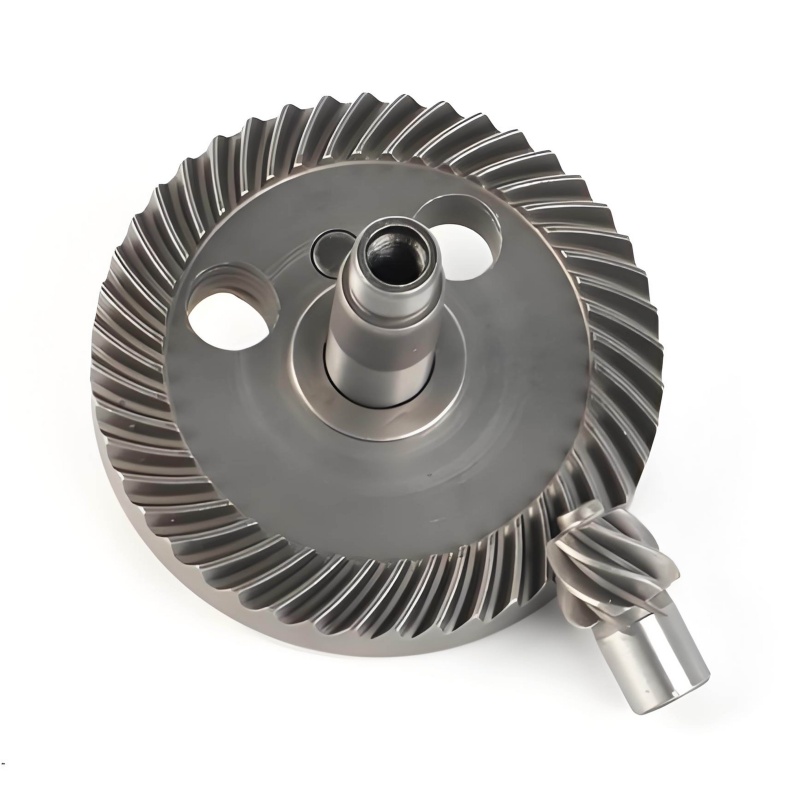
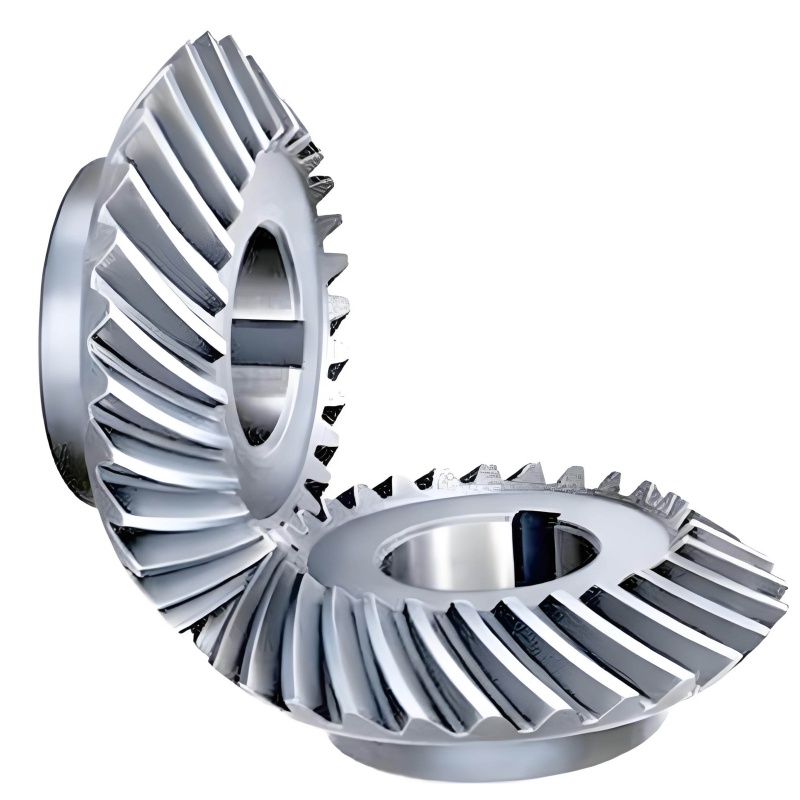
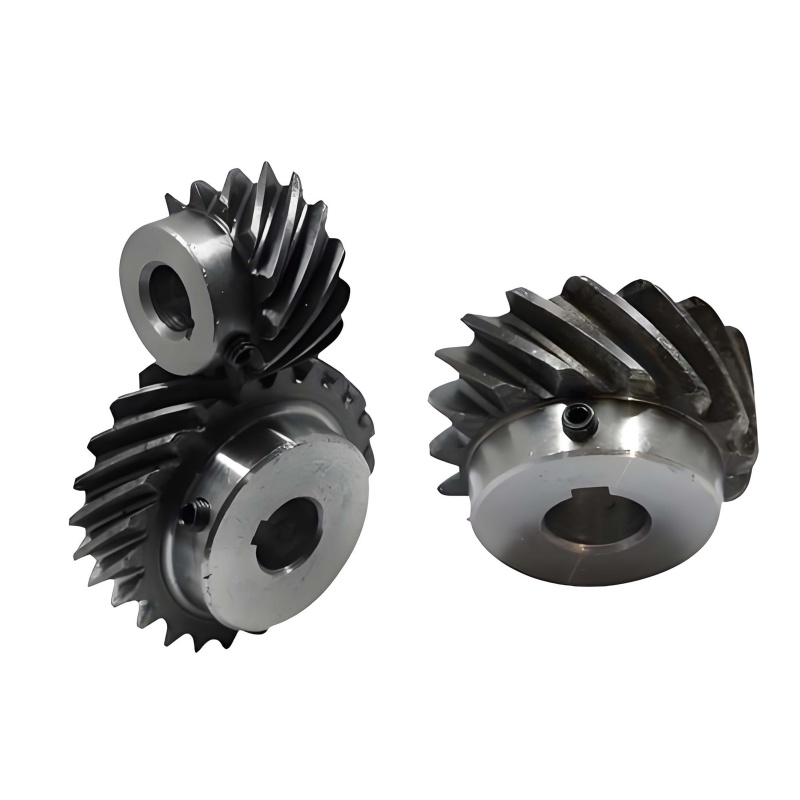
Helical bevel gears combine the angled tooth design of helical gears with the intersecting shaft geometry of bevel gears, delivering gradual tooth engagement, reduced vibration, and higher load capacity than straight bevel gears. They are the preferred choice for high-torque, high-speed applications including automotive differentials, marine propulsion systems, and heavy industrial gearboxes, where smooth power delivery and operational reliability are critical priorities.
Crossed axis bevel gears enable power transmission between shafts that are neither parallel nor intersecting, offering greater flexibility in equipment layout design for construction machinery, mining equipment, and large material handling systems. Our crossed axis bevel gears are engineered with precise tooth contact patterns to ensure even load distribution and extended service life under heavy working conditions.
Worm gears and worm shafts form a compact, high-reduction gearing system consisting of a cylindrical worm and a mating worm wheel. This configuration provides large speed ratios in a small footprint, along with inherent self-locking capabilities that make it suitable for conveyors, elevators, indexing mechanisms, and heavy lifting equipment. We manufacture both worm shafts and matched worm gear sets with precise lead angles and tooth contact patterns for optimal wear resistance and transmission efficiency.
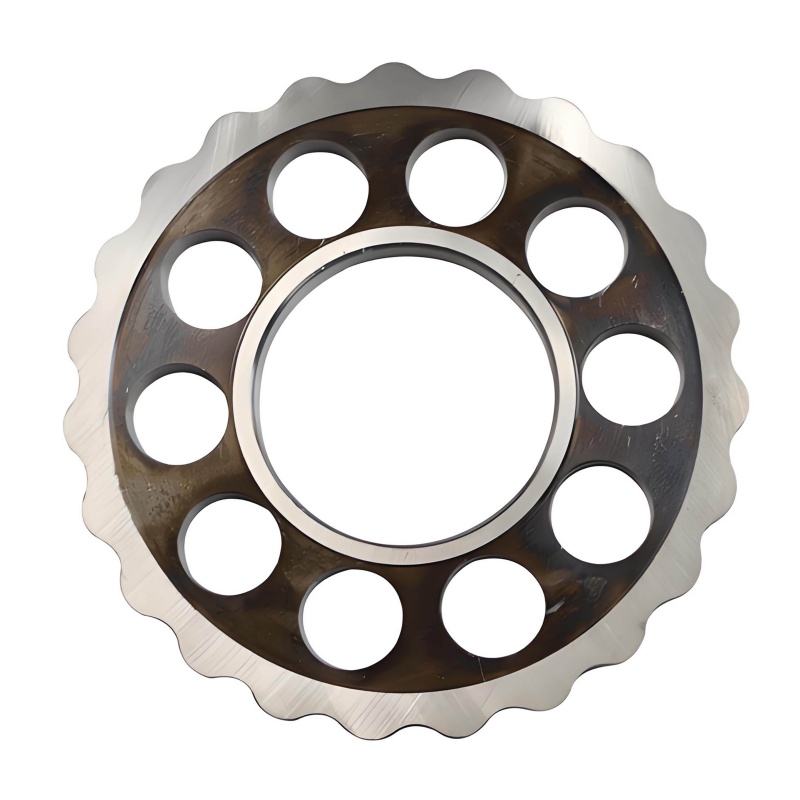
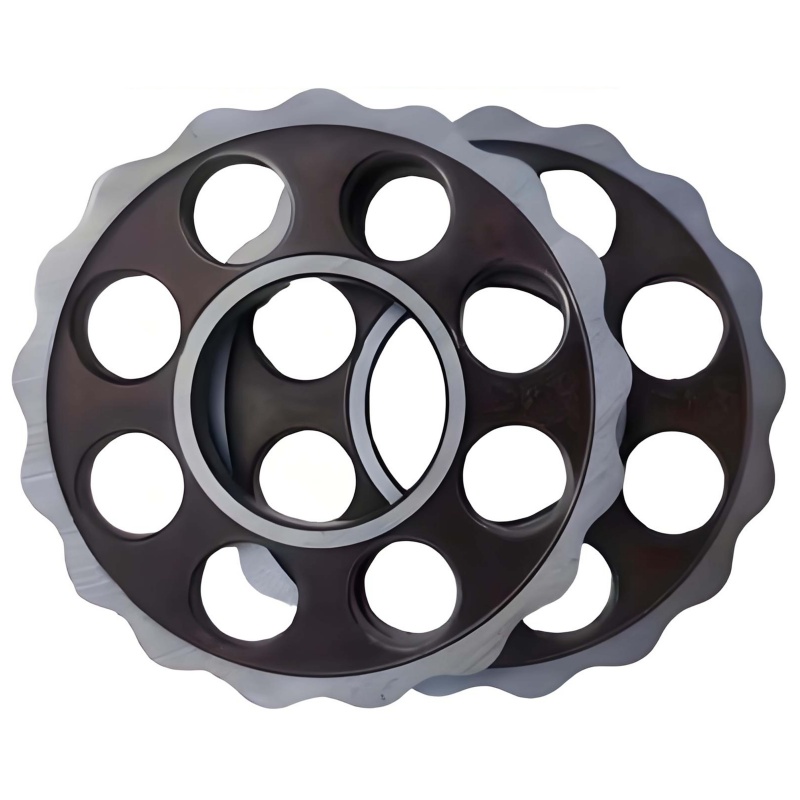
Profile shifted gears, also known as addendum modified gears, feature adjusted tooth profile positions to increase tooth strength, avoid undercutting in small tooth counts, or adjust center distance between mating gears without changing tooth count or module. This design flexibility makes them widely applied in heavy-duty gearboxes, planetary drives, and applications where standard center distances do not align with existing design constraints. We can calculate and implement precise profile shift coefficients based on customer drawing requirements to achieve targeted performance characteristics.
Common Materials for Custom Gear Manufacturing
Selecting the appropriate material is essential to ensuring gear performance, durability, and compatibility with operating conditions. We work with a broad range of engineering materials, all selected and processed based on customer specifications and application demands.
Carbon steels are the most widely used material for general-purpose and heavy-duty gears due to their excellent strength, toughness, and machinability, paired with cost-effective pricing. Common grades include 1045 medium carbon steel, which offers good strength and wear resistance after quenching and tempering, and higher strength options such as 4140 and 4340 alloy steels that deliver enhanced impact resistance and fatigue strength for high-load, high-cycle applications like mining machinery and industrial gearboxes. Carbon steel gears can be heat treated to achieve specific surface hardness and core toughness values aligned with customer requirements.
Stainless steels are chosen for applications requiring corrosion resistance, sanitary operation, or exposure to moisture, chemicals, or extreme temperatures. Grades such as 304 and 316 austenitic stainless steel provide excellent corrosion resistance for food processing equipment, marine applications, and chemical processing machinery, while 17-4 PH precipitation hardening stainless steel delivers high strength and hardness comparable to alloy steels, making it suitable for aerospace and high-performance industrial gears operating in challenging environments.
Copper alloys, primarily leaded bronze and phosphor bronze, are the standard material for worm wheels in worm gear assemblies due to their low friction coefficient, excellent wear resistance, and anti-seizing properties when paired with steel worm shafts. Brass gears are also produced for low-load, corrosion-resistant applications in instrumentation, control valves, and consumer equipment where non-magnetic or decorative properties are required.
Cast iron materials, including gray cast iron and ductile (nodular) cast iron, offer good damping capacity, excellent machinability, and stable dimensional properties. Gray cast iron is commonly used for large, low-speed gears in heavy machinery where vibration damping is critical, while ductile iron provides higher strength and toughness comparable to steel, making it suitable for gear housings and medium-load power transmission gears that require impact resistance.
Additional material options include aluminum alloys for lightweight, low-load applications where weight reduction is a priority, and engineered plastics such as POM, PA66, and PEEK for noise reduction, corrosion resistance, and self-lubricating properties in specialized light-duty equipment and food processing machinery. All material selections are made in strict accordance with customer drawing requirements and application performance criteria.
Precision Machining Processes for Gear Production
We employ a full suite of CNC machining and dedicated gear manufacturing processes to produce gears with tight dimensional tolerances, accurate tooth geometry, and consistent surface quality. Every process is controlled and optimized based on gear type, material, volume, and precision requirements specified in customer drawings.
CNC turning is the primary process for manufacturing gear blanks, producing precise outer diameters, bore sizes, keyways, and face dimensions before tooth generation. Our CNC lathes handle both small and large diameter blanks with consistent concentricity and surface finish, ensuring a stable and dimensionally accurate foundation for all subsequent gear cutting operations.
Gear hobbing is the most efficient and widely used process for generating external gear teeth, including spur gears, helical gears, and worm gears. Using CNC-controlled hobbing machines with precision-ground hobs, we can produce gears with a wide range of modules, tooth counts, and helix angles at high production rates. Hobbing is suitable for both prototype and high-volume production, delivering consistent tooth profile accuracy and pitch uniformity across entire production runs.
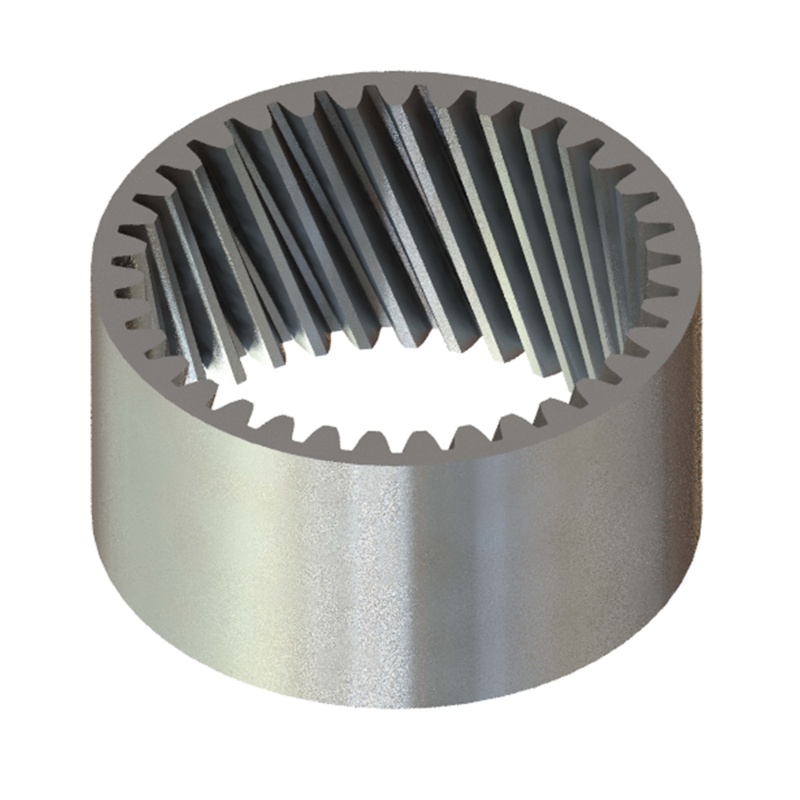
Gear shaping is used for internal gears, cluster gears, and gears with shoulder features that cannot be processed by hobbing due to spatial interference. Our CNC gear shapers generate accurate tooth profiles with precise tooth thickness and root form, making them ideal for planetary gear sets, splined components, and complex multi-step gear designs that require tight dimensional control.
For applications requiring the highest levels of precision and surface finish, gear grinding is applied after heat treatment to correct thermal distortion and achieve superior tooth profile accuracy, surface roughness, and tooth flank quality. Ground gears deliver quieter operation, higher load capacity, and longer service life, making them the standard for high-speed, high-precision applications such as robotics, aerospace, and precision machine tools.
Gear shaving is a secondary finishing process used to improve tooth surface quality and profile accuracy before heat treatment, providing a cost-effective alternative to grinding for medium-precision applications. Shaved gears exhibit reduced running noise and improved wear characteristics compared to as-cut gears, making them well suited for general industrial gearboxes and power transmission systems.
Complementary secondary processes include keyway milling, spline cutting, bore honing, and thread cutting to complete all gear features in-house. We also offer a range of surface treatments such as black oxide, zinc plating, manganese phosphating, and solid lubricant coatings for enhanced corrosion protection and reduced friction. Heat treatment capabilities include quenching and tempering, carburizing, nitriding, and induction hardening, all tailored to achieve the required hardness, toughness, and wear resistance for each specific gear application.
Production Capacity: From Single Prototypes to High-Volume Manufacturing
Our production system is designed for maximum flexibility, enabling us to support customer needs across the entire product lifecycle – from one-off prototype gears and replacement parts to medium-run production and large-scale mass manufacturing.
For single-piece and low-volume orders, we offer rapid prototyping and custom spare part production services. Whether a customer needs a single gear for emergency equipment repair, a prototype for design validation testing, or a small batch of custom gears for a specialty machine build, our CNC machining cells can produce parts directly from customer drawings with short lead times and no minimum order quantity. We work closely with clients during the prototype phase to verify fit, function, and performance, making iterative adjustments as needed before moving to larger production volumes.
Medium-volume production runs, typically ranging from dozens to hundreds of pieces, are optimized for efficiency and consistency. We implement dedicated work cells and standardized process planning for each project, ensuring repeatable quality and on-time delivery for ongoing equipment orders, aftermarket replacement programs, and new product line launches. Our production scheduling team coordinates closely with customers to align delivery timelines with their assembly and inventory schedules.
For high-volume mass production requirements, we deploy automated machining lines, optimized dedicated tooling, and rigorous statistical process control to produce thousands to tens of thousands of gears per order with consistent quality and competitive unit costs. Our scalable production capacity allows us to ramp up output in line with customer demand growth, supporting long-term supply partnerships for original equipment manufacturers across multiple industrial sectors.
Across all production volumes, every gear undergoes thorough dimensional inspection and quality verification before shipment. We utilize coordinate measuring machines, gear tooth analyzers, hardness testers, and surface roughness gauges to ensure full compliance with all drawing specifications and performance requirements, with inspection reports available upon customer request.
How Our Custom Gear Service Works
The process begins when customers share their detailed gear drawings, including 2D engineering drawings with full dimensional and tolerance specifications, or 3D CAD files in formats such as STEP, IGES, or SolidWorks. Our engineering team reviews each design for manufacturability, material suitability, and machining feasibility, providing constructive feedback if design adjustments can improve performance, reduce production costs, or shorten lead times.
Once the design and all specifications are mutually confirmed, we proceed with sample production for first article inspection. Customers can review and test the prototype gear to validate fit, form, and function before full production begins. Any necessary modifications are implemented and verified at this stage to ensure the final production parts meet all requirements exactly.
After sample approval, we move into series production, with regular in-process quality checks throughout the manufacturing process to ensure dimensional consistency and material integrity. Finished gears are carefully packaged with protective materials to prevent damage during transit, and we offer flexible shipping options to meet customer delivery schedules worldwide. Our technical support team remains available after delivery to address any questions or provide assistance with gear installation and application optimization.
As a trusted partner for custom CNC machined gears, we are committed to delivering products that precisely match customer drawings and exceed performance expectations. Whether you require spur gears for a standard gearbox, crossed axis helical gears for compact equipment layouts, helical bevel gears for high-torque drives, worm gears for lifting systems, or profile shifted gears for specialized center distance requirements, we have the expertise and production capability to bring your design to life with uncompromising precision.
We work with clients of all sizes, from small engineering firms to large industrial OEMs, providing the same level of attention to detail and quality assurance regardless of order volume. To discuss your custom gear project or request a detailed quotation, simply share your drawings and application details with our team, and we will provide a comprehensive, project-specific proposal tailored to your exact needs.