Custom Precision Investment Casting Stainless Steel Parts China | OEM Manufacturer
Custom precision investment casting stainless steel parts china, china stainless steel casting manufacturer, non-standard cnc machined parts china, silica sol lost wax casting supplier, custom stainless steel component manufacturing
Custom Precision Investment Casting Stainless Steel Parts in China
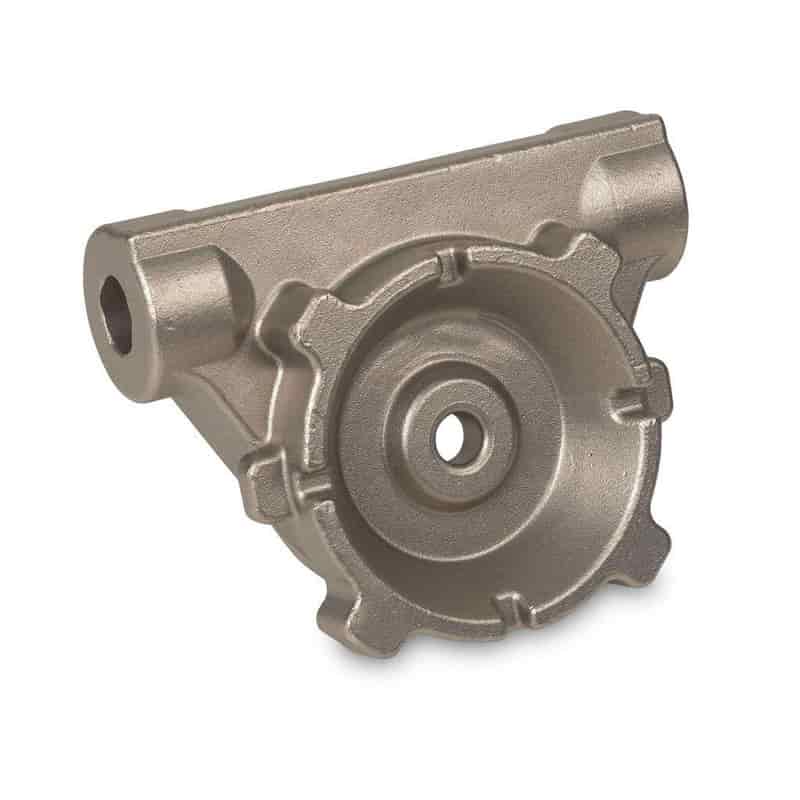
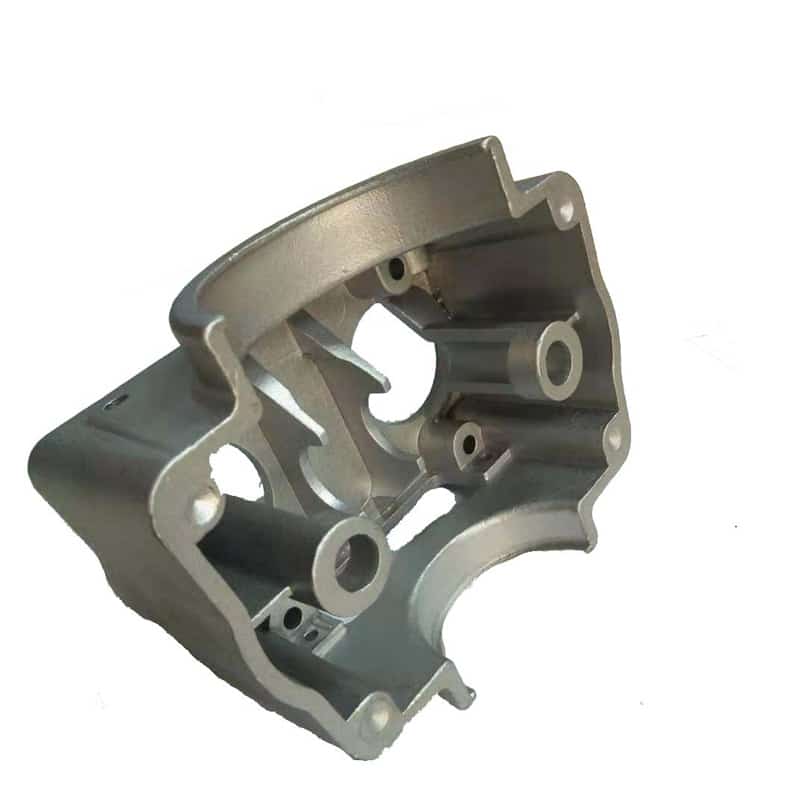
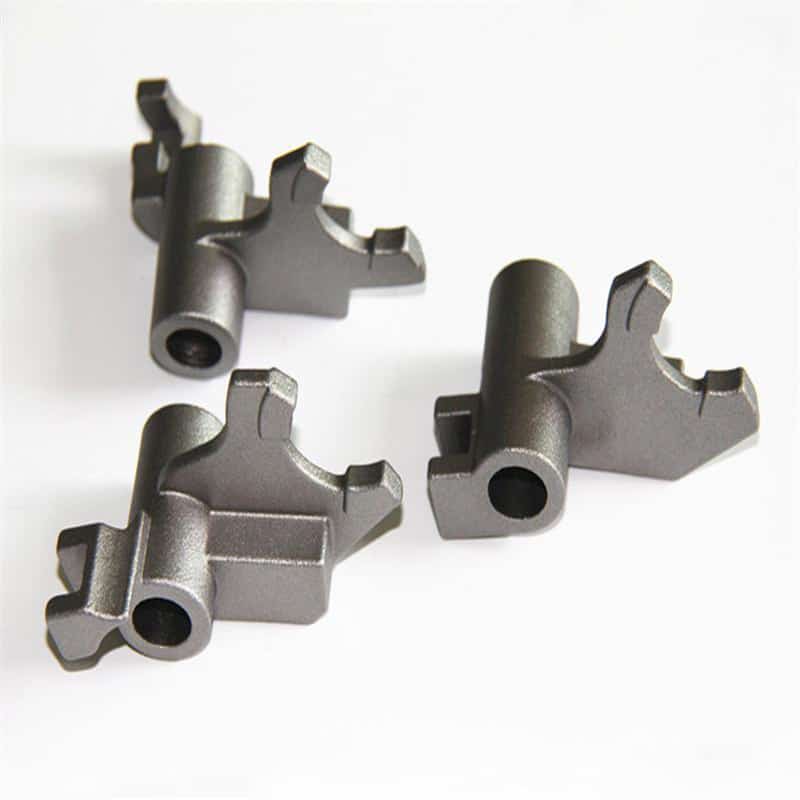
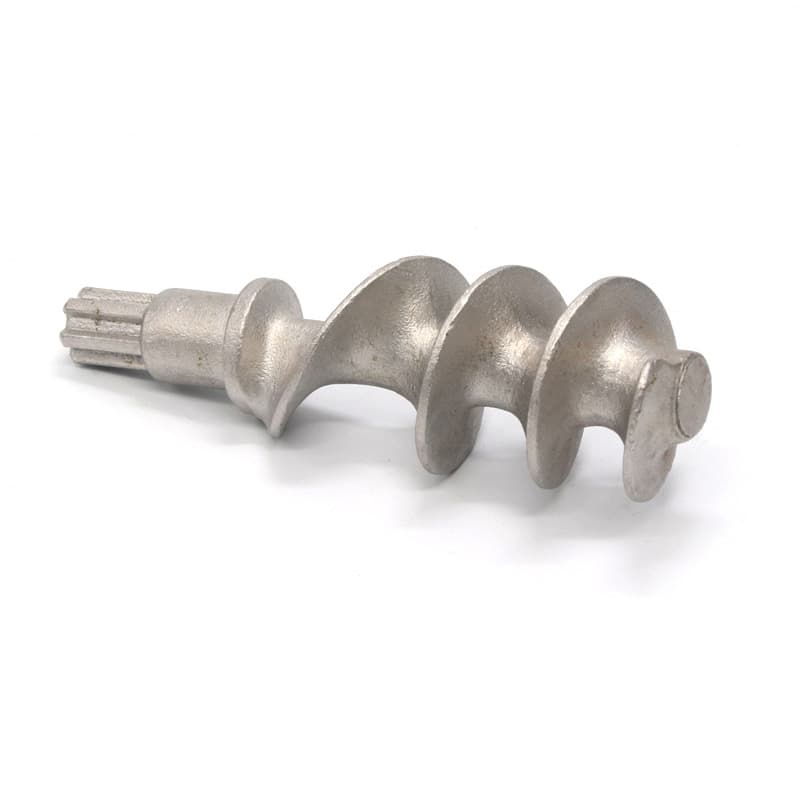
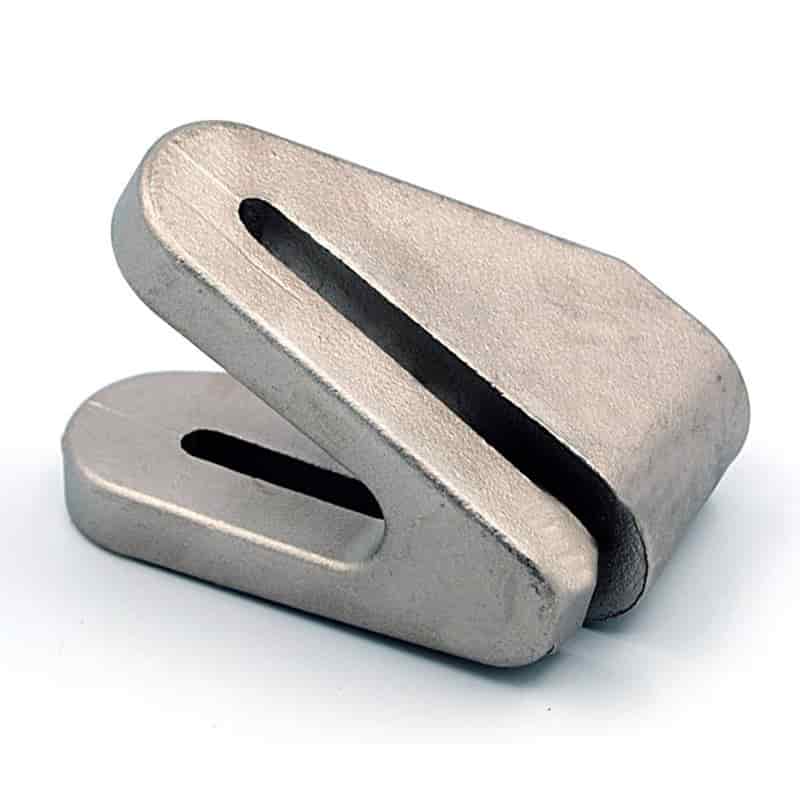
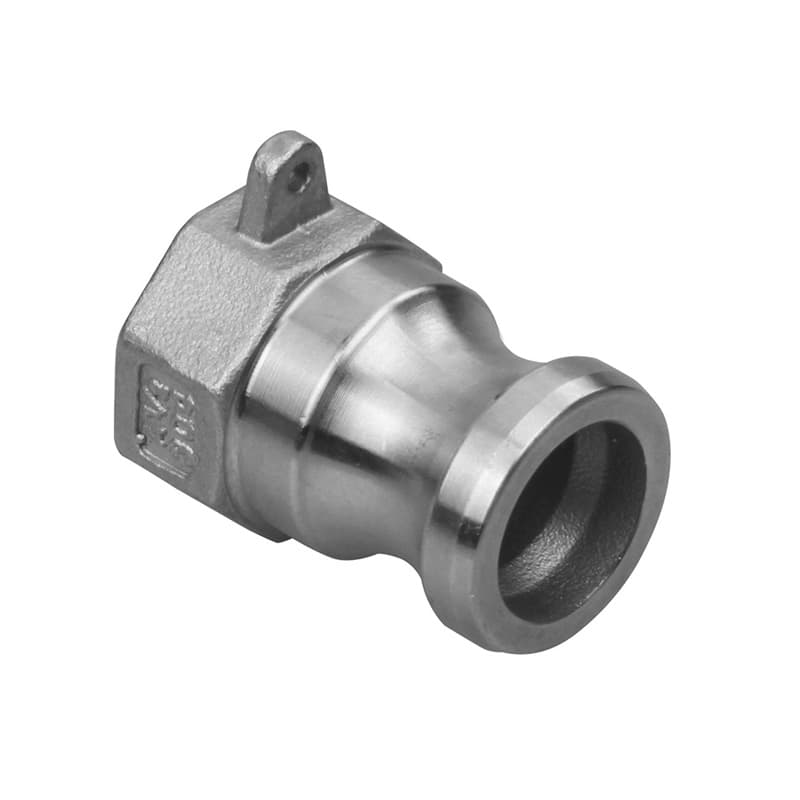
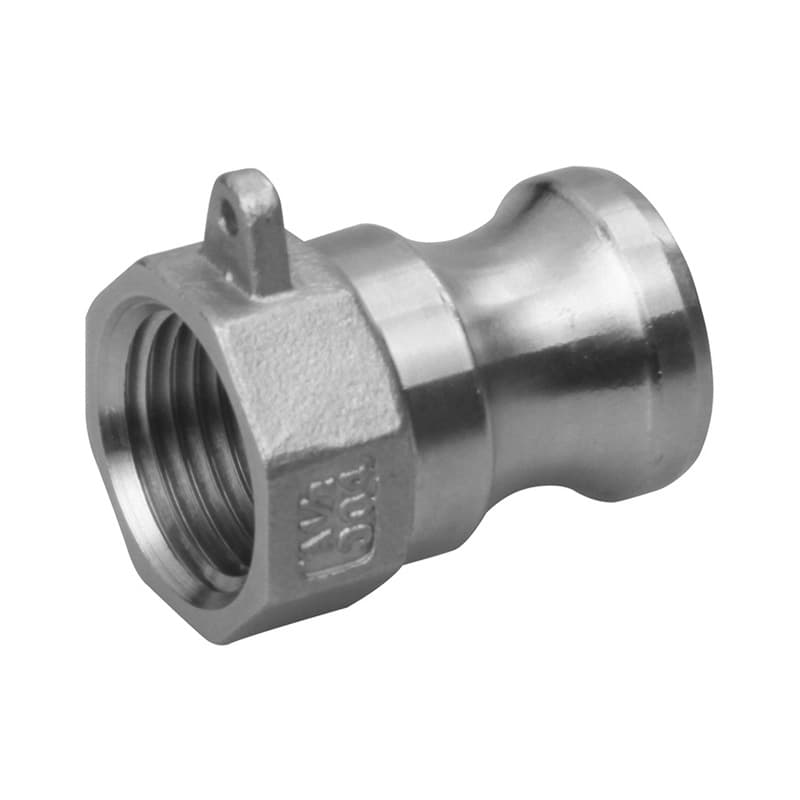
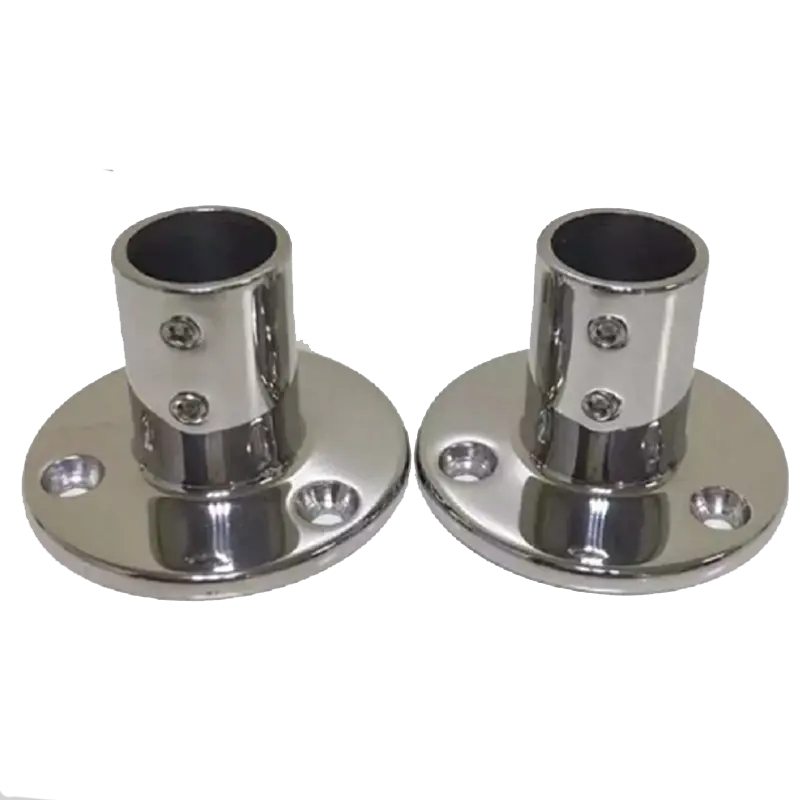
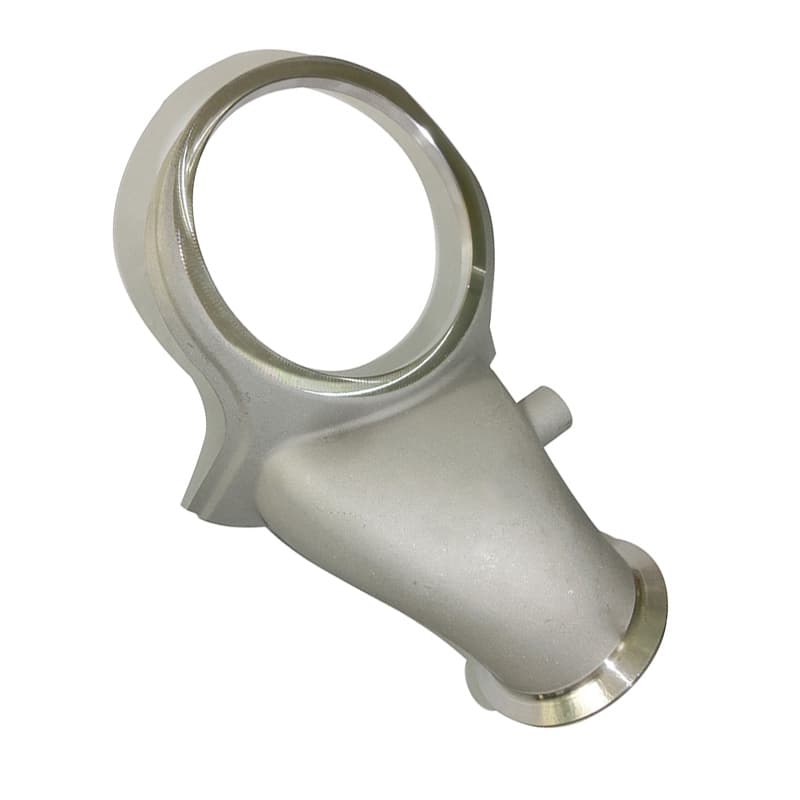
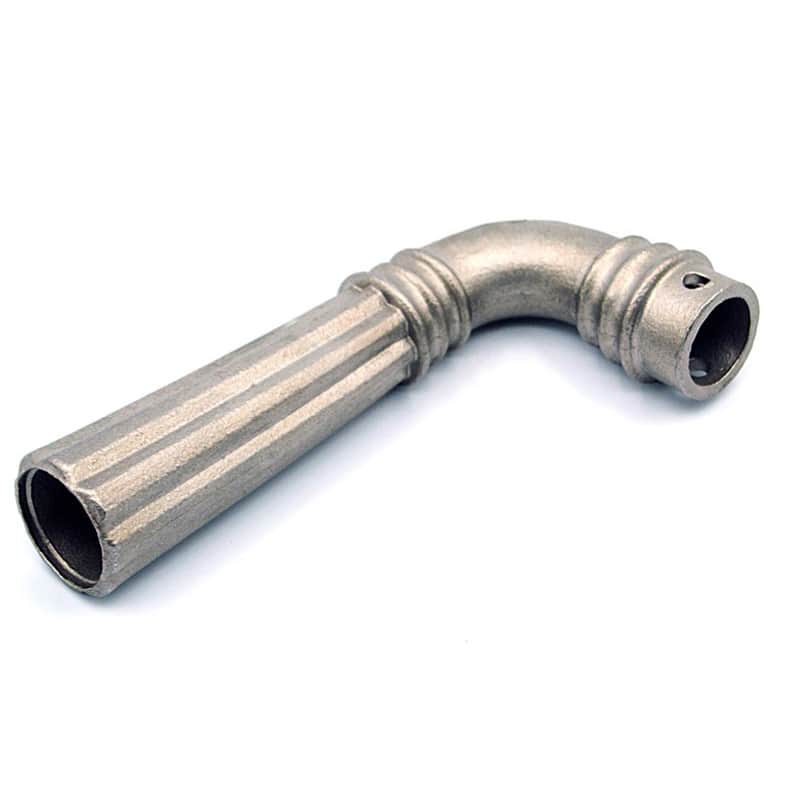
In demanding industrial applications, off-the-shelf components often fail to meet strict geometric tolerances, custom mounting requirements, and severe environmental stresses. By combining silica sol lost-wax investment casting with high-precision multi-axis CNC secondary machining, custom precision investment casting stainless steel parts china manufacturers deliver high-integrity non-standard components engineered for extreme corrosion resistance, tight dimensional accuracy, and long service life.
Material Capability & Technical Specifications
-
Stainless Steel Alloys: 304, 304L, 316, 316L, 17-4PH (SUS630), Duplex 2205, Super Duplex 2507, and heat-resistant 310S.
-
Casting & Machining Tolerances: Investment casting achieves ISO 8062 CT4–CT6 near-net shape; secondary CNC precision machining guarantees tolerances down to ±0.005 mm.
-
Surface Quality: As-cast surface finish Ra 3.2–6.3 μm, improvable via precision milling, grinding, electropolishing, and passivation to Ra 0.4–0.8 μm.
-
Production Scope: Complex thin-walled structures, custom internal channels, and non-standard geometries ranging from 10 grams to 50 kilograms.
Cross-Industry Applications & Component Roles
When sourcing custom precision investment casting stainless steel parts china, global OEMs and tier-1 equipment builders deploy these specialized components across a wide spectrum of mission-critical sectors:
| Industry Sector | Core Component Roles | Technical Requirements & Working Conditions |
| Pumps & Fluid Handling | Impellers, pump housings, valve bodies, mechanical seal glands | High cavitation resistance, tight internal tolerances, zero internal porosity |
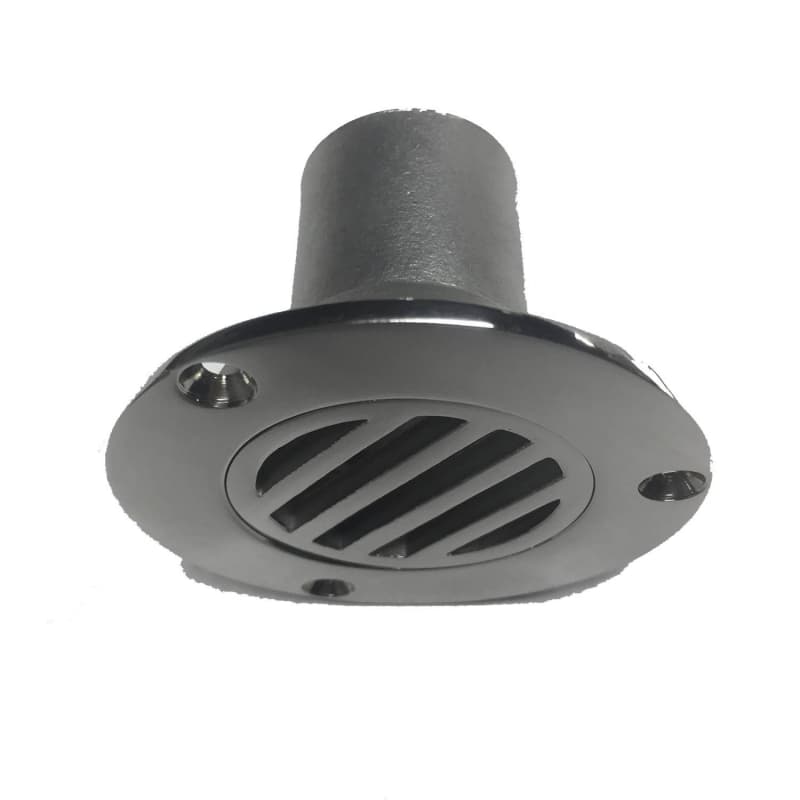
| Marine & Offshore | Deck hardware, pipe flanges, winch housings, underwater brackets | Superior resistance to chloride pitting corrosion and high tensile strength in marine environments |
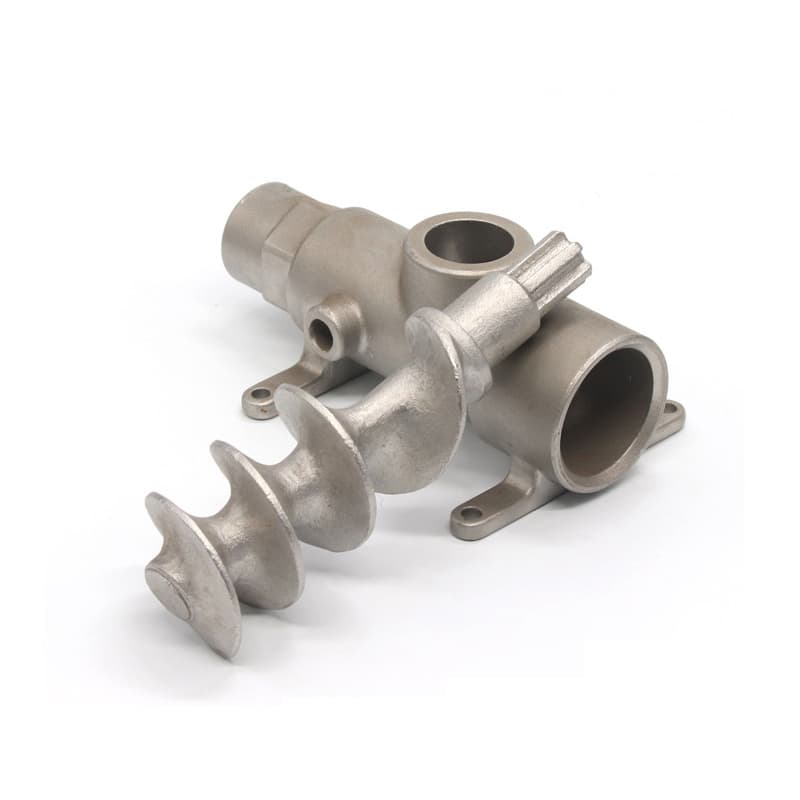
| Food & Pharmaceutical | Mixing paddles, sanitary valve fittings, metering pump heads | Hygienic polished finish (Ra 0.8 μm or better), zero crevices, withstands chemical CIP cleaning |
| Automotive & Transit | Exhaust manifolds, turbocharger brackets, door hinge linkages | High vibration fatigue resistance and elevated temperature endurance up to 800°C |
| Oil & Gas / Energy | Downhole tool bodies, flowmeter casings, turbine blades | Sulfide stress cracking resistance (NACE MR0175 compliant) and high-pressure rating |
| Industrial Machinery | Custom brackets, gears, robotic arm joints, pneumatic bases | High wear resistance, exact mounting interfaces, tailored non-standard custom design |
Synergy Between Investment Casting and Precision CNC Machining
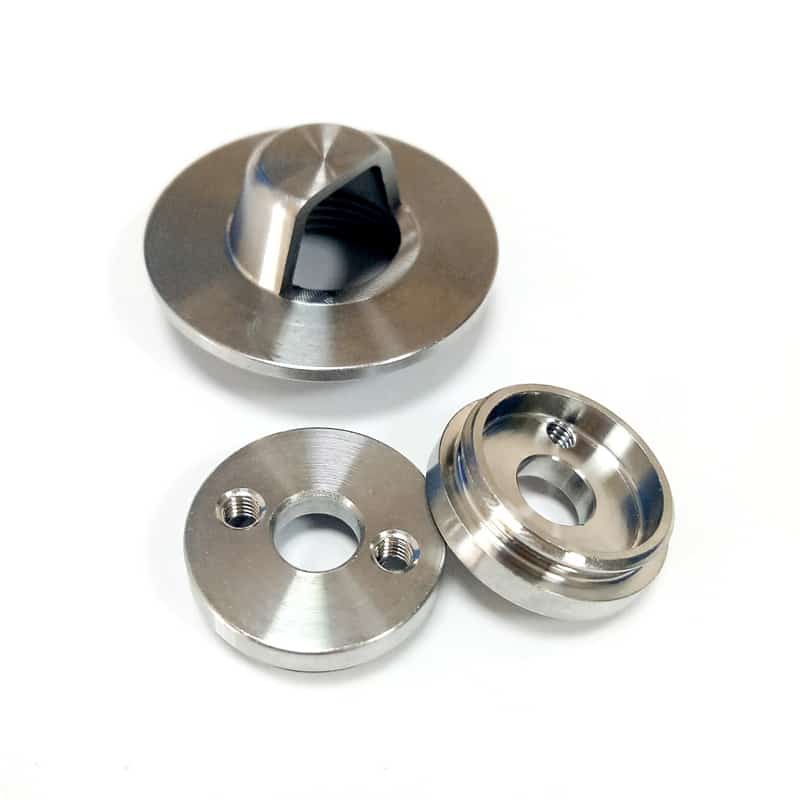
While silica sol investment casting provides complex near-net shapes that reduce raw material waste by up to 60%, critical mating surfaces, threaded holes, and bearing seats require precise post-machining. Integrating lost-wax casting with 4-axis and 5-axis CNC turning, milling, and wire EDM guarantees seamless execution from initial 3D drawing to final part delivery.
Quality Inspection & Material Assurance
-
Spectrometric Chemical Analysis: Every heat lot is tested via optical emission spectrometry prior to pouring to ensure exact alloy chemistry.
-
Non-Destructive Testing (NDT): Radiographic (X-ray), Ultrasonic (UT), and Liquid Penetrant (PT) testing inspect internal soundness and surface cracks.
-
Coordinate Measuring Machine (CMM): Optical scanners and CMM equipment verify non-standard drawing callouts against 3D CAD models.
-
Mechanical Property Validation: Tensile strength, yield strength, elongation, and hardness (HRC/HB) testing confirm proper heat treatment temper.
Partnering with a specialized facility for custom precision investment casting stainless steel parts china ensures fast prototyping cycles, low tooling investment, and flexible production volumes for complex non-standard components.