
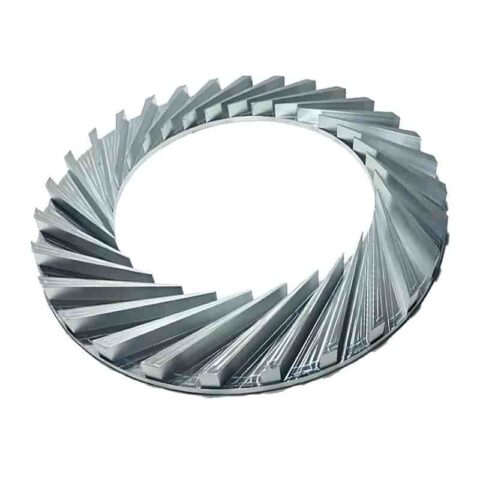
Custom 4-Axis CNC Machined Parts per Special Drawings from China
Custom 4-axis CNC machined parts per special drawings, prototype CNC machining, low volume custom parts, high volume CNC production, custom machined components China
Custom 4-Axis CNC Machined Parts per Special Drawings from China
Overview of Custom 4-Axis CNC Machining Capabilities
Custom 4-axis CNC machined parts per special drawings from China represent a high-precision manufacturing solution for industries requiring complex geometric features, tight tolerances, and consistent repeatability. Unlike standard 3-axis machining that operates along three linear axes, 4-axis CNC machining introduces a rotational axis, typically the A-axis, which allows the workpiece to rotate during cutting. This capability enables the production of parts with intricate contours, undercuts, angled holes, and multi-sided features in a single setup, reducing handling time and improving overall accuracy.
Companies that source custom 4-axis CNC machined parts per special drawings from China gain access to advanced equipment fleets, experienced engineering teams, and cost-effective production scaling. The process begins with customer-supplied 2D or 3D drawings, which are programmed into CNC controllers using industry-standard CAM software. Each cutting path is simulated before production to verify dimensional accuracy and optimize tool paths, ensuring that the final components match exact design specifications.
Common Materials Used for Custom 4-Axis CNC Machined Parts
The versatility of 4-axis CNC machining allows processing of a wide range of engineering materials, each selected based on mechanical properties, environmental resistance, weight requirements, and cost considerations. When producing custom 4-axis CNC machined parts per special drawings, material selection is a critical step that directly impacts part performance and service life.
Stainless Steel Grades
Stainless steel is one of the most widely specified materials for custom 4-axis CNC machined parts due to its excellent corrosion resistance, high strength, and aesthetic finish. Grade 304 stainless steel is commonly used for food processing equipment components, architectural hardware, and general industrial machinery where moderate corrosion protection is required. Grade 316 stainless steel, with higher molybdenum content, is preferred for marine environments, chemical processing equipment, and medical device components that require enhanced resistance to acids and saltwater. CNC machining of stainless steel delivers smooth surface finishes and precise thread profiles, making it ideal for valve bodies, pump housings, and sanitary fittings.
Aluminum Alloys
Aluminum alloys such as 6061-T6 and 7075-T6 are staple materials for custom 4-axis CNC machined parts in aerospace, automotive, and electronics industries. 6061 aluminum offers good machinability, moderate strength, and excellent corrosion resistance, making it suitable for electronic enclosures, mounting brackets, and automotive suspension components. 7075 aluminum is a high-strength alloy often used for structural aerospace parts, bicycle components, and racing equipment where weight savings and mechanical rigidity are critical. 4-axis CNC machining of aluminum produces lightweight parts with complex internal features and thin walls that would be difficult or impossible to achieve with conventional methods.
Carbon and Alloy Steels
Carbon steels including 1018, 1045, and 4140 alloy steel are extensively used for custom 4-axis CNC machined parts that require high tensile strength, wear resistance, and heat treatability. 1045 steel is commonly machined into shafts, gears, and couplings for industrial power transmission systems. 4140 alloy steel, containing chromium and molybdenum, provides superior toughness and fatigue resistance, making it the material of choice for heavy machinery components, tool holders, and high-stress mechanical parts. CNC machining of alloy steels can be followed by quenching, tempering, or case hardening to achieve specific hardness levels according to drawing requirements.
Copper and Brass Alloys
Copper and brass alloys are selected for custom 4-axis CNC machined parts that require excellent electrical conductivity, thermal conductivity, or corrosion resistance in water systems. Pure copper is used for electrical connectors, heat sinks, and bus bars where maximum conductivity is essential. Brass alloys such as C36000 free-machining brass are ideal for plumbing fixtures, valve components, and decorative hardware due to their superior machinability and natural corrosion resistance in freshwater applications. Bronze alloys, known for their low friction properties, are commonly machined into bearings, bushings, and gear components for heavy machinery.
Engineering Plastics
Advanced engineering plastics are increasingly specified for custom 4-axis CNC machined parts where weight reduction, electrical insulation, chemical resistance, or noise damping is required. PEEK (polyether ether ketone) is a high-performance thermoplastic used in medical devices, semiconductor equipment, and aerospace applications due to its exceptional chemical resistance and ability to withstand high temperatures. ABS and POM (acetal) are more cost-effective options for general-purpose components such as gears, rollers, and housing parts. Nylon, reinforced with glass fiber, provides enhanced strength and wear resistance for industrial machinery components. CNC machining of plastics delivers tight tolerances and smooth surface finishes without the tool wear associated with metal processing.
Titanium Alloys
Titanium alloys, particularly Ti-6Al-4V (Grade 5), are used for custom 4-axis CNC machined parts in aerospace, medical implant, and high-performance racing industries. Titanium offers an exceptional strength-to-weight ratio, outstanding corrosion resistance, and biocompatibility. 4-axis CNC machining of titanium requires specialized tooling and cutting strategies due to the material’s low thermal conductivity and high reactivity at elevated temperatures. Typical titanium components include aircraft structural brackets, surgical implants, and engine components where performance under extreme conditions is paramount.
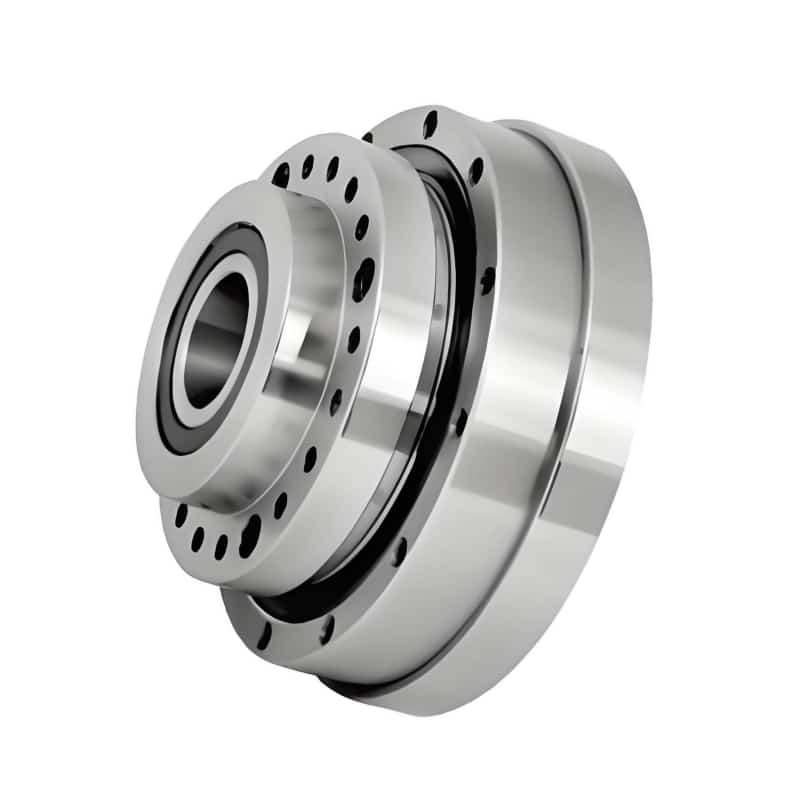
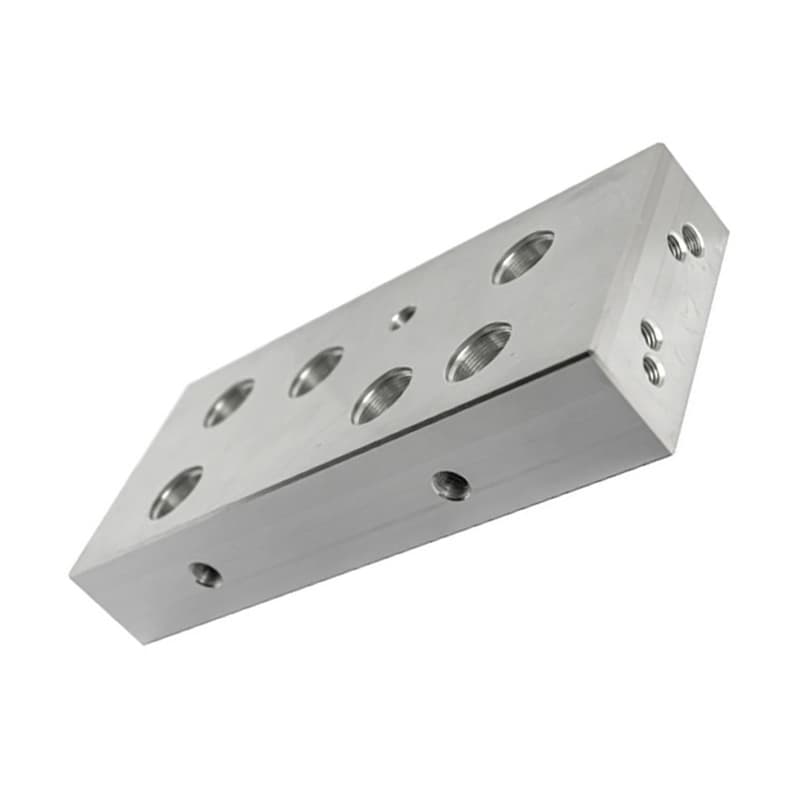
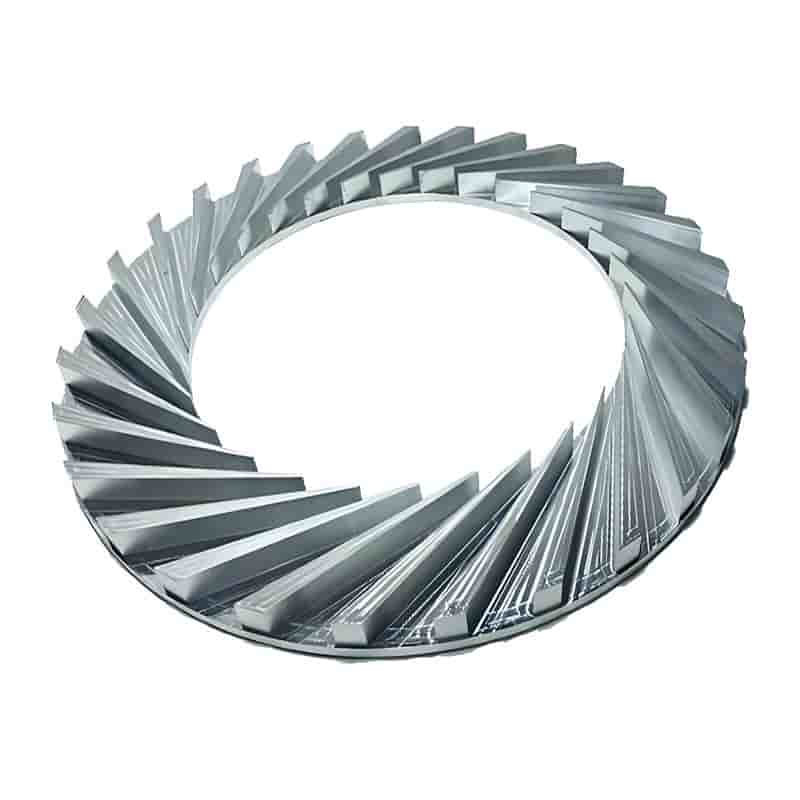
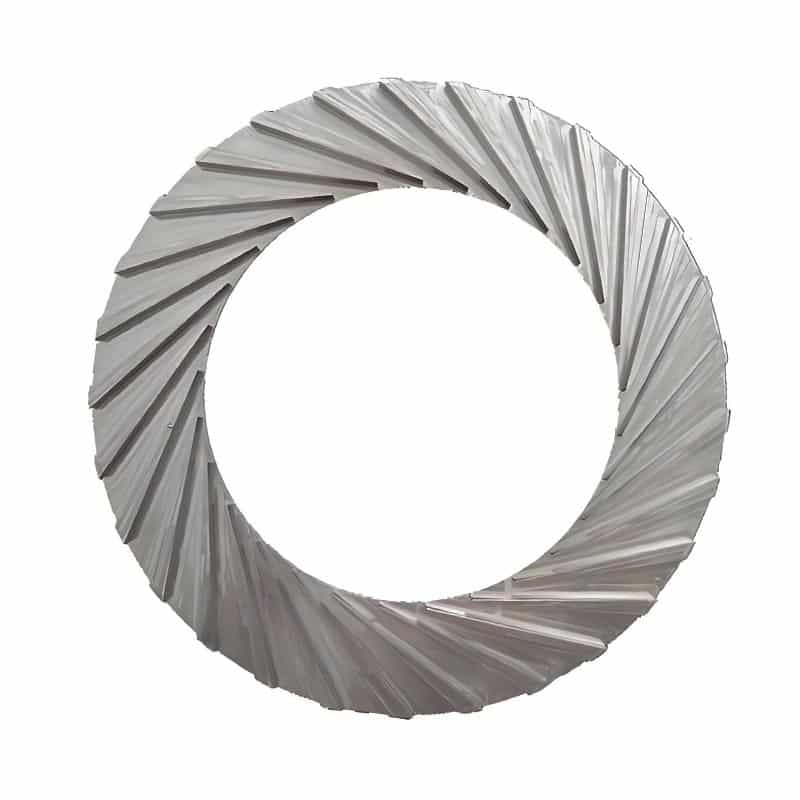
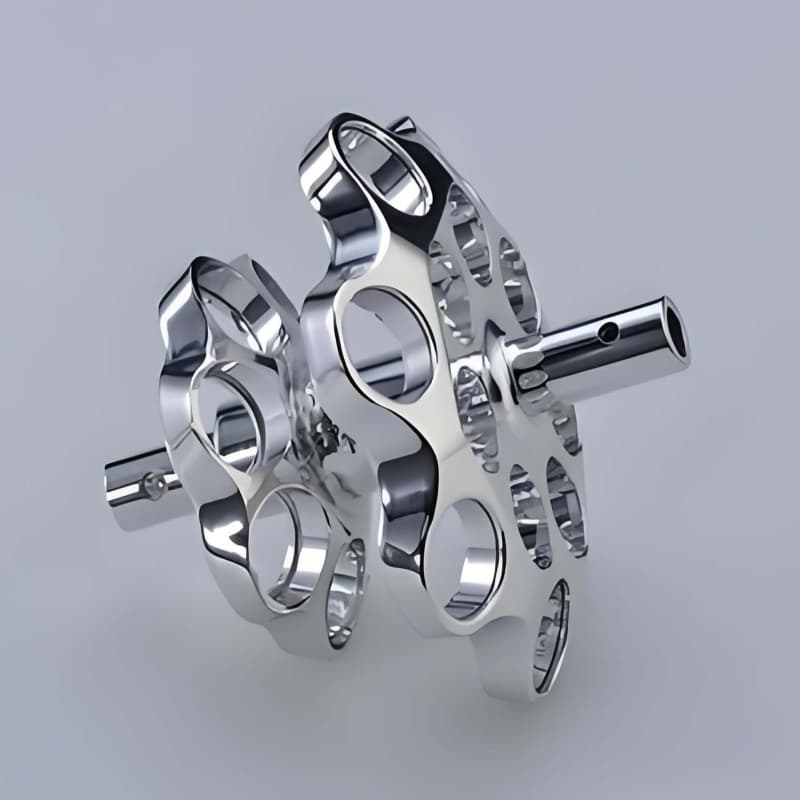
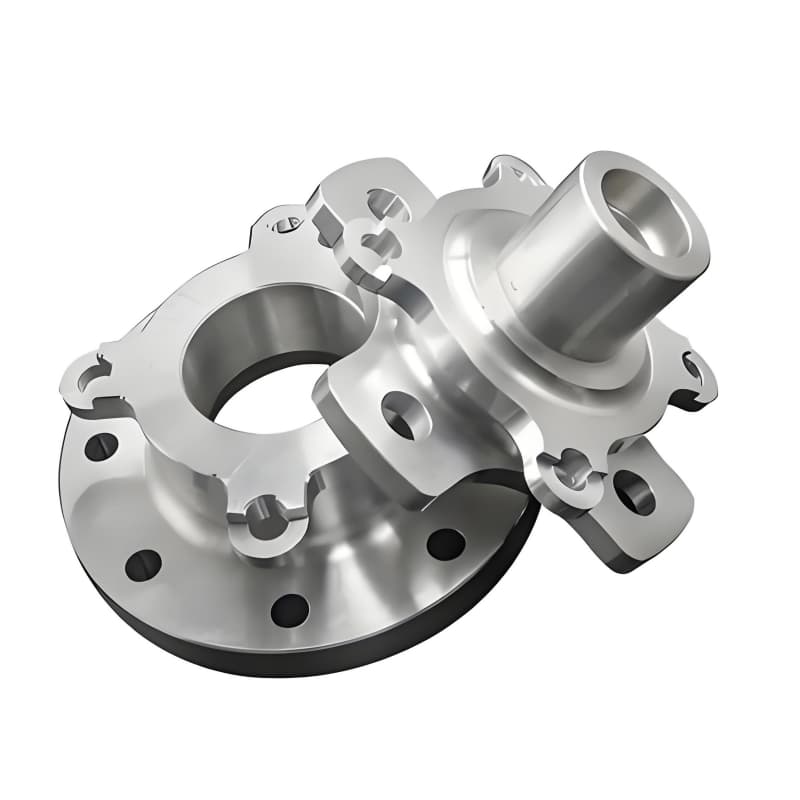
Examples of 4-Axis CNC Machining Components
The rotational capability of 4-axis CNC machining unlocks design possibilities that cannot be economically produced with 3-axis equipment. Below are typical examples of components that benefit from this advanced manufacturing method.
Complex Shafts and Rotors
CNC machining shafts with helical grooves, spiral splines, or multi-angle keyways is a primary application of 4-axis technology. Traditional 3-axis machines require multiple setups to machine features around the circumference of a shaft, introducing alignment errors and increased labor time. With 4-axis CNC machining, the workpiece rotates synchronously with the cutting tool, producing continuous spiral features with uniform depth and precision. These components are commonly found in gearboxes, drive systems, and rotating machinery across automotive, aerospace, and industrial sectors.
Worm Gears and Worm Shafts
CNC machining worm gear sets demands precise control of tooth profile and lead angle, which 4-axis equipment delivers with exceptional accuracy. The worm shaft, with its continuous helical thread, is produced by rotating the part while the cutting tool follows the precise helix angle specified in the drawing. The mating worm gear can also be machined on 4-axis equipment with the use of specialized indexing fixtures. These power transmission components are essential for conveyor systems, elevators, and precision positioning equipment where high reduction ratios and quiet operation are required.
Turbine and Impeller Blades
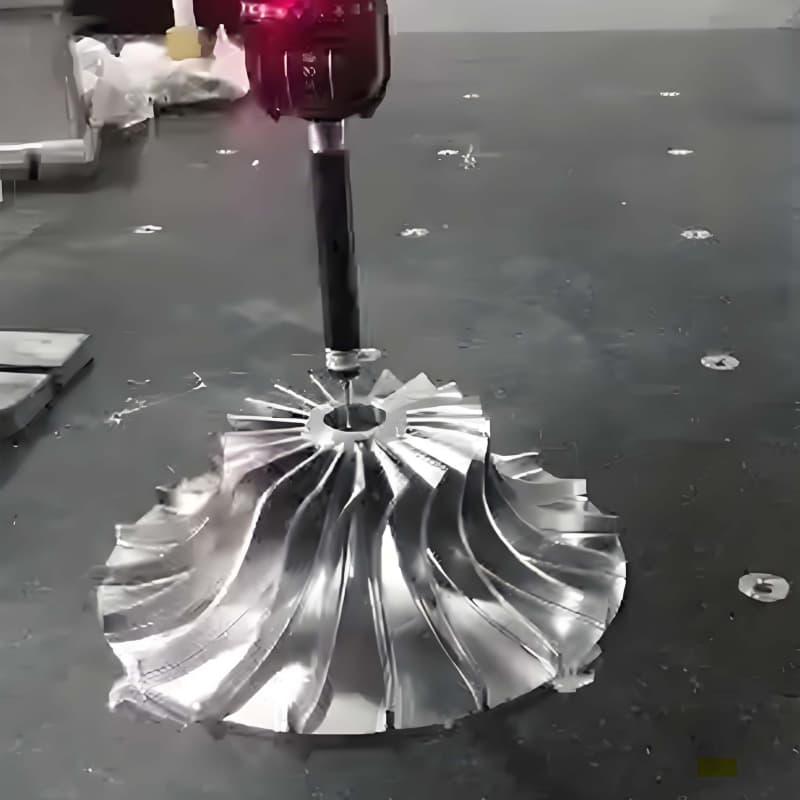
CNC machining turbine blades and impeller vanes requires complex 3D contouring capabilities that 4-axis CNC systems provide. Each blade features aerodynamically optimized curves and varying cross-sections that must be accurately reproduced across every part. The 4th axis allows the workpiece to be positioned at the optimal angle for each cutting pass, ensuring consistent surface finish and dimensional accuracy from root to tip. These components are critical for pumps, compressors, turbochargers, and power generation equipment.
Multi-Port Valve Bodies
CNC machining valve bodies with multiple angled ports and internal flow passages is significantly more efficient with 4-axis capability. Conventional machining requires repositioning the workpiece multiple times to drill cross holes at various angles, each requiring a new setup and alignment. 4-axis CNC machining rotates the valve body to the required angle automatically, allowing all cross-drilled holes, tapered seats, and internal chambers to be completed in a single operation. This results in improved concentricity between ports and reduced production time for hydraulic, pneumatic, and process control valves.
Custom Camshafts and Cam Followers
CNC machining cam profiles with variable lift and timing characteristics is a classic 4-axis application. The cam lobe profile, which determines the motion of the follower, is generated by coordinated movement of the linear axes and the rotational A-axis. This synchronized motion produces smooth, accurate cam profiles that translate rotational motion into precise linear movement. Custom camshafts are used in internal combustion engines, automated assembly machinery, and precision motion control systems.
Aerospace Structural Brackets
CNC machining aerospace structural brackets often involves complex angled faces, lightening pockets, and multiple mounting surfaces that must align to precise geometric tolerances. 4-axis CNC machining allows these monolithic components to be produced from a single solid block of aluminum or titanium, reducing part count and improving structural integrity compared to fabricated assemblies. The ability to machine undercuts and angled features in one setup ensures that all critical datum surfaces remain aligned throughout the production process.
Production Scalability: From Single Prototypes to High-Volume Production
One of the key advantages of sourcing custom 4-axis CNC machined parts per special drawings from China is the ability to scale production seamlessly from one-off prototypes to full mass production volumes. This flexibility allows customers to progress through product development stages without changing suppliers or retooling.
Prototype and Low-Volume Production
For initial design validation and functional testing, custom 4-axis CNC machined parts can be produced in quantities as low as one piece per drawing. Prototype machining utilizes the same 4-axis equipment and programming methods as production runs, ensuring that test parts accurately represent the final production geometry. Lead times for prototype quantities are typically short, allowing engineering teams to evaluate form, fit, and function quickly. Low-volume production runs of 10 to 500 pieces are also common for custom machinery builds, specialty equipment, and aftermarket replacement parts.
Medium-Batch Production
Medium-volume production, ranging from 500 to 10,000 pieces, represents the sweet spot for custom 4-axis CNC machined parts. At this scale, production efficiency is optimized through fixture standardization, tool life management, and batch processing while still maintaining the flexibility to accommodate drawing revisions. Many industrial equipment manufacturers, medical device companies, and automotive subsystem suppliers operate within this volume range, requiring consistent quality and reliable delivery schedules.
High-Volume Mass Production
For mature products with stable demand, custom 4-axis CNC machined parts can be produced in volumes exceeding 10,000 pieces per order. High-volume production leverages optimized machining cycles, automated part loading systems, and dedicated production cells to achieve low per-unit costs while maintaining tight tolerance control. Statistical process control methods are applied to monitor critical dimensions throughout the production run, ensuring consistent quality across thousands of parts. This production scale serves automotive OEMs, consumer electronics manufacturers, and large-scale industrial equipment producers.
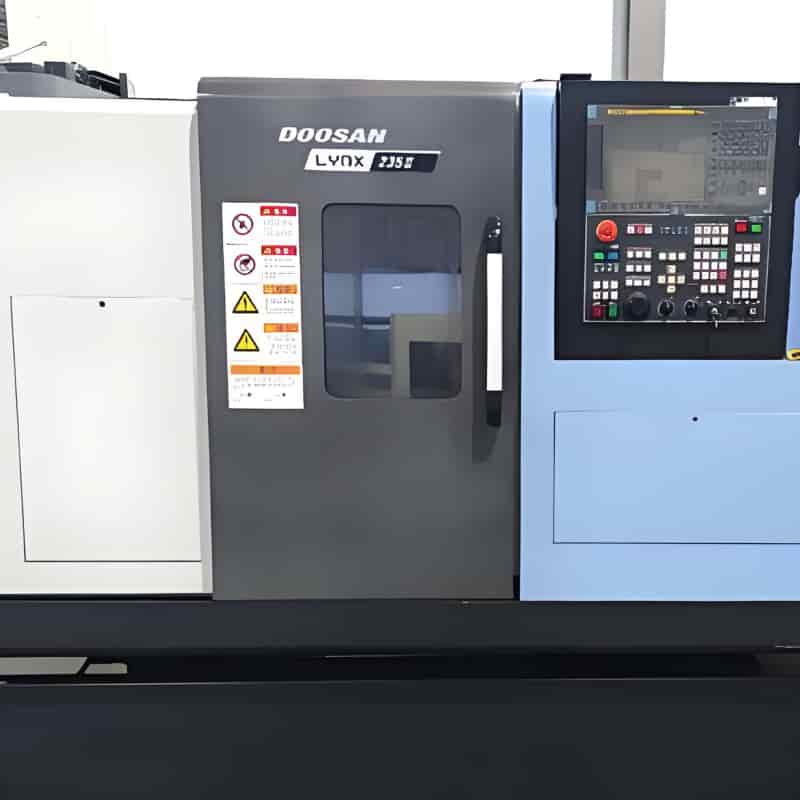
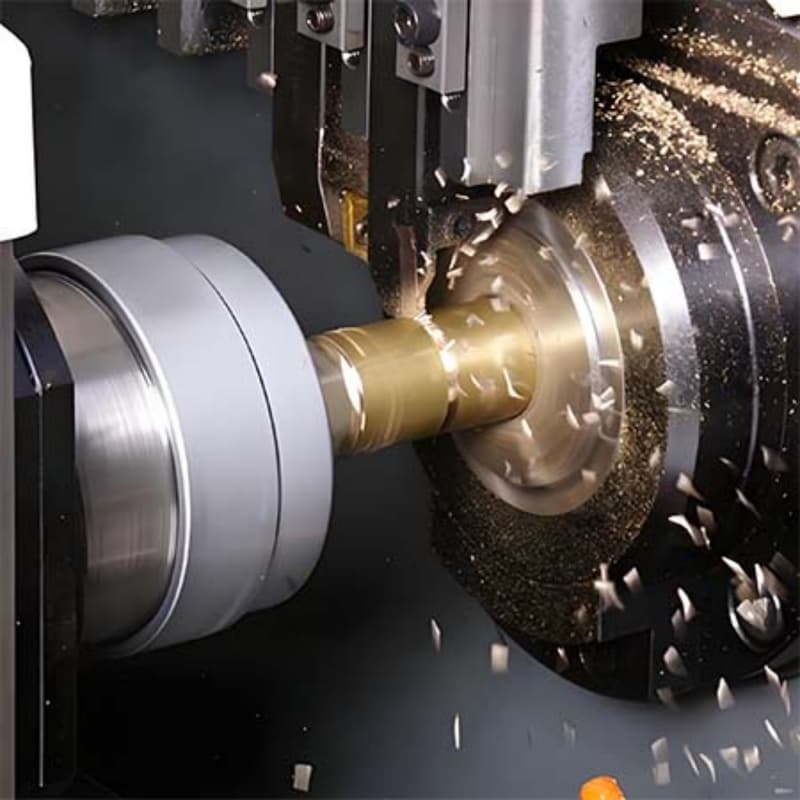
The Custom Manufacturing Process
The process of ordering custom 4-axis CNC machined parts per special drawings from China follows a structured workflow designed to ensure accuracy, efficiency, and clear communication at every stage.
It begins with the submission of drawing files, typically in STEP, IGES, or DWG format, along with material specifications, tolerance requirements, and surface finish expectations. Engineering teams review each drawing for manufacturability, identifying potential challenges and suggesting design optimizations that can reduce cost or improve quality without compromising functional requirements.
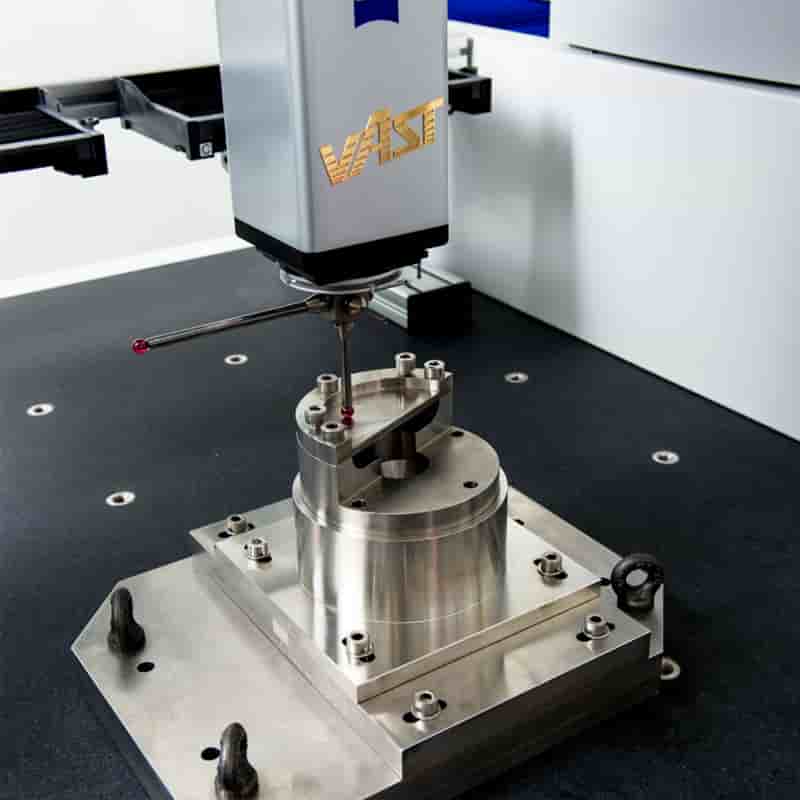
Once the design is finalized and approved, CAM programmers generate optimized tool paths specifically for 4-axis CNC machining. Programming strategies take into account material properties, required tolerances, and production volume to balance speed, tool life, and surface quality. Before full production begins, a first article inspection is performed on the initial part, verifying all critical dimensions against the drawing and providing measurement data for customer approval.
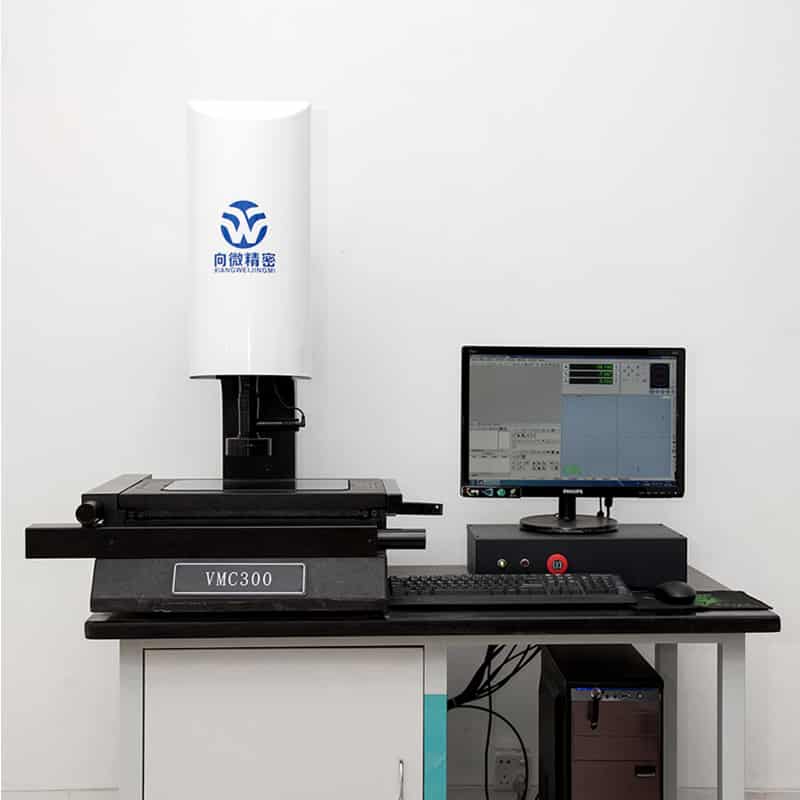
During production, quality control inspectors perform in-process checks at predetermined intervals, using coordinate measuring machines (CMM), optical comparators, and precision gauges to ensure compliance with all drawing specifications. Surface finish, deburring quality, and material conformance are also verified at each production stage.
Upon completion, finished custom 4-axis CNC machined parts undergo final inspection and are carefully packaged to prevent damage during transit. International shipping options are available to accommodate different delivery timeline requirements, from standard sea freight for cost-effective bulk shipments to expedited air freight for urgent orders.
Why Source Custom 4-Axis CNC Machined Parts from China
China has established itself as a global leader in precision CNC machining, offering significant advantages for companies seeking custom 4-axis CNC machined parts per special drawings.
First, the extensive manufacturing ecosystem provides access to a complete supply chain, from raw material production to secondary processing services such as heat treatment, plating, anodizing, and powder coating. This integrated supply chain reduces lead times and simplifies procurement, as all processes can be managed through a single source.
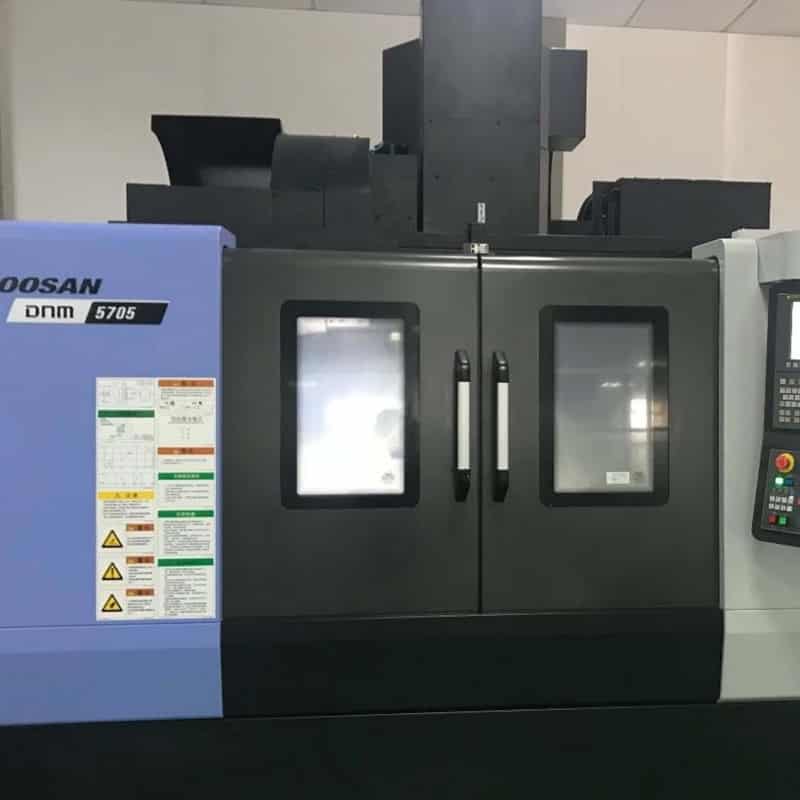
Second, the combination of advanced machinery and skilled labor delivers high-precision results at competitive price points. Chinese machining facilities invest continuously in the latest 4-axis and 5-axis CNC equipment, along with advanced inspection technology, ensuring that parts meet the most demanding international tolerance standards. Experienced machinists and programmers bring deep expertise across a wide range of industries and material types.
Third, production flexibility allows for rapid scaling as product demand evolves. Whether the requirement is a single prototype or a production run of tens of thousands of pieces, manufacturing capacity can be adjusted quickly without compromising quality or delivery schedules.
Finally, streamlined international logistics and experienced export teams ensure that custom 4-axis CNC machined parts arrive at their destination on time and in perfect condition, with all necessary documentation prepared for customs clearance.