
Custom precision 5-axis CNC milling service in China
As a custom 5-axis CNC milling service in China, we machine tightly toleranced rotating components and complex metal parts directly from customer drawings — from one-off prototypes and engineering samples to repeat batch orders. Simultaneous 5-axis machining reaches impeller blades, sculpted surfaces and compound angles in fewer setups, which protects dimensional accuracy and leaves cleaner, more predictable surfaces.
5-axis machined parts produced on our floor
A selection of components made through our custom 5-axis CNC milling service in China. Every part below is machined from the customer's own drawing, material specification and tolerance requirements.
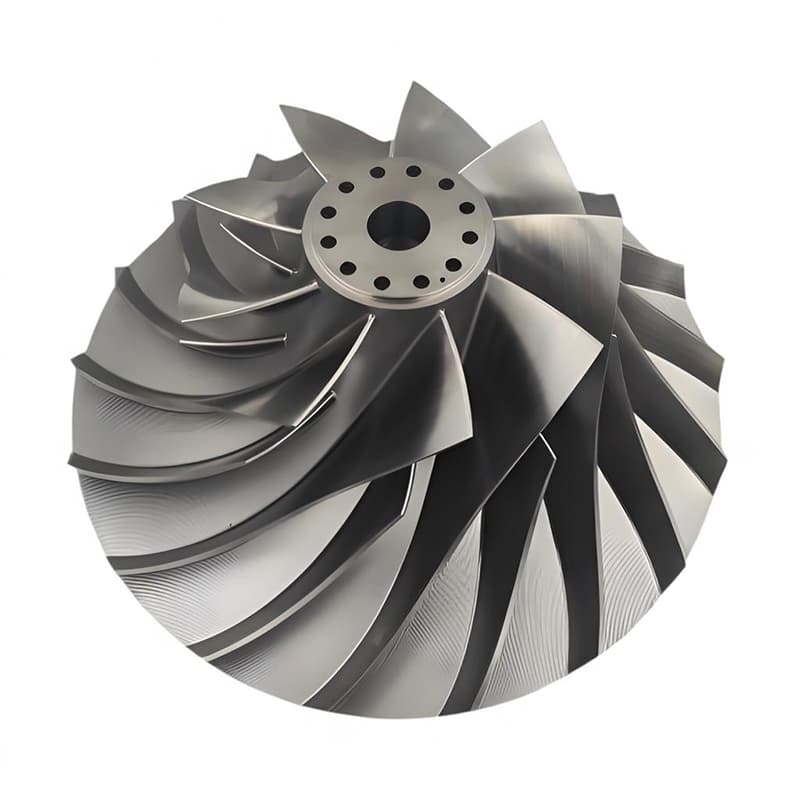
Titanium alloy impeller
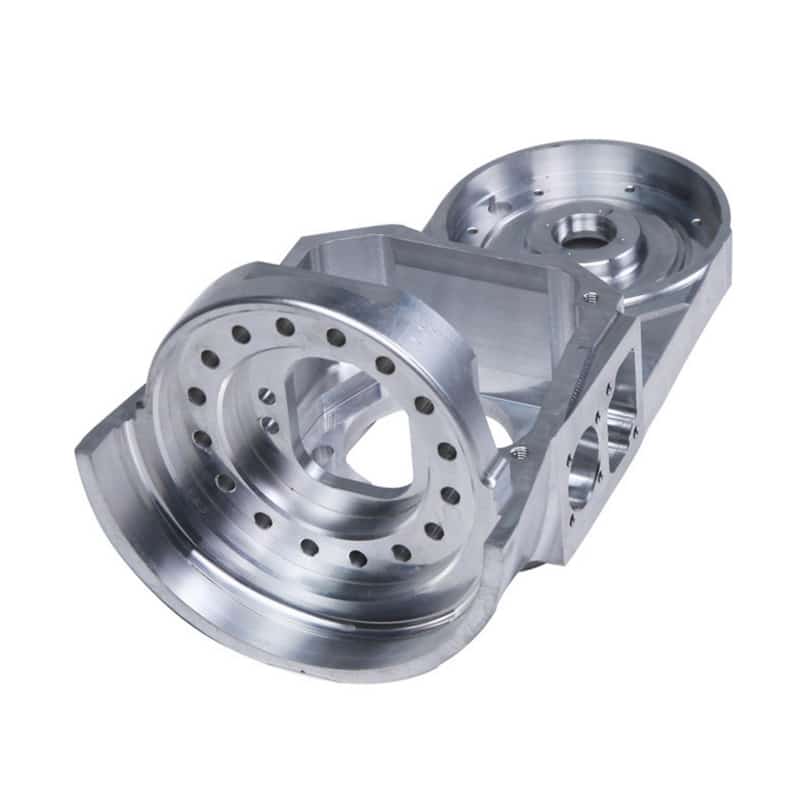
Robot component
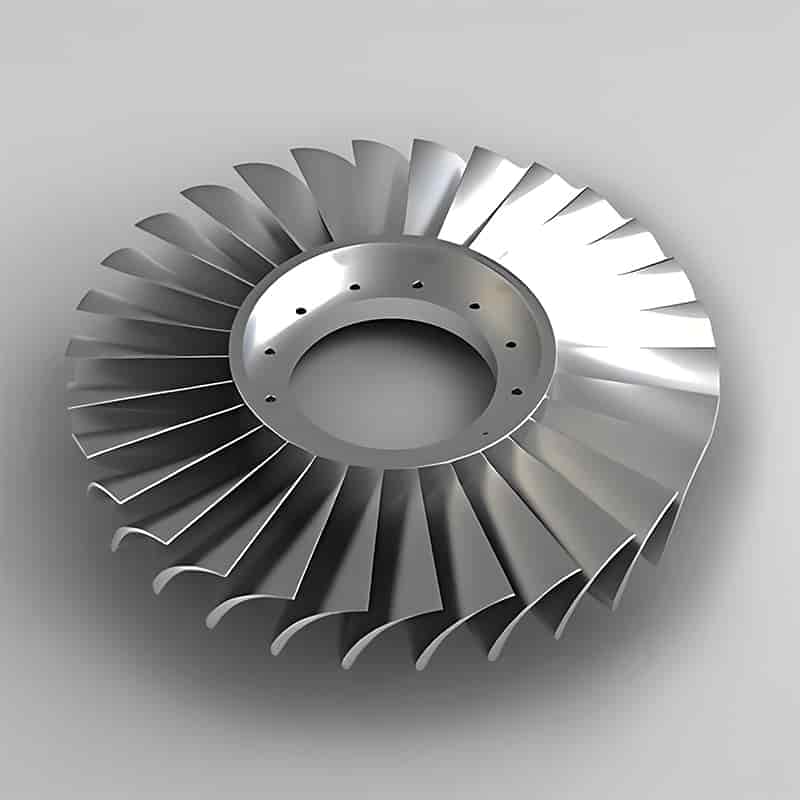
Titanium compressor impeller for UAV
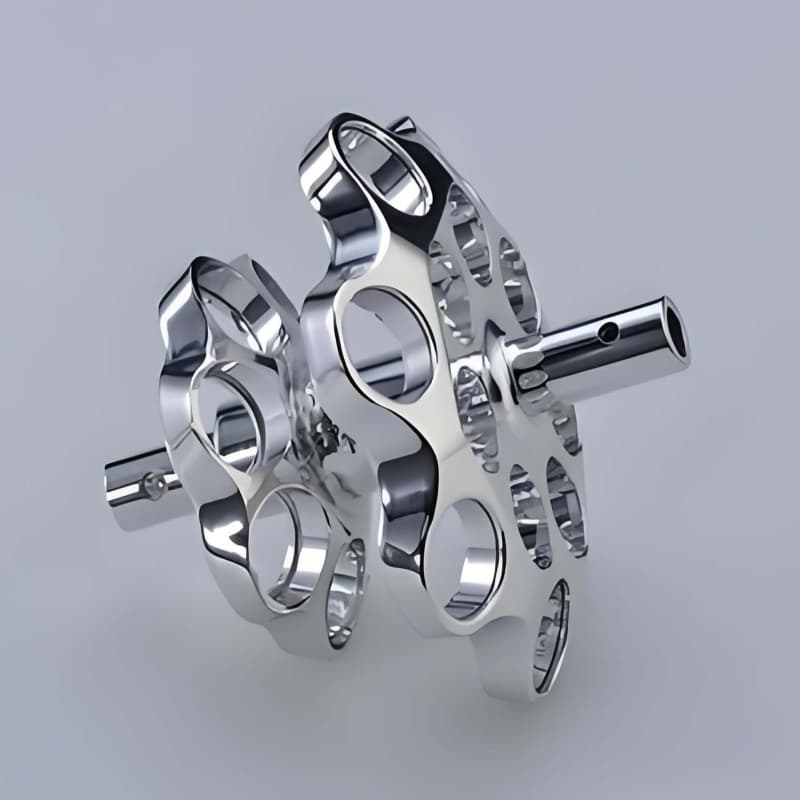
Stainless steel part
What a reliable custom 5-axis CNC milling service in China should deliver
Five-axis work is not only about machine movement. It is about how datums, tool paths, fixturing and inspection are planned together before the first chip is cut.
Simultaneous 5-axis machining
The cutting tool follows curved blades and undercut surfaces continuously, reducing repeated setups and the alignment error that accumulates between them.
Complex surfaces and thin walls
Flow passages, slender blades, deep pockets and 3D contours are finished with controlled step-downs, balanced feed strategy and stable workholding.
Tight dimensional control
Critical bores, blade profiles and locating datums are programmed against the drawing's datum chain and checked at staged points during production.
Prototype through production
First articles, small validation batches and scheduled repeat runs follow the same programming logic, fixturing principles and inspection criteria.
Material-aware machining
Titanium, aluminum, stainless and alloy steels each receive tool paths, cutting parameters and cooling strategy matched to their behavior.
Drawing-first engineering review
Tolerances, threads, surface calls and machinability are reviewed before cutting, and unclear requirements are raised instead of guessed.
Machining and inspection coordinated in-house
Production and measurement reference the same drawing requirements, so questions found during inspection can be traced back to a specific setup, tool path or operation.
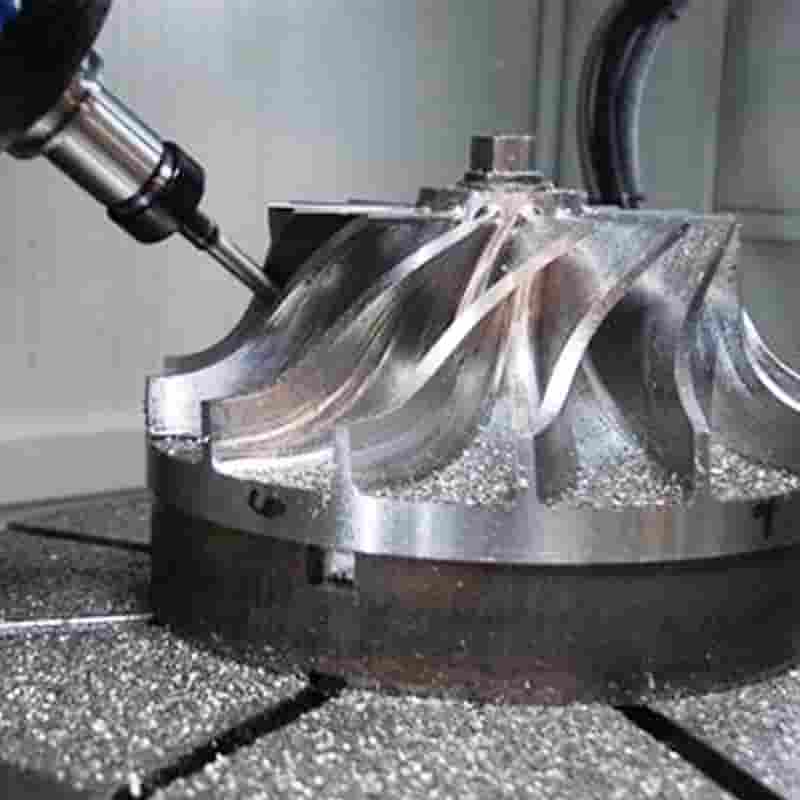
CNC milling
5-axis milling centers handle continuous curved surfaces and multi-sided geometry in one clamping wherever the part design allows it.
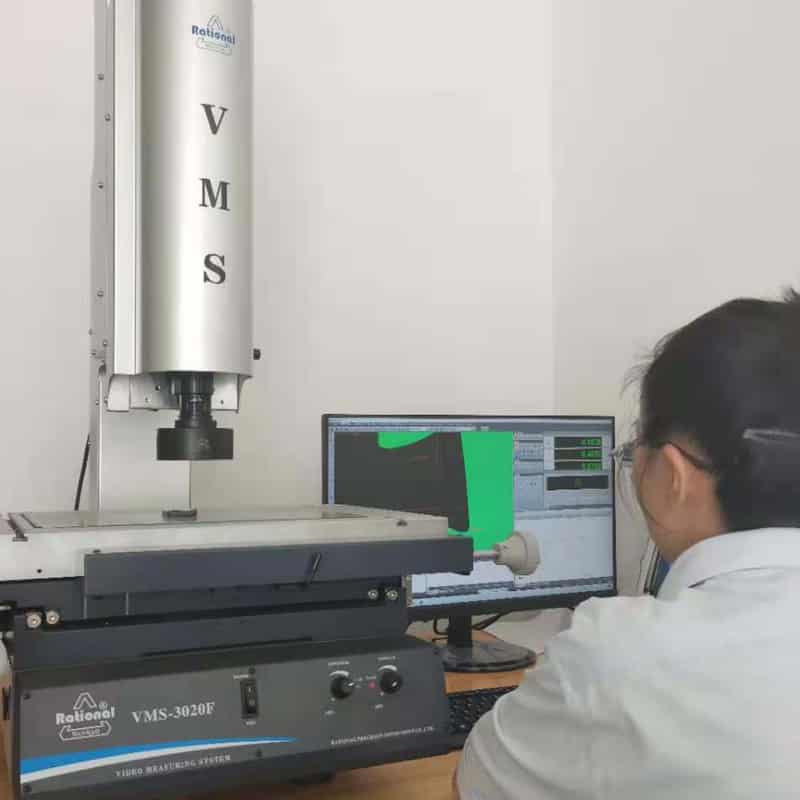
2D projector
A 2D optical projector compares edge profiles, radii, chamfers and small features with magnified contour outlines taken from the drawing.
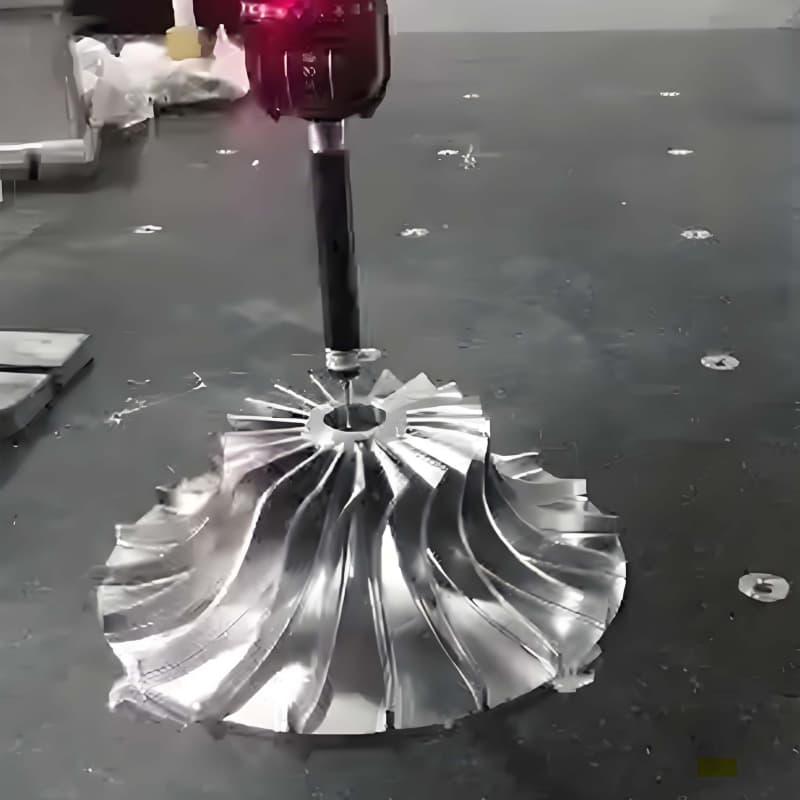
CMM inspection
Coordinate measuring equipment records critical dimensions and positional tolerances, and measured records can accompany shipped batches.
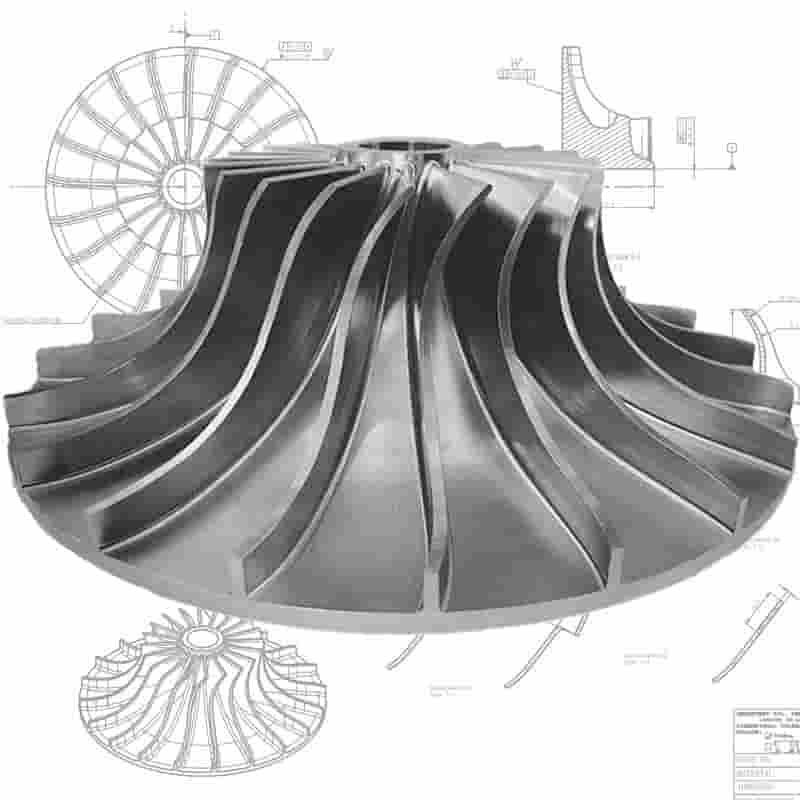
Manufactured strictly to your drawings and technical requirements
Every order from this custom 5-axis CNC milling service in China is treated as a commitment to the drawing. We machine to the stated dimensions, tolerances, thread standards, surface requirements and material notes — convenient assumptions are never used as substitutes. Whether the order is a single validation piece or a repeating production batch, the same review, in-process control and final inspection apply.
- Single parts and first articles receive the same care as volume orders
- Batch runs keep setups, tooling logic and inspection sampling consistent
- Any deviation from the drawing is confirmed in advance, never made silently
- Deburring, cleaning and packaging follow the agreed technical requirements
Materials routinely machined on our 5-axis lines
Tool paths, fixturing pressure and finishing strategy are adjusted to the behavior of each material so that hard alloys and soft alloys both hold stable results.
Titanium alloys
Ti-6Al-4V / TC4
Aluminum alloys
6061 / 7075 / 2A12
Stainless steel
304 / 316 / 17-4PH
Alloy structural steel
42CrMo / 4140
Tool and die steel
H13 / SKD11 / P20
Copper and brass
C36000 / oxygen-free copper
Nickel alloys
Inconel 718 / 625
Engineering plastics
PEEK / POM / UHMWPE
A predictable path from drawing to delivered parts
The same workflow is used for every custom 5-axis CNC milling service in China order placed with us, so a prototype and its later batch share one traceable production logic.
Drawing review and scope confirmation
Geometry, tolerance stack-up, material call-outs and surface requirements are checked, and open questions are resolved before production planning.
CAM programming and fixturing
Roughing and finishing tool paths, workholding and inspection datums are planned before raw material is loaded.
5-axis machining with staged checks
Roughing, semi-finishing and finishing proceed in controlled stages, with critical features measured between operations.
Final inspection and protected packing
Parts are deburred and cleaned, measured against the drawing, then packed to protect finished surfaces together with agreed records.
The same strict standard for one piece or a full batch
This custom 5-axis CNC milling service in China does not separate "sample quality" from "batch quality" — both are measured against the same drawing and purchase specification.
Drawing-based inspection plan
Inspection points come directly from drawing dimensions and the purchase specification, with critical features identified before machining.
First-article confirmation
The first completed part confirms datum setup, key dimensions and surface finish before remaining pieces continue through the same process.
Repeat-order consistency
Approved programs, fixturing logic and inspection criteria are reused on repeat batches so later orders match the approved first article.
Clean, protected delivery
Every finished part is deburred, cleaned and packaged to guard machined surfaces and precise edges against damage in transit.