Precision CNC Machining for Robotics | Custom Joint Housings & Parts
Robot joint housing CNC machining, thin wall CNC machining robotics, precision bearing seat machining, custom CNC joint module, non-standard machining robotics, harmonic drive housing CNC
Precision in Motion: The Strategic Role of Custom CNC Machining in Next-Gen Robotics & Advanced Robot Joint Housing CNC Machining
The modern robotics landscape—from collaborative robots (cobots) and humanoid robotics to heavy industrial arms—demands unprecedented motion accuracy, weight efficiency, and structural reliability. At the core of every high-performance robotic system lies a network of custom precision-machined components. Among these critical structural parts, high-precision robot joint housing CNC machining serves as the foundational backbone for dynamic stability, heat dissipation, and long-term joint repeatability.
The Multifaceted Role of CNC Machined Parts in the Robotics Industry
Robotic systems operate under continuous dynamic loads, high torque, and rigid spatial limitations. Standard off-the-shelf components rarely meet specialized kinematic and structural demands. Custom non-standard CNC machining provides tailored functional solutions across all major robotic subsystems:
-
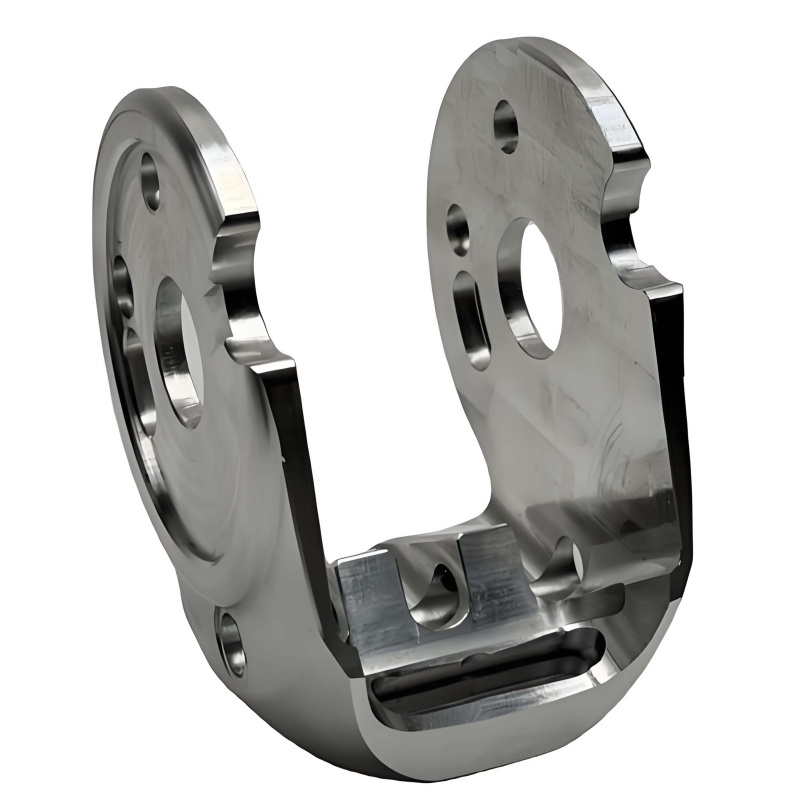
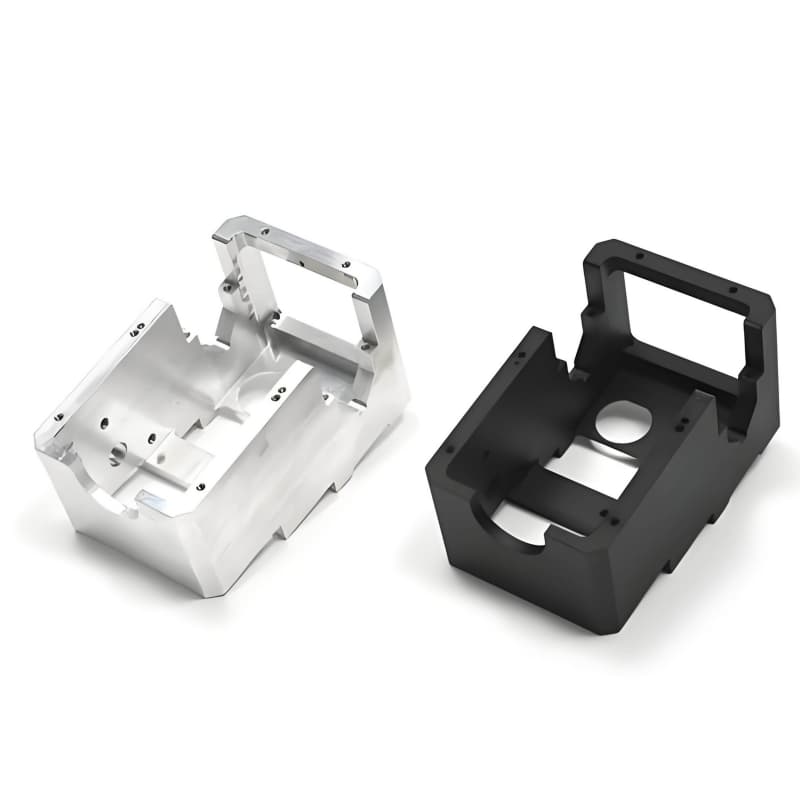
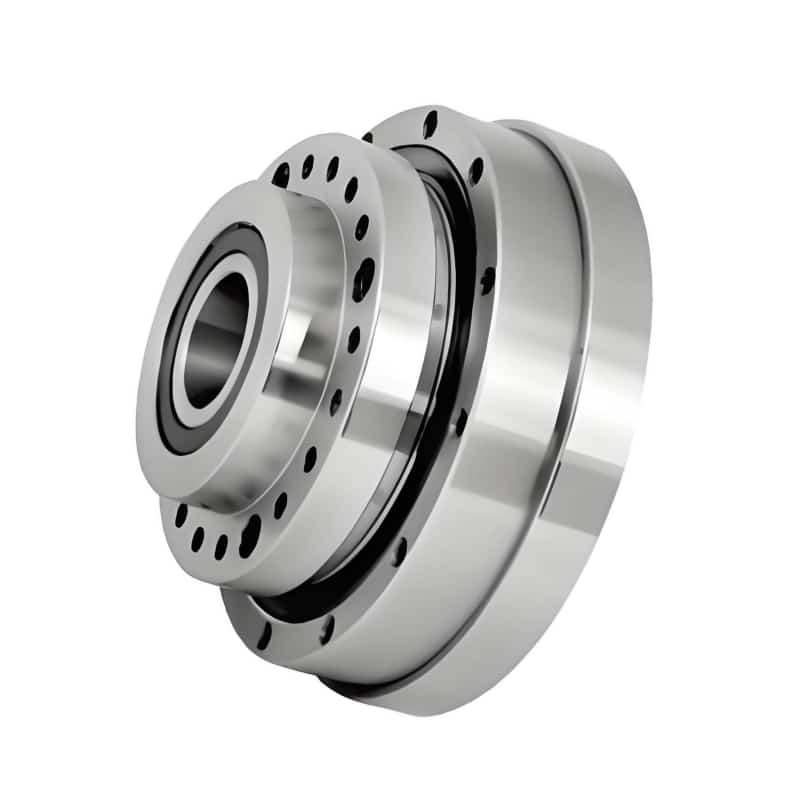
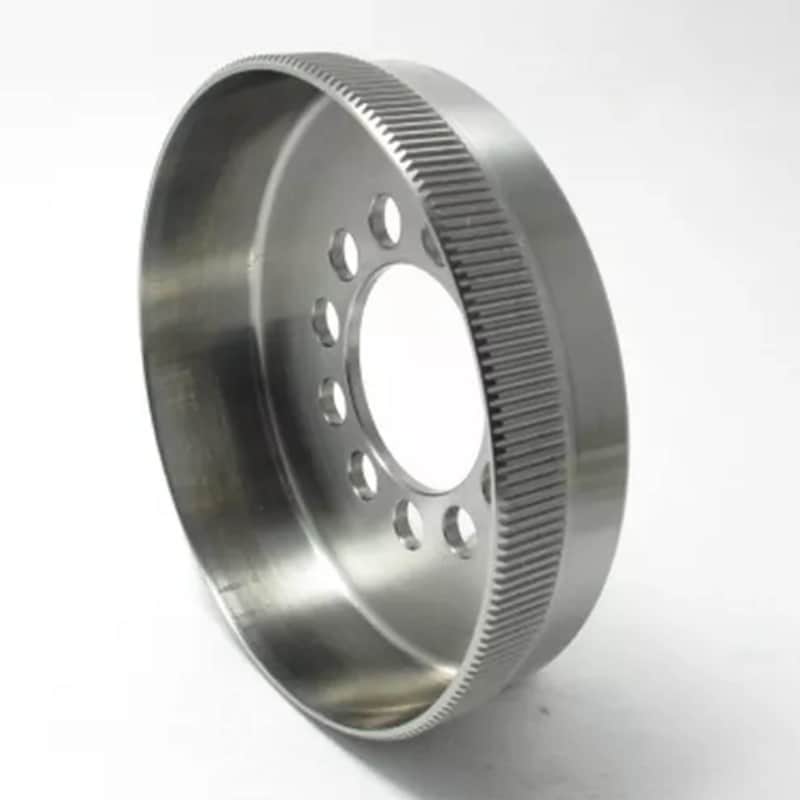
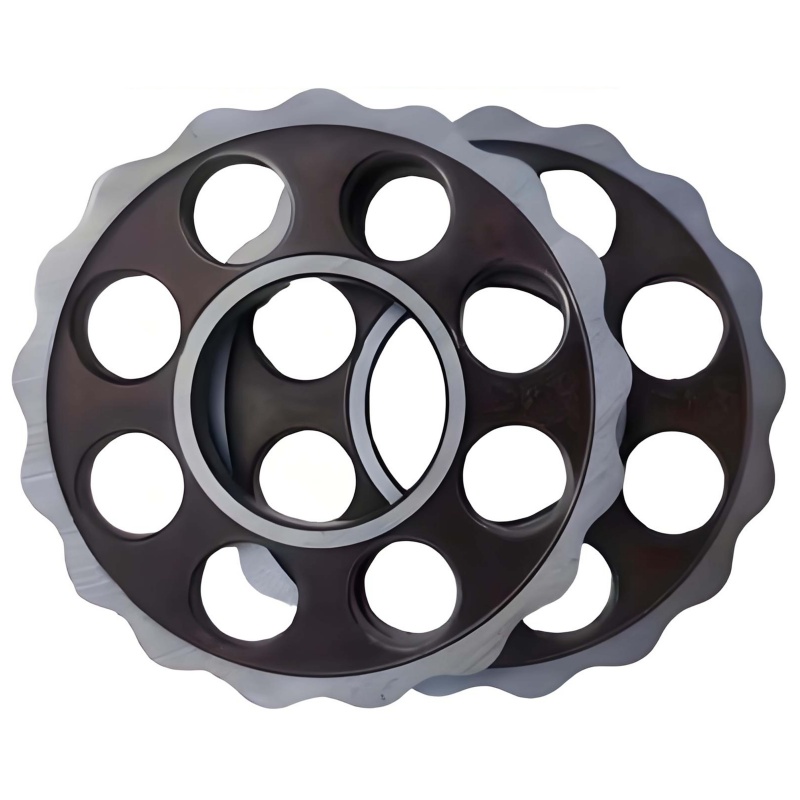
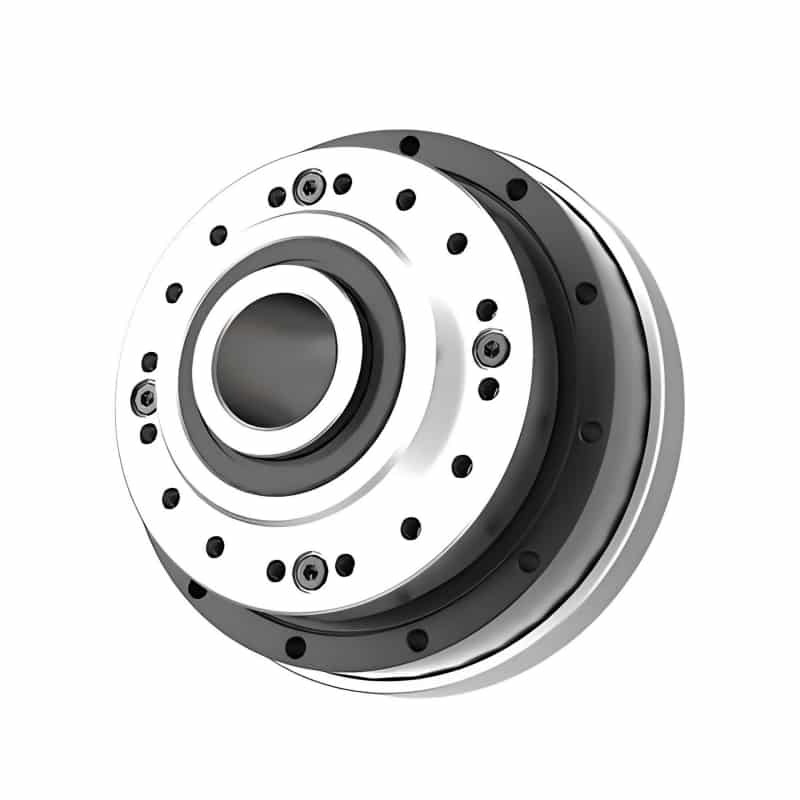
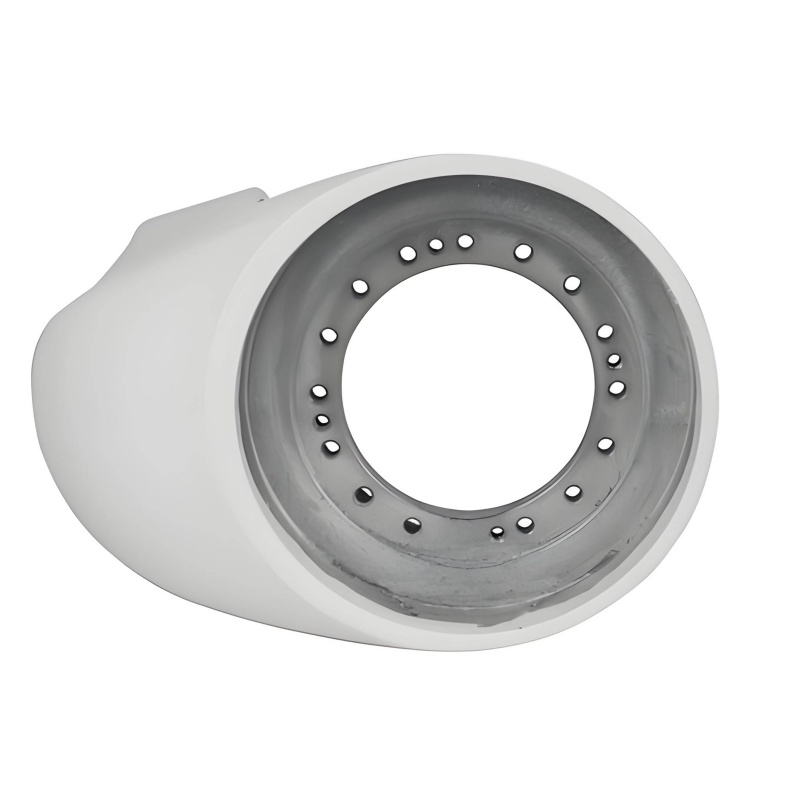
Robot Joint Housings & Gearbox Shells: Enclose and protect delicate harmonic reducers, cycloidal drives, frameless motors, and optical encoders while maintaining strict axial alignment.
-
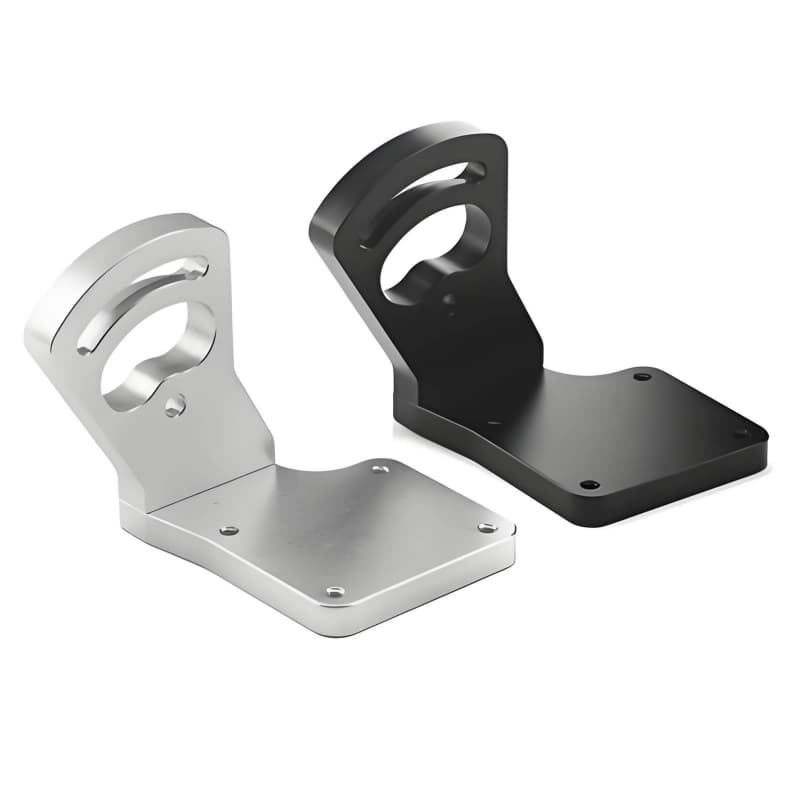
Base Plates & Mounting Frames: Provide structural rigidity and shock absorption, serving as the load-bearing foundation that handles sudden deceleration forces.
-
Arm Linkages & Structural Segments: Engineered via 5-axis lightweighting strategies such as pocketing and topology optimization using high-strength aluminum alloys (7075-T6) or aerospace-grade titanium.
-
End-Effectors & Custom Gripper Mounts: Highly specialized, low-volume components designed for application-specific payload handling and tool changing mechanisms.
Technical Deep Dive: Mastery in Robot Joint Housing CNC Machining
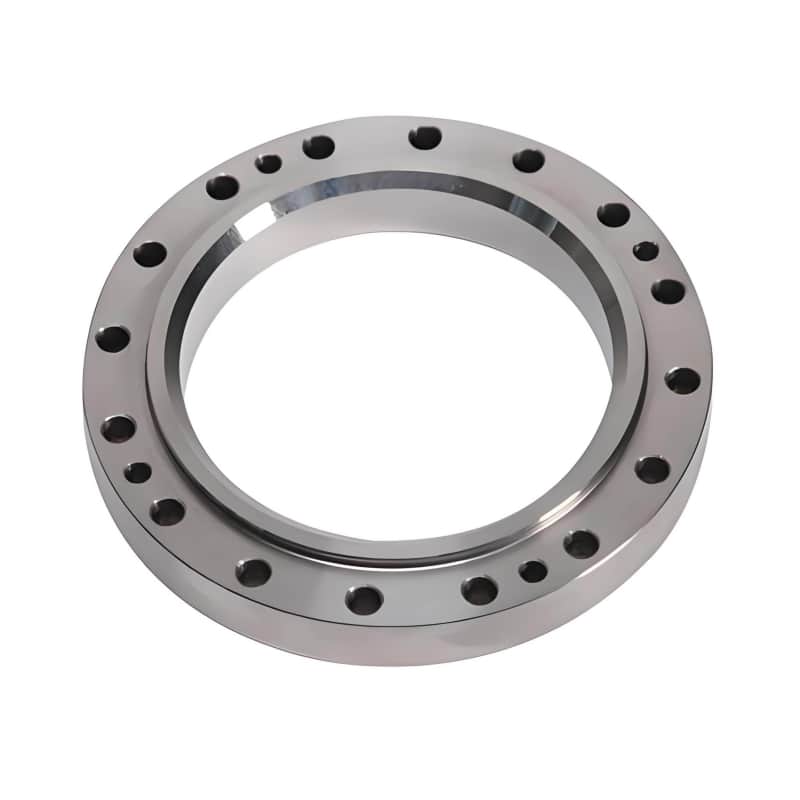
The joint housing is arguably the most geometrically complex component in a multi-axis robot arm. It integrates motor stator seats, bearing seats, internal cable passages, and reducer mounting flanges into a single compact enclosure.
Executing robot joint housing CNC machining with repeatable quality requires overcoming strict manufacturing challenges:
-
Strict Coaxiality & Concentricity Control: To avoid gearbox binding, high acoustic noise, and premature harmonic drive wear, bearing bores and motor registers require concentricity tolerances maintained within ±0.005 mm to ±0.008 mm.
-
Thin-Wall Machining Without Stress Deformation: Joint housings feature ultra-thin wall profiles to minimize rotating mass. Advanced 5-axis milling strategies, custom clamping fixtures, and high-speed stress-relief cutting techniques prevent wall flexing and thermal warping.
-
Integrated Thermal Management: CNC-milled cooling fins and heat-sink geometries can be machined directly into aluminum or magnesium housings to dissipate motor heat during continuous duty cycles.
-
Multi-Angle Feature Alignment in a Single Setup: Utilizing 5-axis simultaneous CNC machining allows for complex internal wireways, angled mounting holes, and seal grooves to be completed in one holding setup, eliminating cumulative fixture alignment errors.
Key Technical Capabilities for Custom Robot Joint Housings
| Parameter / Feature | Standard Specification | High-Precision Custom Capability |
| Primary Materials | Al 6061-T6, Al 7075-T6 | Stainless Steel 304/316L, 17-4PH, Titanium Ti-6Al-4V, PEEK |
| Bore Roundness & Fit | ISO H7 (±0.012 mm) | Up to ±0.003 mm (Precision Boring & Honing) |
| Positioning Accuracy | ±0.015 mm | ±0.005 mm (Simultaneous 5-Axis Milling) |
| Surface Finish (Ra) | Ra 1.6 μm | Ra 0.4 μm – Ra 0.8 μm (Critical Sealing / Bearing Surfaces) |
| Surface Treatments | Type II / Type III Hard Anodize | Electroless Nickel Plating, Passivation, Powder Coating |
Non-Standard Custom Manufacturing Excellence
Every robotics project comes with unique kinematic requirements, spatial constraints, and payload ratios. As a dedicated provider of non-standard custom precision CNC machining, we bridge the gap between design engineering and physical hardware:
-
Prototyping to High-Mix Scalable Production: Flexible capacity designed for rapid prototyping (1–5 units) up to full-scale batch production without sacrificing precision.
-
Design for Manufacturability (DFM) Consultation: Engineering review of CAD models before machining to optimize tool paths, minimize setup changes, and reduce unit costs while respecting GD&T callouts.
-
Rigorous Quality Assurance & Traceability: Full 3D CMM dimensional inspection reports, raw material test certificates (MTC), and critical feature measurement sheets provided with every robot joint housing CNC machining batch.
Empower Your Robotics Innovation
Whether you are designing humanoid joint modules, high-speed SCARA robots, or custom industrial manipulators, non-standard precision CNC machining provides the exact tolerances your motion control requires. Send your CAD files (.STEP / .IGS) and technical drawings to our engineering team today for a rapid DFM feedback session and competitive quote.